忘れ得ぬニューヨーク物語: 1940 年代の日本人と日系アメリカ人

Reflecting on the 80th Anniversary of the end of World War II, his digital exhibit tells the lesser-known stories of Issei and Nisei artists, journalists, writers, activists, social workers, and educators who lived and worked in New York during the war. Explore the exhibit and learn about a facet of history that has been relatively unknown up until this point.
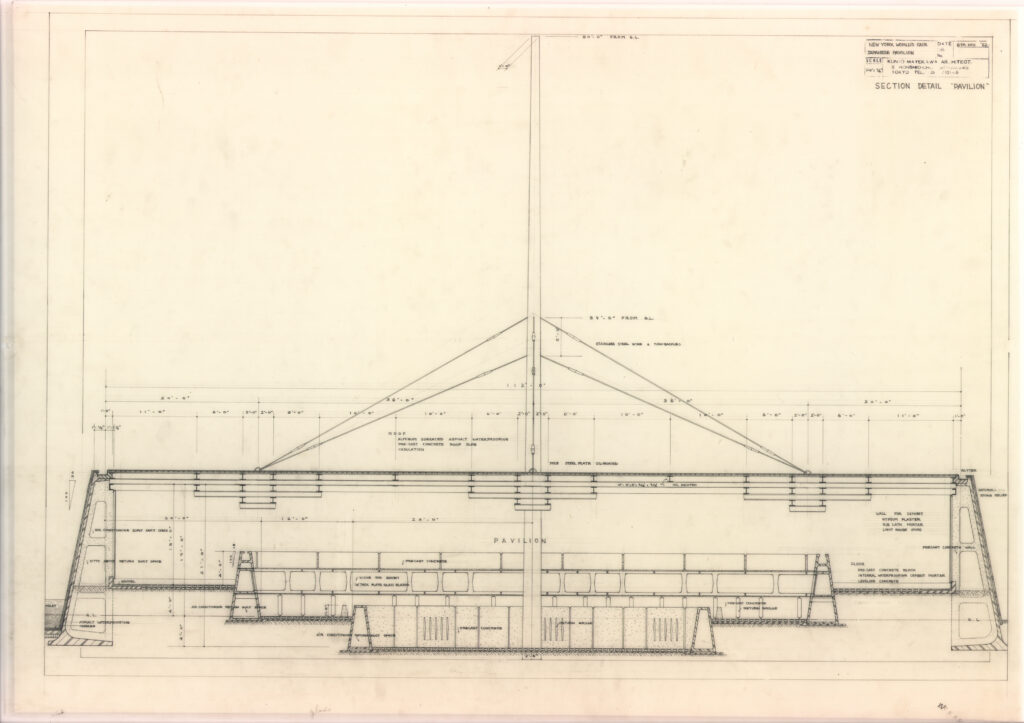
Exhibiting JAPAN: The Japan Pavilions at the New York World's Fairs in 1939-1940 and 1964-1965
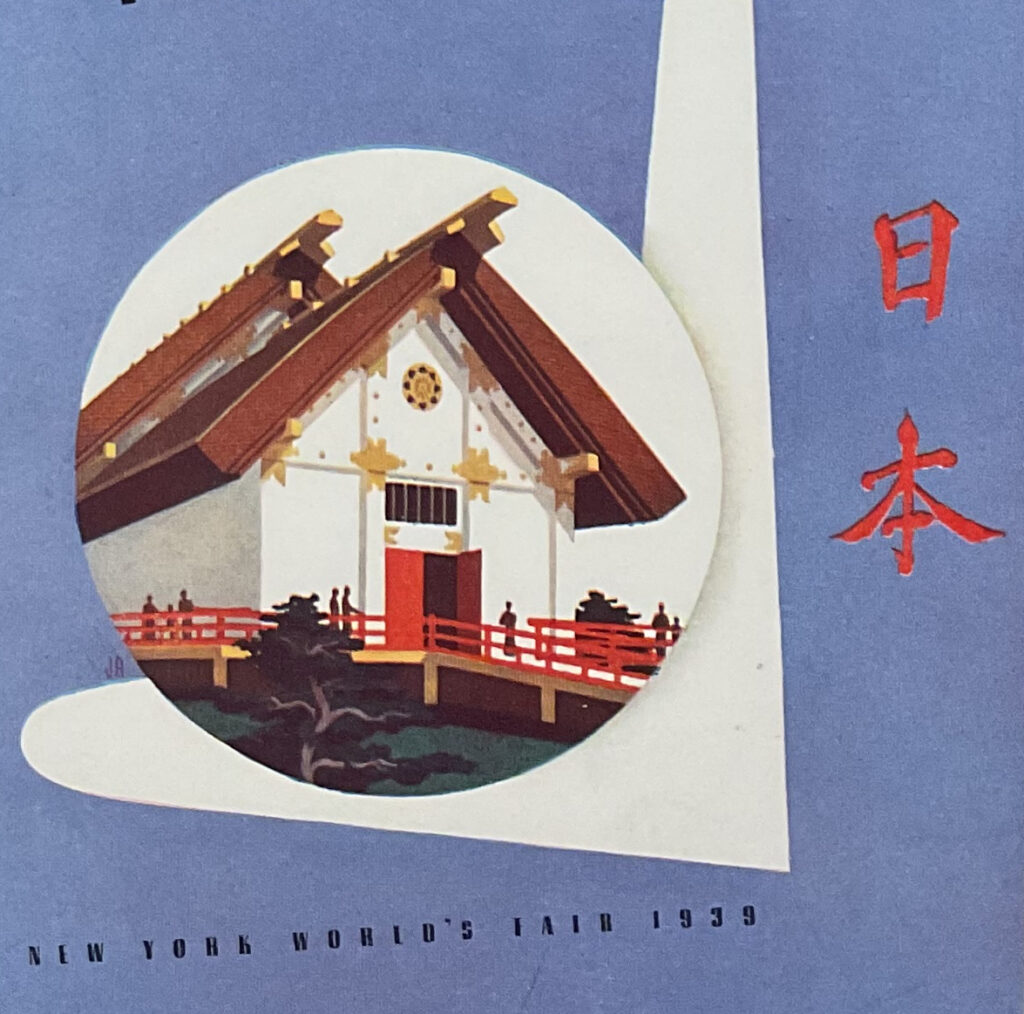
Lecture on Exhibiting Japan in Mid-Century New York by Dr. Angus Lockyer, Rhode Island School of Design
In this lecture, historian Angus Lockyer examines Japan’s participation in the 1939–40 and 1964–65 New York World’s Fairs. He explores how Japan’s pavilions and exhibitions combined traditional culture with modern achievement while responding to the very different diplomatic circumstances of the prewar and postwar periods. Placing the Japanese exhibits within the broader history of international expositions, Flushing Meadows, and New York City, Lockyer shows how government officials, exhibitors, and the Japanese community used the fairs to present Japan to Western audiences and navigate a turbulent century. Angus Lockyer is a historian of Japan, East Asia, and global history. He is the author of Exhibitionist Japan: The Spectacle of Modern Development […]
Afterword
JAPAN IN NEW YORK, 1964–65
JAPAN IN NEW YORK, 1939–40
Exhibiting Japan
Kōsaku Yamada at Carnegie Hall
Kōsaku Yamada The First Japanese Conductor at Carnegie Hall Kōsaku Yamada, approximately 1915–1920. Photograph published by the Bain News Service. George Grantham Bain Collection, Prints and Photographs Division, Library of Congress, LC-DIG-ggbain-27699. In 1918 and 1919, Kōsaku Yamada (Yamada Kōsaku; 1886–1965) conducted two programs of his compositions at Carnegie Hall. Carnegie Hall identifies him as the first Japanese conductor to appear there. The concerts introduced U.S. audiences to a Japanese composer working within European-derived orchestral traditions. They were also shaped by wartime diplomacy and by expectations that Japanese artists should represent an identifiable and culturally distinct “Japan.” Yamada’s reception in New York reveals both the possibilities and the limitations of […]
Masayuki Nagare and the New York World’s Fair (1964–65)
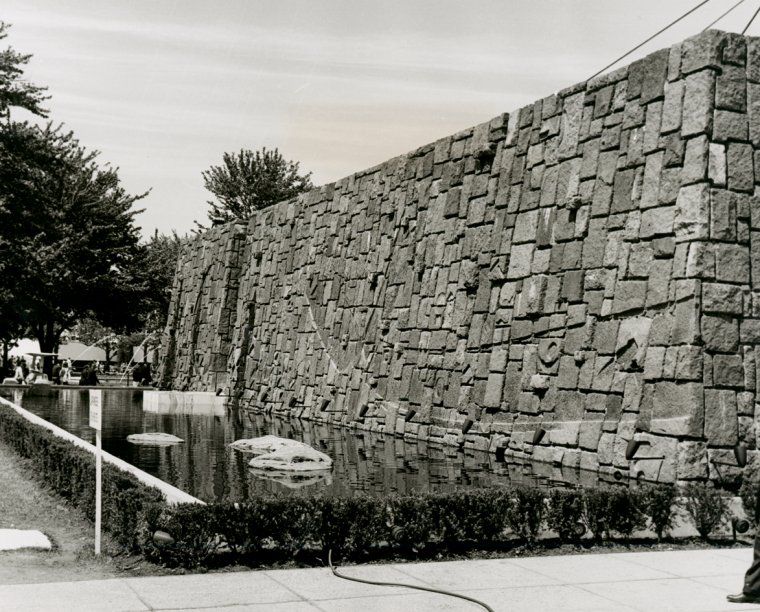
Mayekawa Kunio and the New York World’s Fair (1964–65)