Ayako Ishigaki (1903–1996)
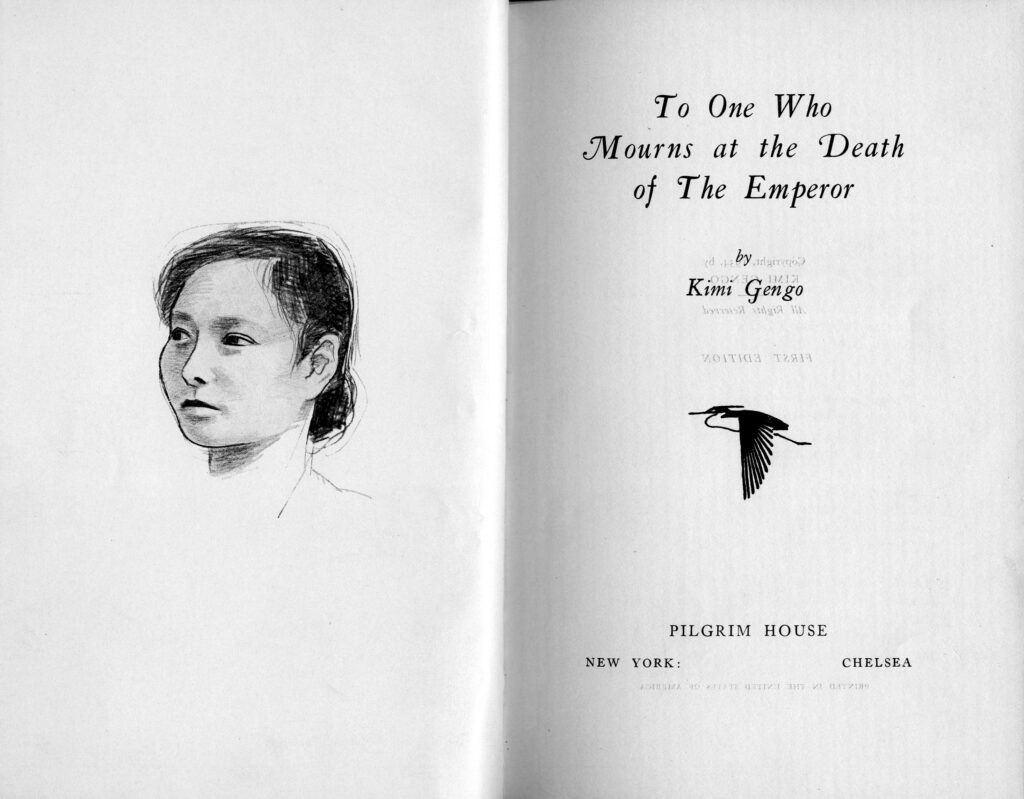
Kimi Gengo Tagawa (1903–1987)
Jimmy Tsutomu Mirikitani (1920–2012)

This exhibit is currently under construction!
Issei
ISSEI Portraits Of The First-Generation Japanese New Yorkers Created in 1980 by Japanese photographer Hiroyuki “Tora” Inoue, these portraits capture New York’s Issei, the first generation of Japanese immigrants whose lives helped shape the city’s Japanese community but often remained unseen. Nearly forty-five years later, most of this remarkable body of work is now brought together in this digital exhibition. Hiroyuki Inoue (left) and Teruho Saito (right) at the original ISSEI exhibition at JAA in 1980 Inoue passed away in 2024, and many of the individuals in these photographs remain unidentified. By exhibiting the portraits and interview notes together, this ongoing participatory project invites family members, descendants, community members, researchers, […]
Kinichi Iwamoto (1895–1994)
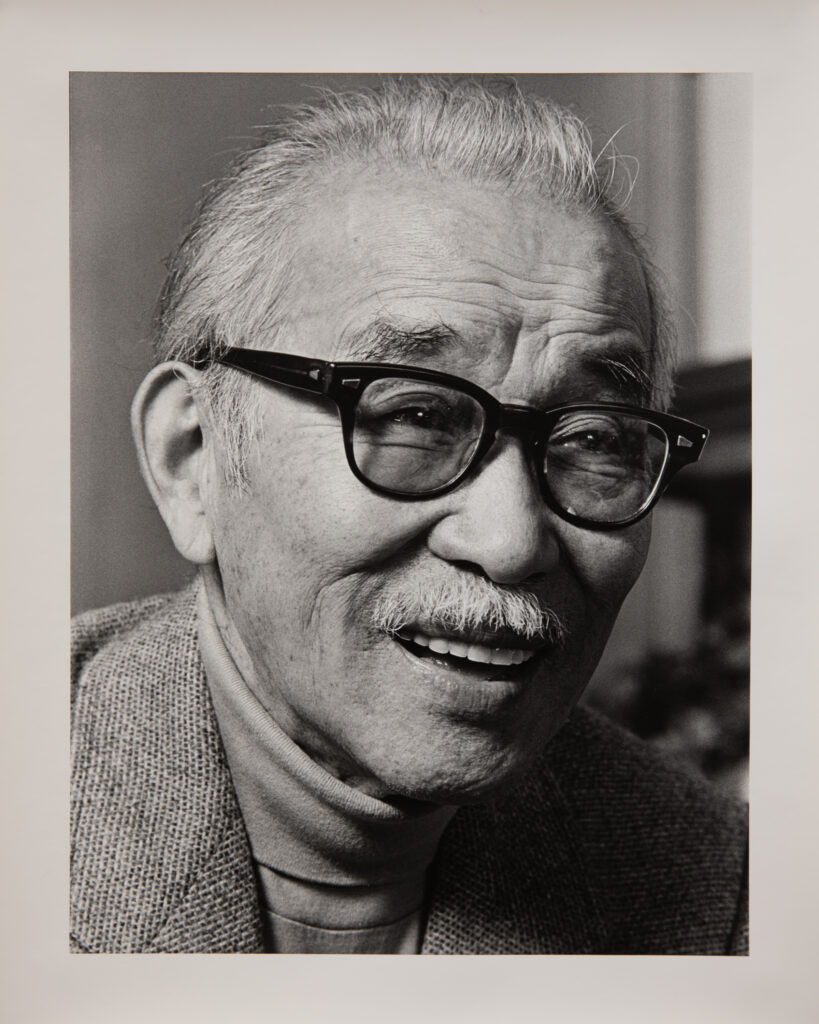
Gensuke Yoshida (1897–1984)
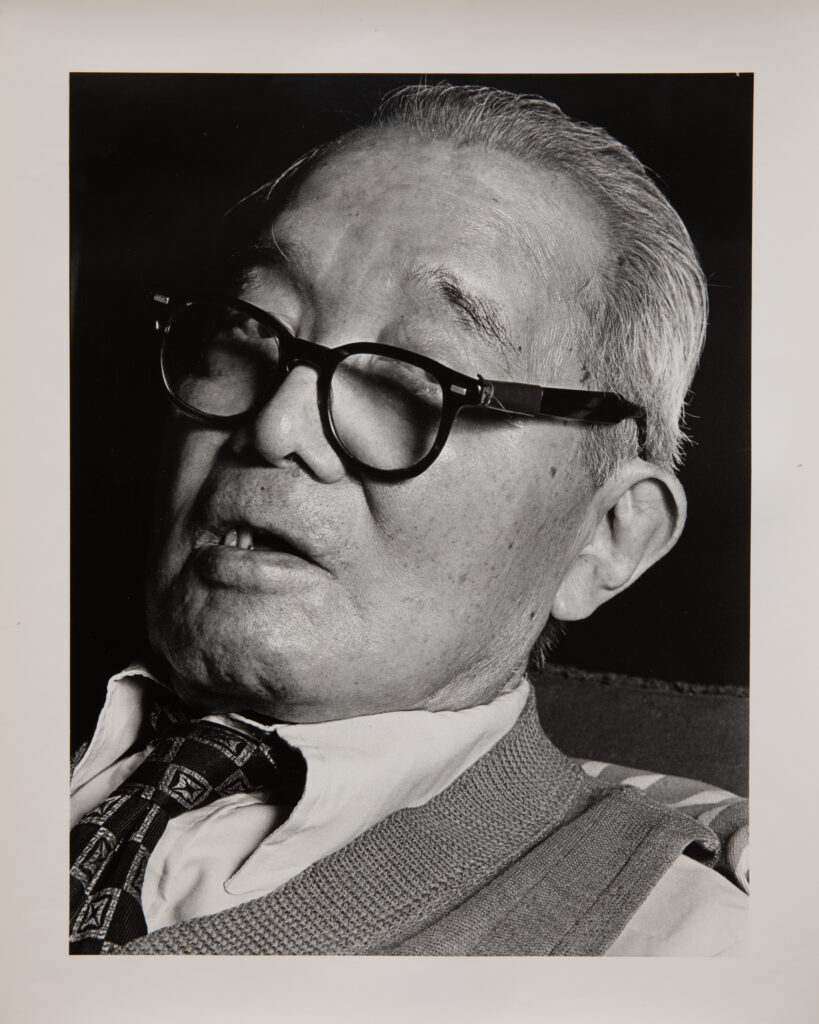
Haru Kishi (1904–2002)
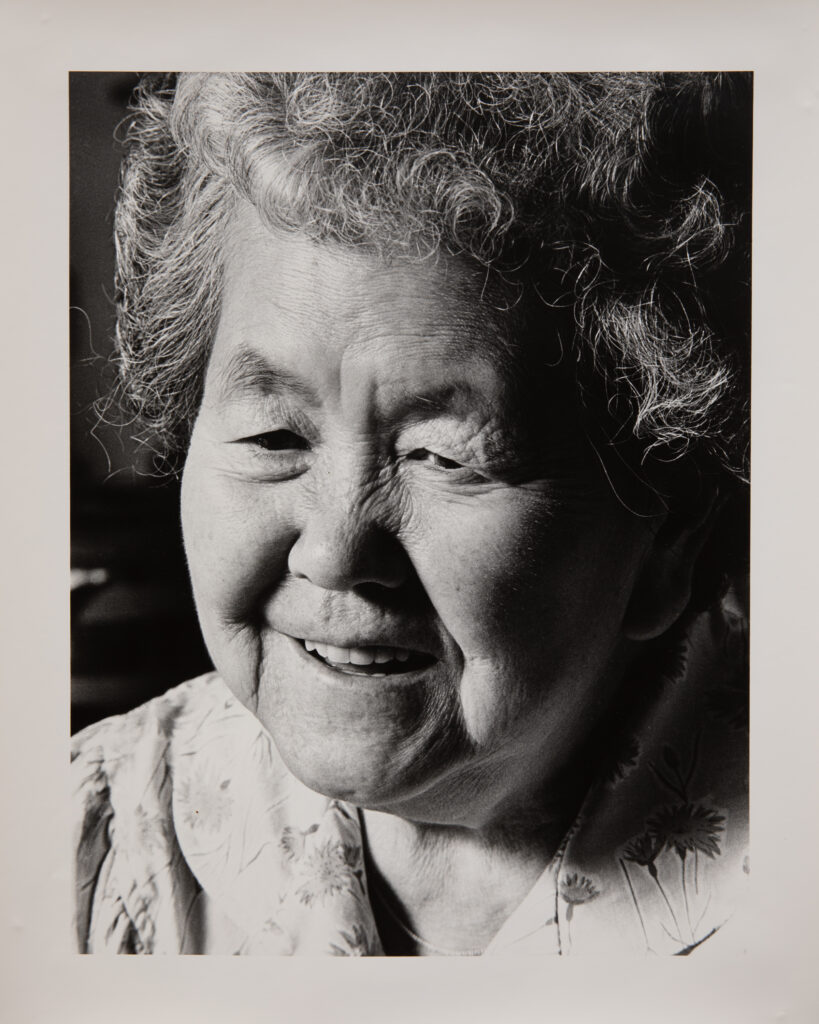
Ippei Shimizu (1899–1985)
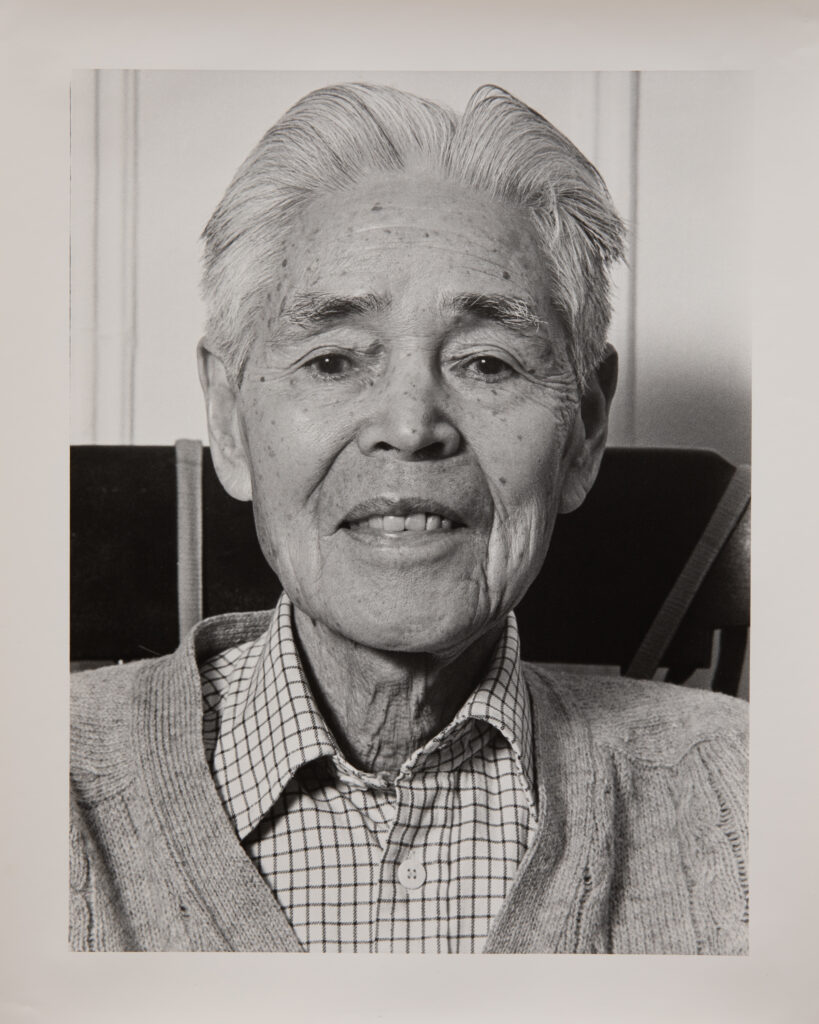
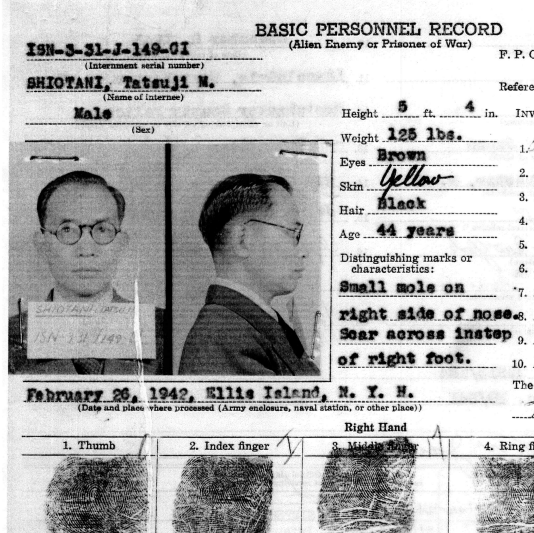
Tatsuji Shiotani (1897–1995)