Exhibiting Japan in Mid-Century New York
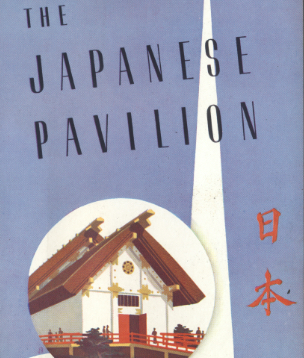
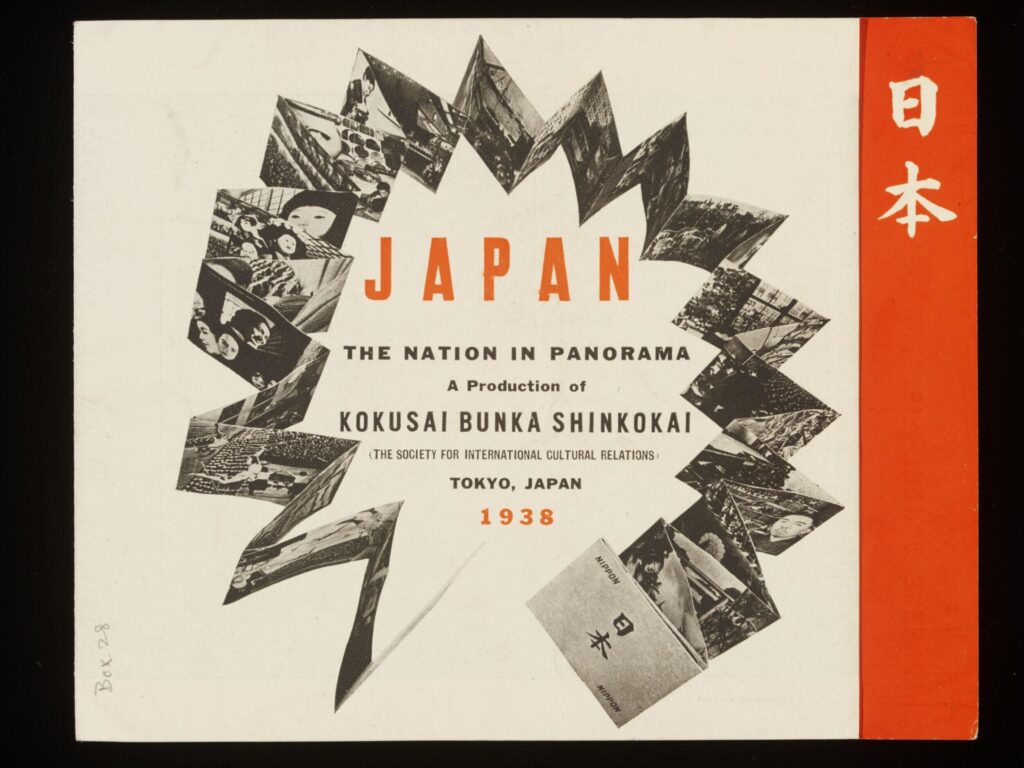
This event will be held at JAA New York. Register for the in person attendance here, and Zoom attendance here! Japan’s participation in New York’s two world’s fairs came in the middle of a century and a half of enthusiasm for expos, which continues today. In both 1939-40 and 1964-65, the Japanese pavilions and exhibits drew on this long experience. They combined traditional culture and modern achievement to appeal to Western audiences, while also trying to answer the diplomatic needs of two very different moments in Japan’s relationship with the West. They were only one of many attractions on site, however, while Flushing Meadows itself was one of many ways […]
Afterword
JAPAN IN NEW YORK, 1964–65
JAPAN IN NEW YORK, 1939–40
Exhibiting Japan
Kōsaku Yamada at Carnegie Hall
Kōsaku Yamada: The First Japanese Conductor at Carnegie Hall This digital exhibit, presented by the Digital Museum of the History of Japanese in New York (DMHJNY) in collaboration with Carnegie Hall, revisits Yamada’s time in New York and his pivotal Carnegie Hall appearances of 1918–1919. This event forms part of Carnegie Hall’s Spotlight on Japan. Prelude In November 1918, composer Kōsaku Yamada (1886–1965) (山田耕筰) arrived in New York City—then emerging as the cultural capital of a new postwar world. Within months, he made history as the first Japanese musician to conduct and perform his own works at Carnegie Hall, introducing American audiences to a distinctly modern vision of Japanese music. […]
Masayuki Nagare and the New York World’s Fair
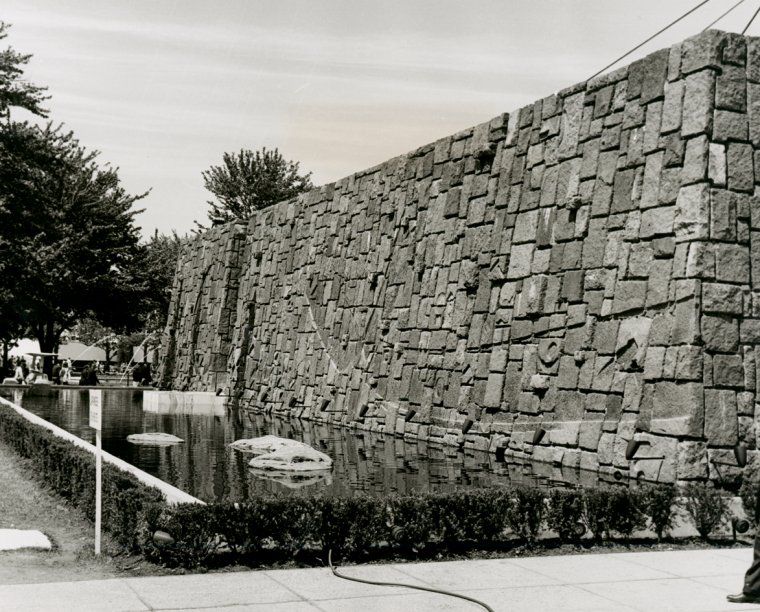
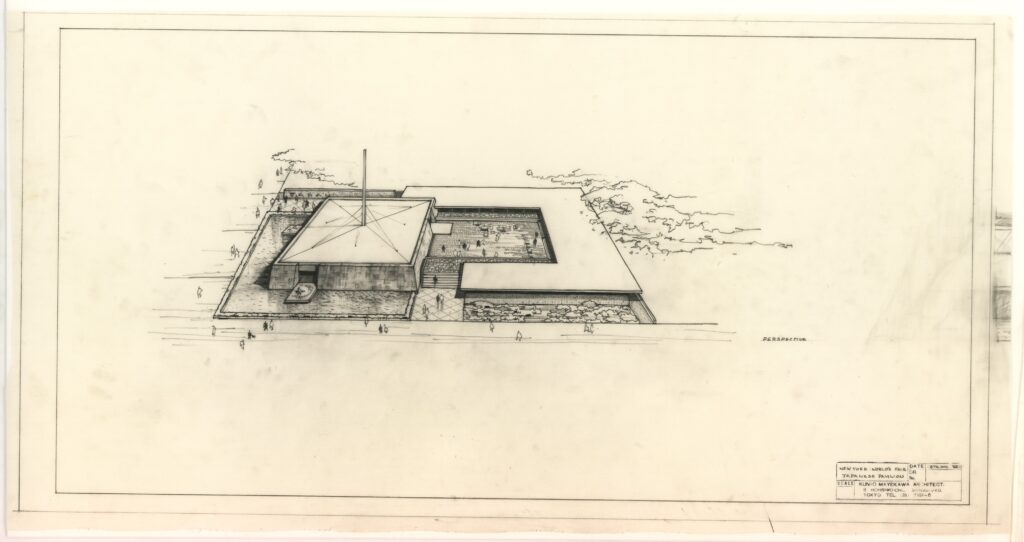
Mayekawa Kunio: Lead Architect of the Japan Pavilion, 1964–65 New York World’s Fair
Domon Ken – Photographer of Modern Japan
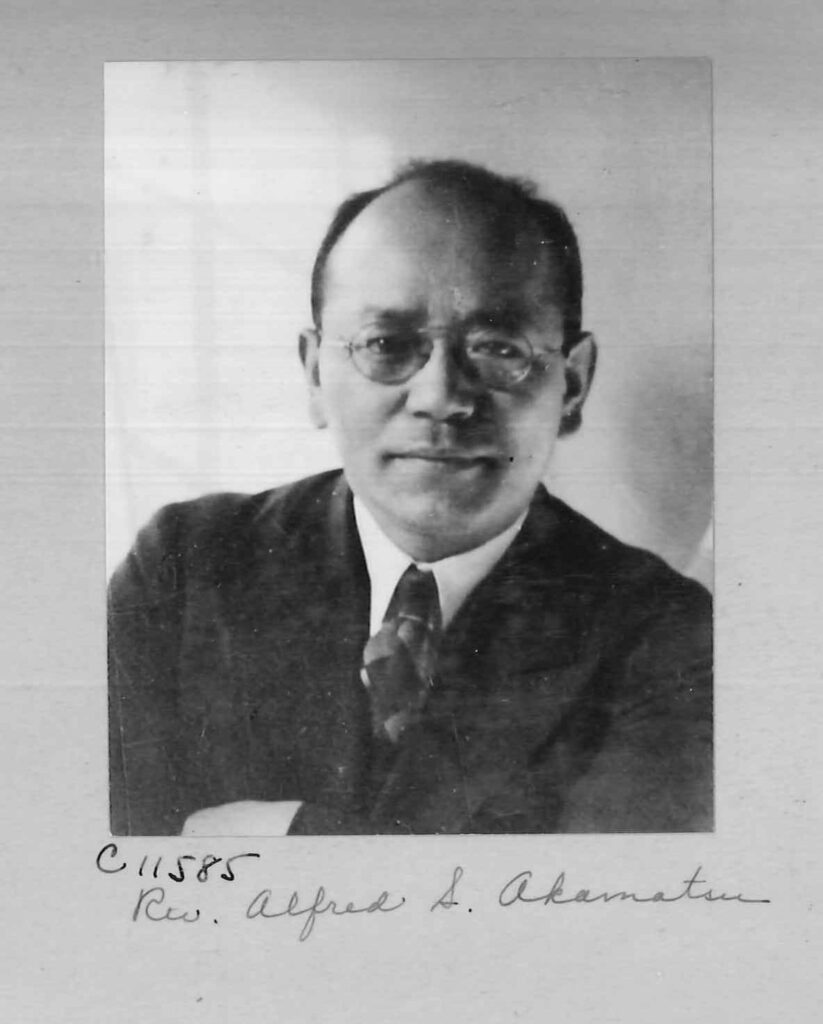
Rev. Alfred Saburō Akamatsu: Pastor and Community Leader