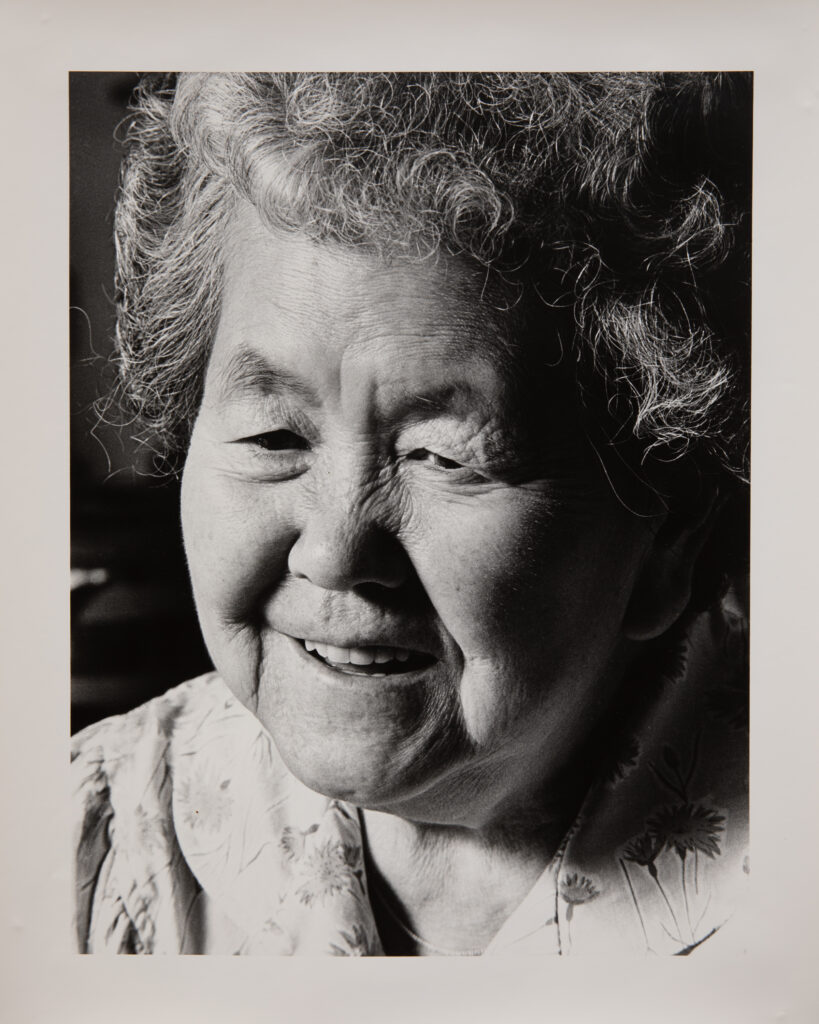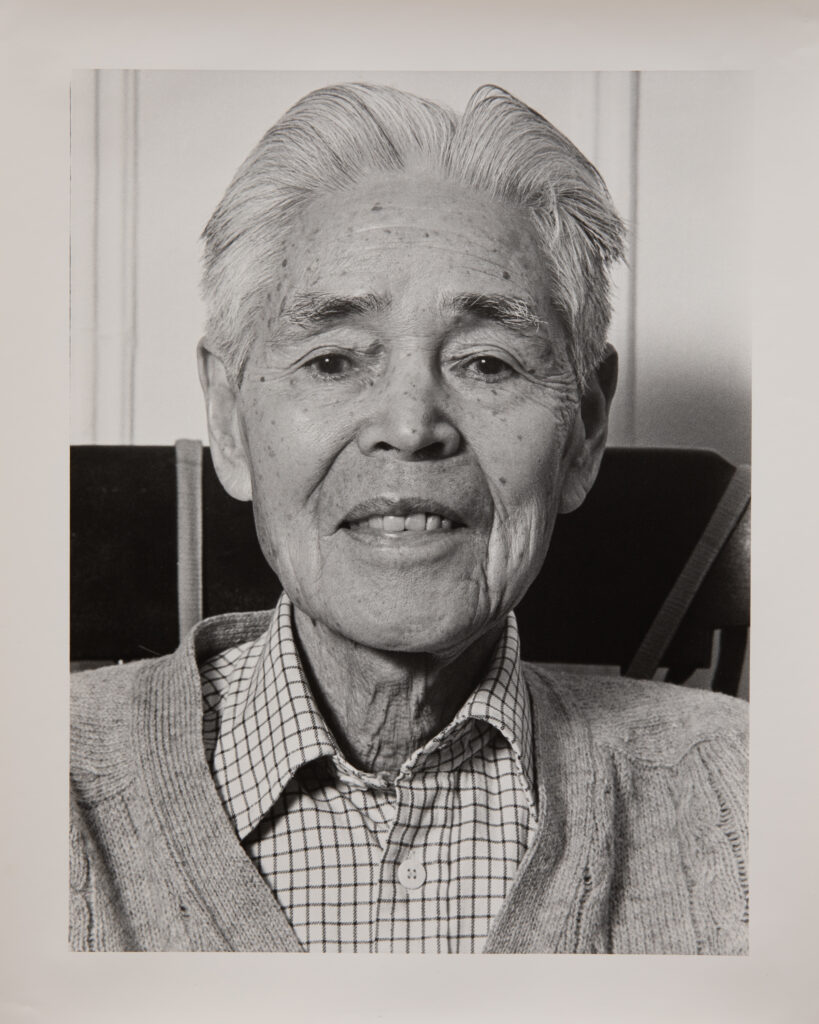
Harry York
Rutgers Meets Japan: A Trans-Pacific Network of the Late Nineteenth Century

Rutgers Meets Japan: A Trans-Pacific Network of the Late Nineteenth Century is an online exhibit curated by Dr. Haruko Wakabayashi and presented by the American Buddhist Study Center, in collaboration with the Digital Museum of the History of Japanese in New York. Supported by the New Jersey Historical Commission, the exhibit explores the early connections […]
– Coming Soon – Portraits of ISSEI

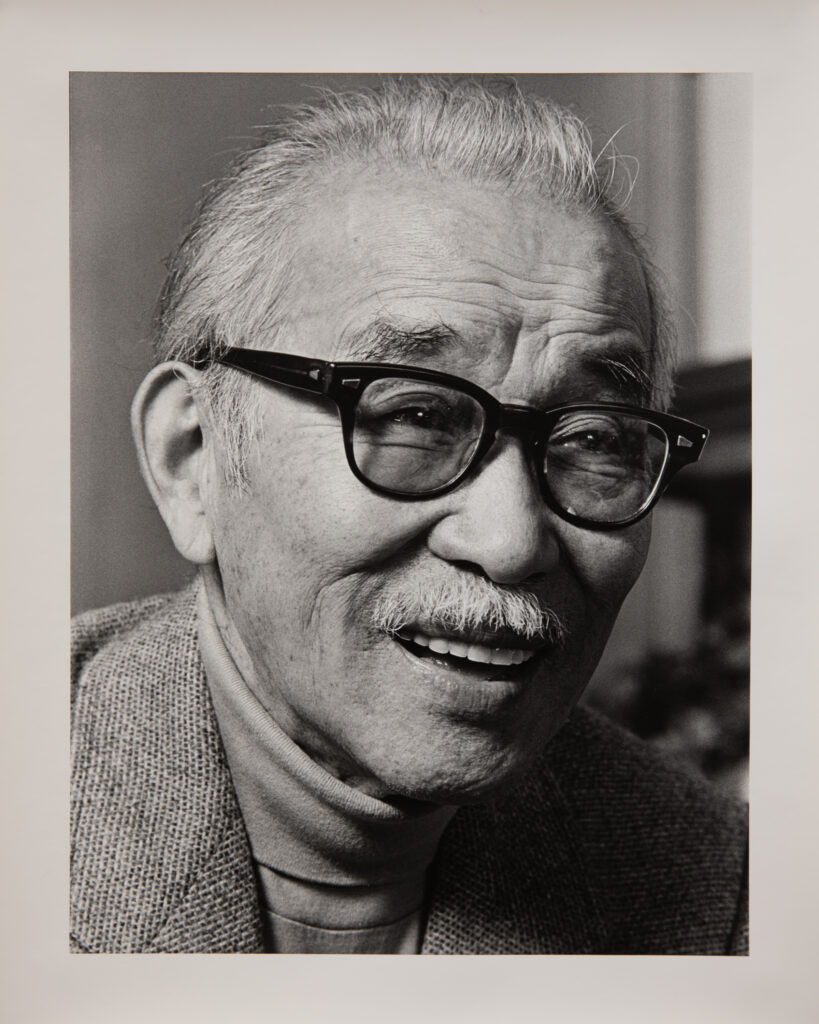
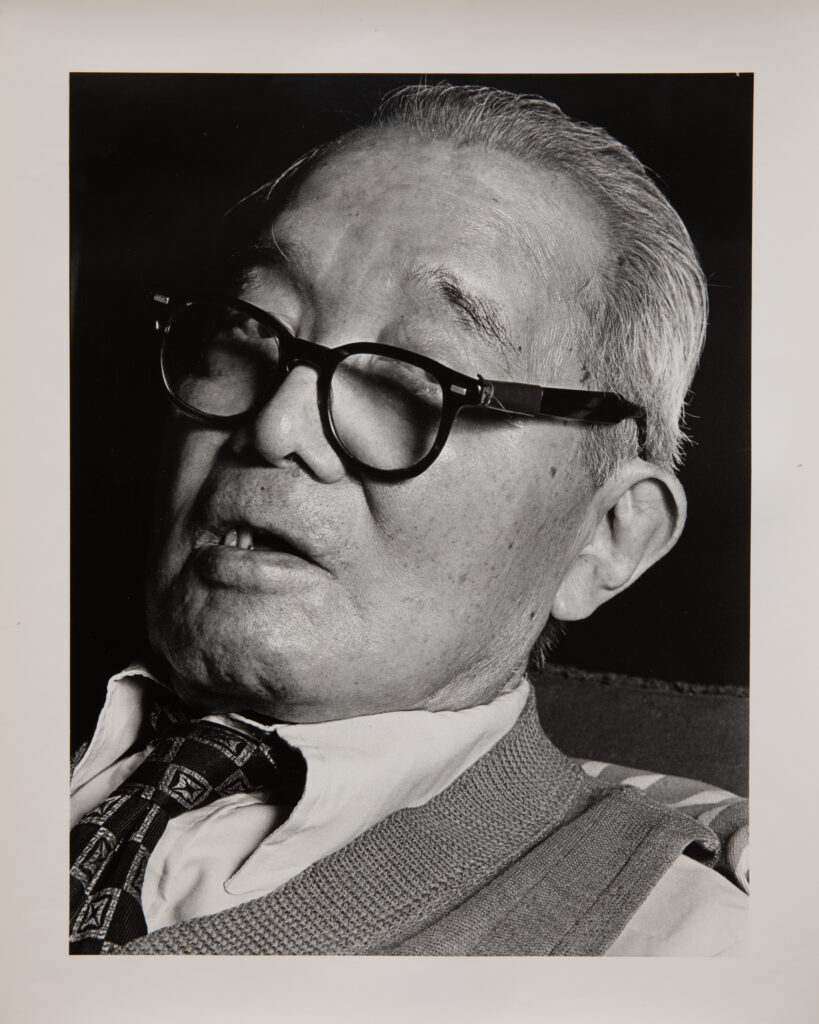
ISSEI: Portraits of Japanese Immigrants in New York is a participatory online exhibition based on portrait photographs taken by Hiroyuki “Tora” Inoue around 1980, with interviews conducted by Teruho Saito. The project brings together the faces and life stories of first-generation Japanese immigrants who lived through major historical changes while building their lives in New […]
Issei

PORTRAITS OF THE FIRST-GENERATION JAPANESE NEW YORKERS Photo: Hiroyuki Inoue (left) and Teruho Saito (right) at the first exhibition at JAA in 1980 In 1980, Hiroyuki “Tora” Inoue was a professional Japanese photographer in his early thirties, building a successful career in New York’s fashion and commercial photography world. His work appeared in major fashion […]
Yoshiko Uchida
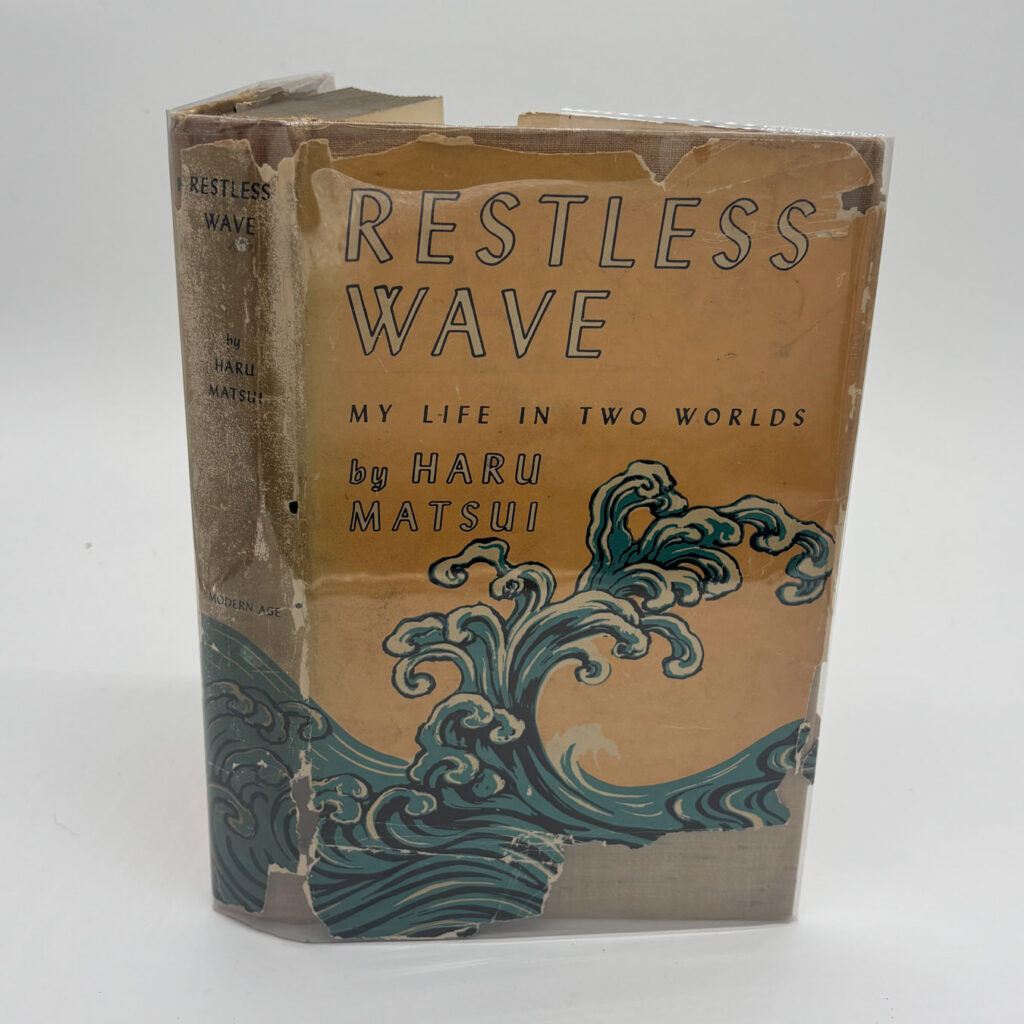
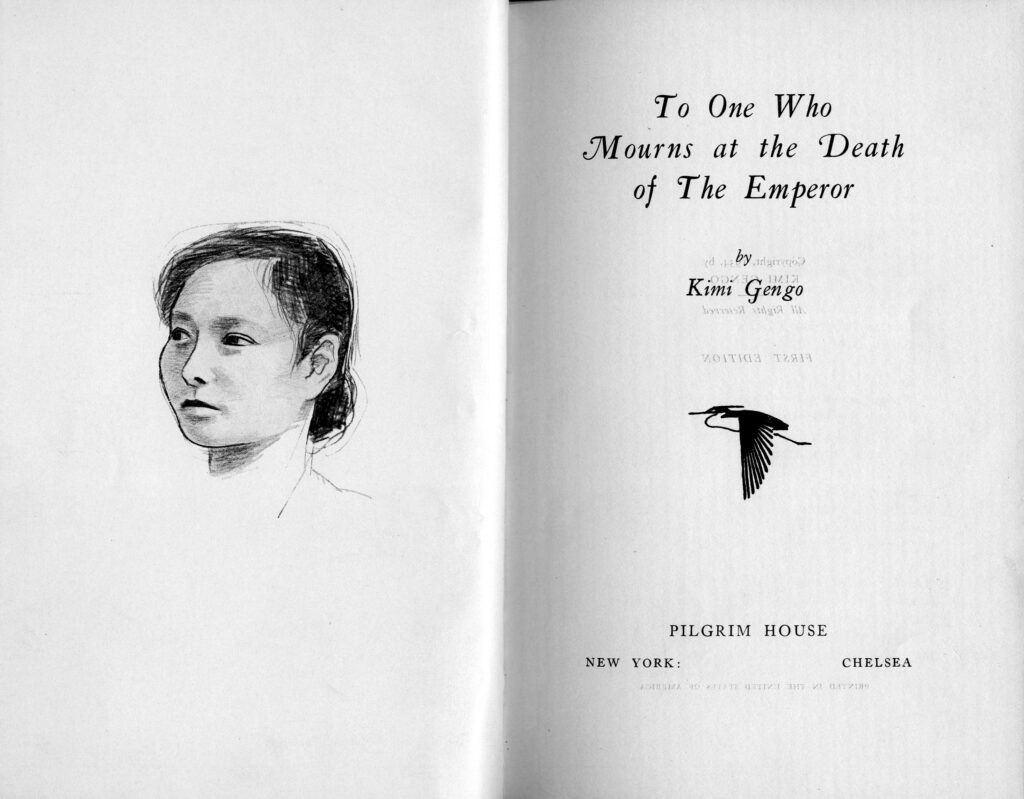
Unforgotten New York Stories: Japanese and Japanese Americans in the 1940s

Reflecting on the 80th Anniversary of the end of World War II, his digital exhibit tells the lesser-known stories of Issei and Nisei artists, journalists, writers, activists, social workers, and educators who lived and worked in New York during the war. Explore the exhibit and learn about a facet of history that has been relatively unknown up until this point.
Exhibiting JAPAN: The Japan Pavilions at the New York World's Fairs in 1939-1940 and 1964-1965
Exhibiting Japan in Mid-Century New York

Watch the event recording here! This event was held at JAA New York. Japan’s participation in New York’s two world’s fairs came in the middle of a century and a half of enthusiasm for expos, which continues today. In both 1939-40 and 1964-65, the Japanese pavilions and exhibits drew on this long experience. They combined […]