
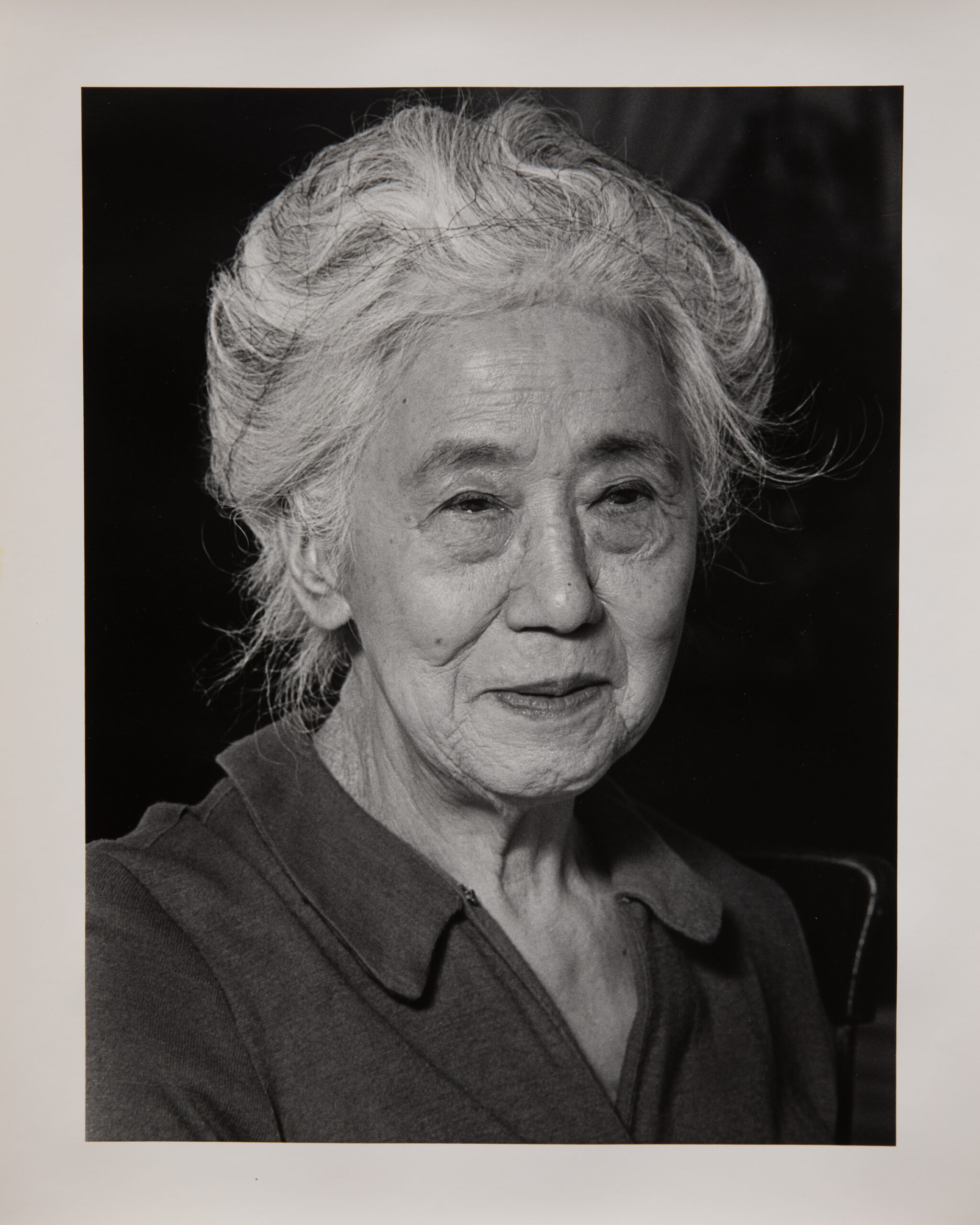
Kyoko Takeda was an Issei woman whose life reflected the experiences of immigration, widowhood, and domestic labor in New York. Born in Aichi Prefecture in 1898, she immigrated to the United States in 1918. During the voyage, she suffered from severe seasickness and was unable to eat for much of the journey.
Takeda established a family life in the United States. She returned to Japan once, in 1927, but otherwise remained in America for the rest of her adult life. After her husband died following complications from surgery, relatives encouraged her to return to Japan with her children. Takeda decided instead to remain in the United States, believing that she should support herself rather than depend upon relatives in Japan.
Following her husband’s death, Takeda worked as a lady’s maid for a wealthy American household associated with the family credited with the invention of the typewriter. She entered domestic service during the Great Depression, when employment and adequate wages were difficult to secure. Takeda recalled that, at a time when many male workers earned less than forty dollars a month, the family employed her for 110 dollars a month and treated her as a member of the household rather than simply as a servant.
Domestic service was an important source of employment for many Japanese immigrant women, but it could also leave workers isolated and vulnerable. Takeda had not attended school in the United States and faced difficulties because of her limited English. She sometimes relied on employment arrangements connected to Japanese cooks, butlers, and other domestic workers already serving in private households. Her recollections also describe unwanted marriage proposals and harassment from men she encountered through these working networks.
Despite the challenges she faced after becoming a widow, Takeda continued to work and support her family in New York. By the time of her interview, she had lived in the United States for approximately sixty years. Her story documents a form of immigrant labor often absent from institutional histories: the work of Issei women who sustained themselves and their families through domestic service in private homes.
Kyoko Takeda’s recollections provide insight into the experiences of Japanese immigrant women whose lives were shaped by migration, family loss, language barriers, and paid household labor. Her history represents the many Issei women who built long lives in New York through work that was largely conducted beyond public view.
Source: Kyoko Takeda oral-history transcript, ISSEI Collection, Japanese American Association of New York Archive.