Exhibits

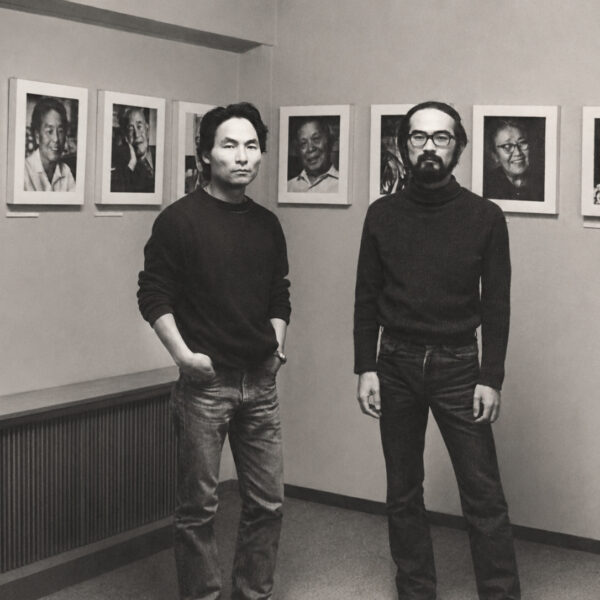
This exhibit brings together the voices of Japanese and Japanese American individuals whose lives were forever altered by the atomic bombings of Hiroshima and Nagasaki in Japan and by the broader experience of World War II as residents of New York. Some were survivors of the a-bombs, or hibakusha, who later made their way to the United States. Others experienced growing up in the internment camps and migrating to the east coast. All joined the Japanese diaspora in New York and New Jersey and have carried those histories forward.
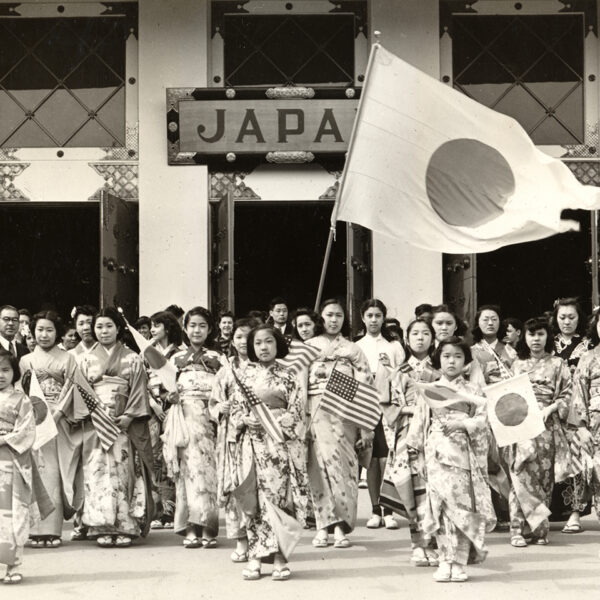
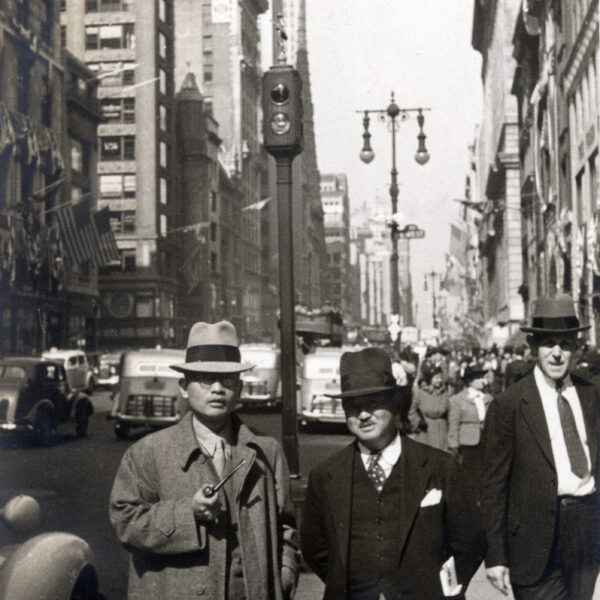
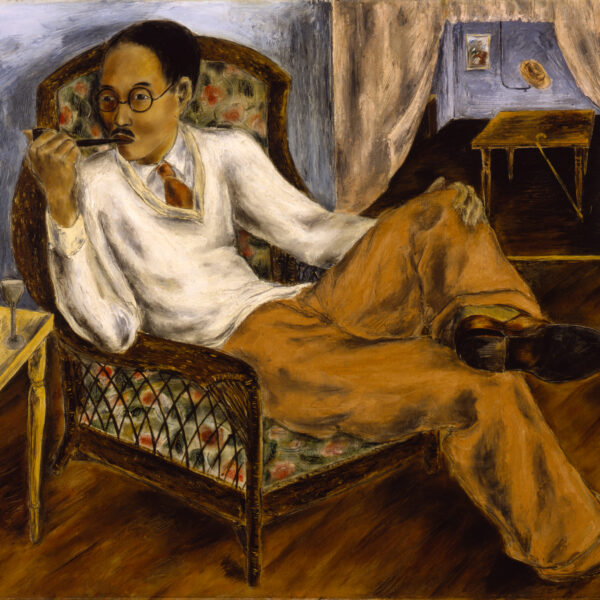
Reflecting on the 80th anniversary of the end of World War II, this digital exhibit tells the lesser-known stories of Issei and Nisei artists, journalists, writers, activists, social workers, and educators who lived in New York during the war. Exhibited materials are provided in collaboration with the Japanese American Association of New York, Lutnik Library at Haverford College, the U.S. National Archives and Records Administration, the Japanese American National Museum and co-supported by the Asian American Studies Center at UCLA and the Aratani C.A.R.E. Award.
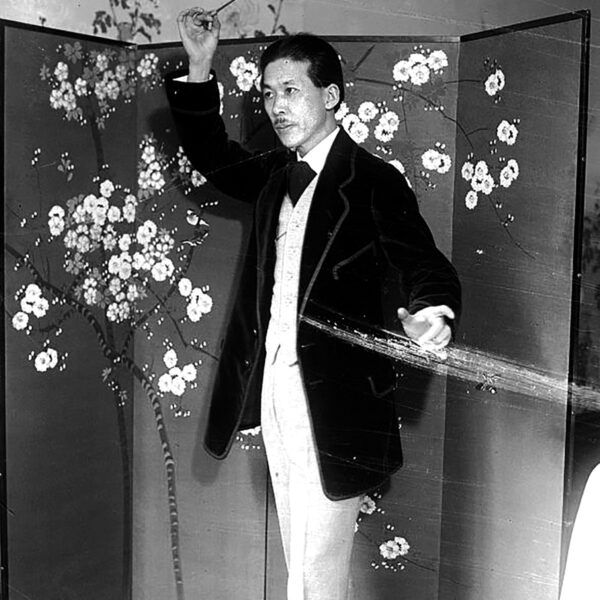
This exhibit introduces the footprints of many of these artists, spanning from the 1910s to 1940s, through images of their works, catalogs of art exhibitions, and art columns from English and Japanese newspapers. It will also explore the relationship between Japanese artists in New York and the American art scene of the time, and attempt to situate their creative endeavors in context as well as clarify the intentions of their work. Curated by Mai Sato, organized by the Digital Museum of the History of Japanese in New York.
This exhibit introduces how the first generations of nikkei (ethnic Japanese residing outside of Japan) and Japanese pioneers in Major League Baseball have overcome racial and ethnic stereotyping. They count every run-batted-in, base-gained, grueling victory and cruising defeat as a step towards equality. For nikkei, including Japanese New Yorkers, baseball has served to reinforce their cultural assimilation and pride in their Japanese heritage. The cultural shifts on the diamond often reflect the shifting definitions of Japanese American identity. Organized by the Digital Museum of the History of Japanese in New York.