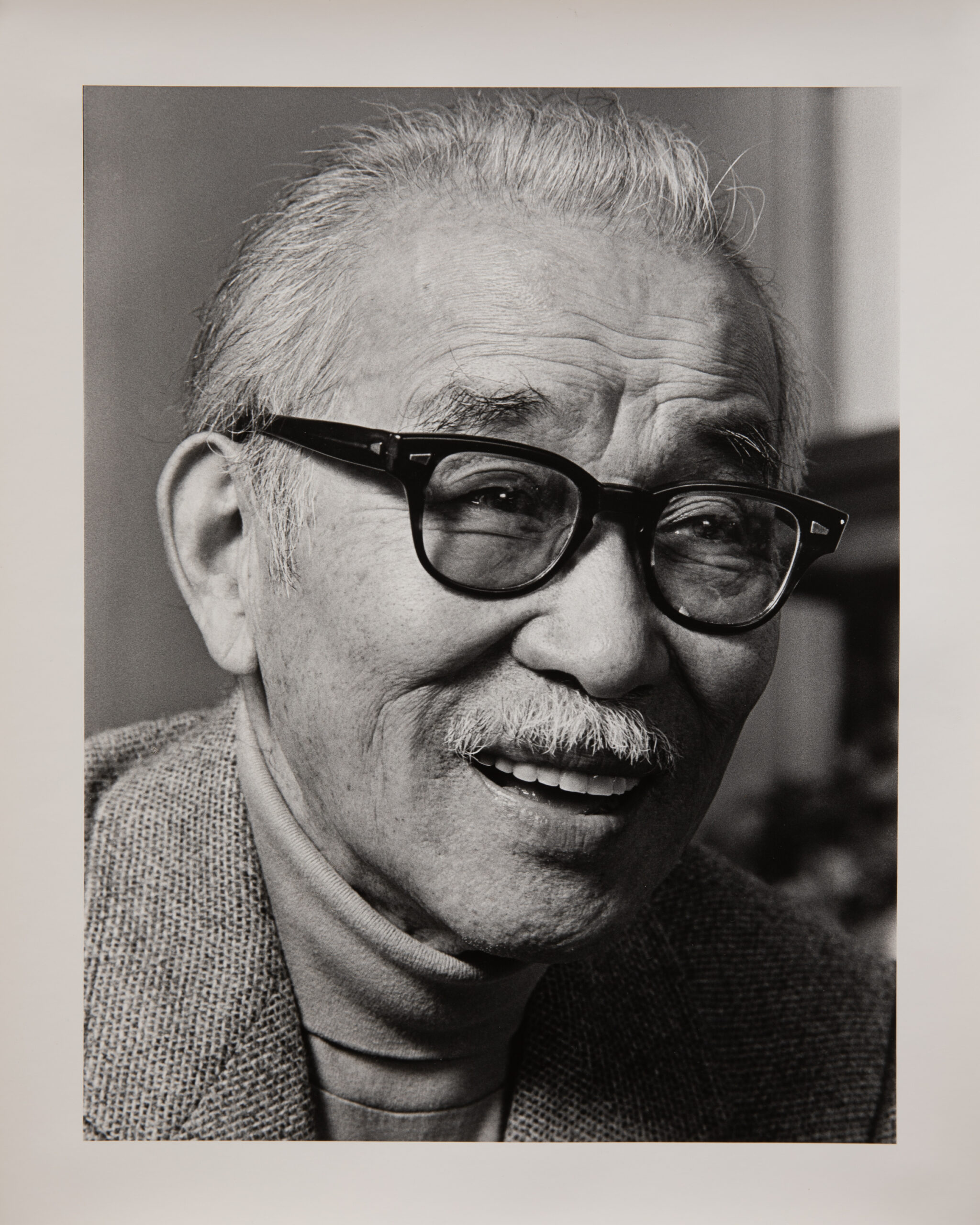
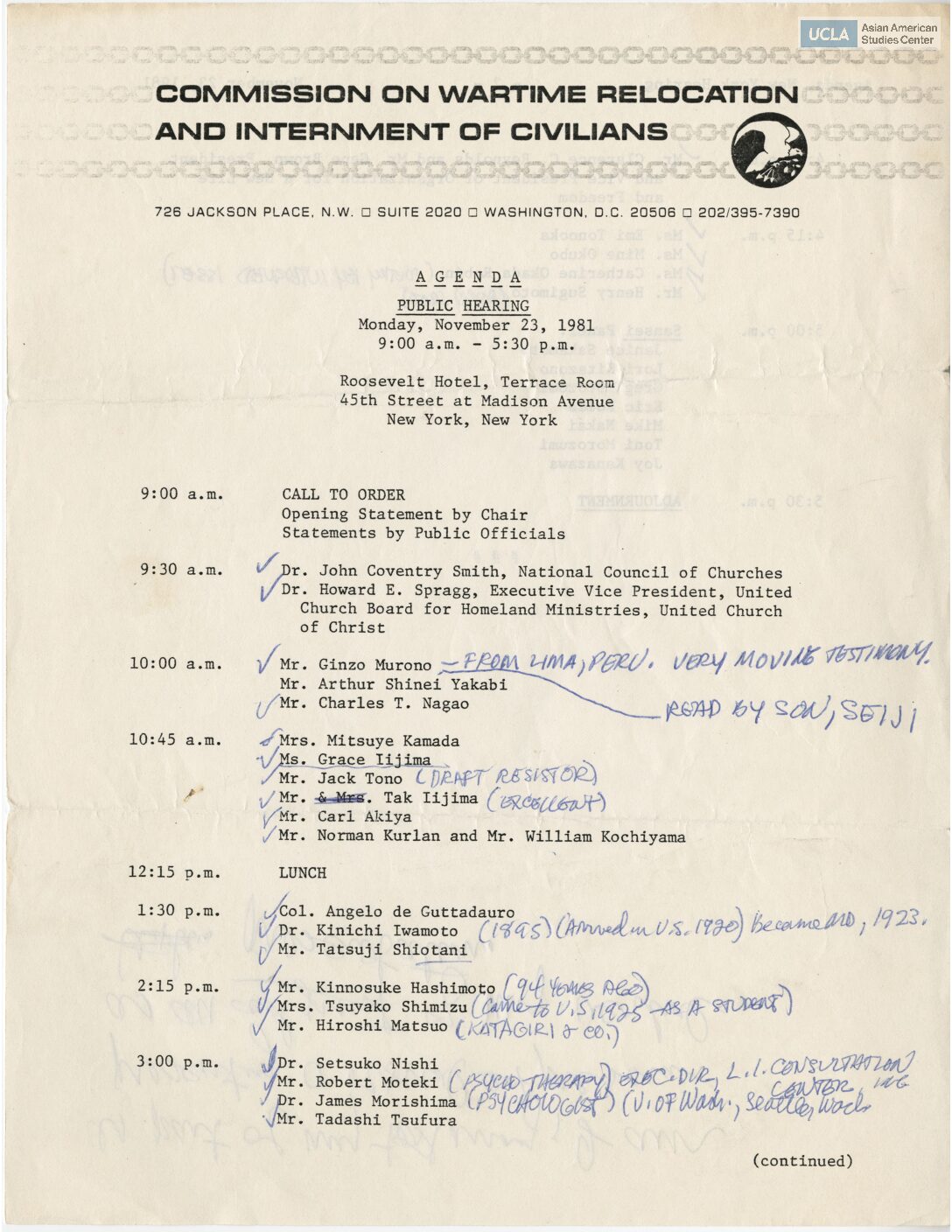
Kinichi Iwamoto was an Issei physician who served New York’s Japanese community during the decades before and after World War II. Born in Okayama, likely in 1895, he was raised and educated in Nagoya before coming to the United States around 1920 to continue his medical training.
In New York, Iwamoto became part of a small but important network of Japanese medical professionals serving the prewar Japanese community. He studied medicine in New York, received his medical degree in 1923, and opened a practice on Manhattan’s Upper West Side in 1924. His office was connected to the Japanese community around San Juan Hill and the Upper West Side, where Japanese residents, restaurants, boardinghouses, employment agencies, shops, and professional services supported both long-term immigrants and temporary residents. Dr. E. E. Yoshi, another Japanese physician, shared offices with Iwamoto for a time, while Dr. M. Tsuchiya, a Japanese dentist, also practiced in the same area.
Iwamoto’s recollections preserve a rare view of Japanese immigrant medical care in New York. He described an older medical ethic in which the patient came first and money came second. Unlike later doctors with prestigious offices on Park Avenue, he remembered making house calls even at night. His testimony suggests the importance of Japanese-speaking physicians in a community shaped by language, immigration status, temporary employment, company networks, and mutual aid.
After the Immigration Act of 1924 sharply restricted new immigration from Japan, Iwamoto remained in New York as part of the pre-1924 generation of Japanese residents who had already entered the United States. His life therefore bridges two periods in Japanese New York history: the earlier era of students, workers, company employees, and professionals moving through the city, and the more restricted interwar period shaped by exclusionary immigration law.
During World War II, Iwamoto was among the Japanese men in New York arrested soon after the attack on Pearl Harbor. Historical accounts describe FBI agents and New York City police arriving at his home shortly before midnight on December 7, 1941. He was taken first to a local police precinct, then to the U.S. Courthouse in downtown Manhattan, and finally to Ellis Island. Iwamoto later recalled that he was transported to Ellis Island with approximately twenty other detainees. He was detained there for several months before being released and allowed to resume his medical practice.
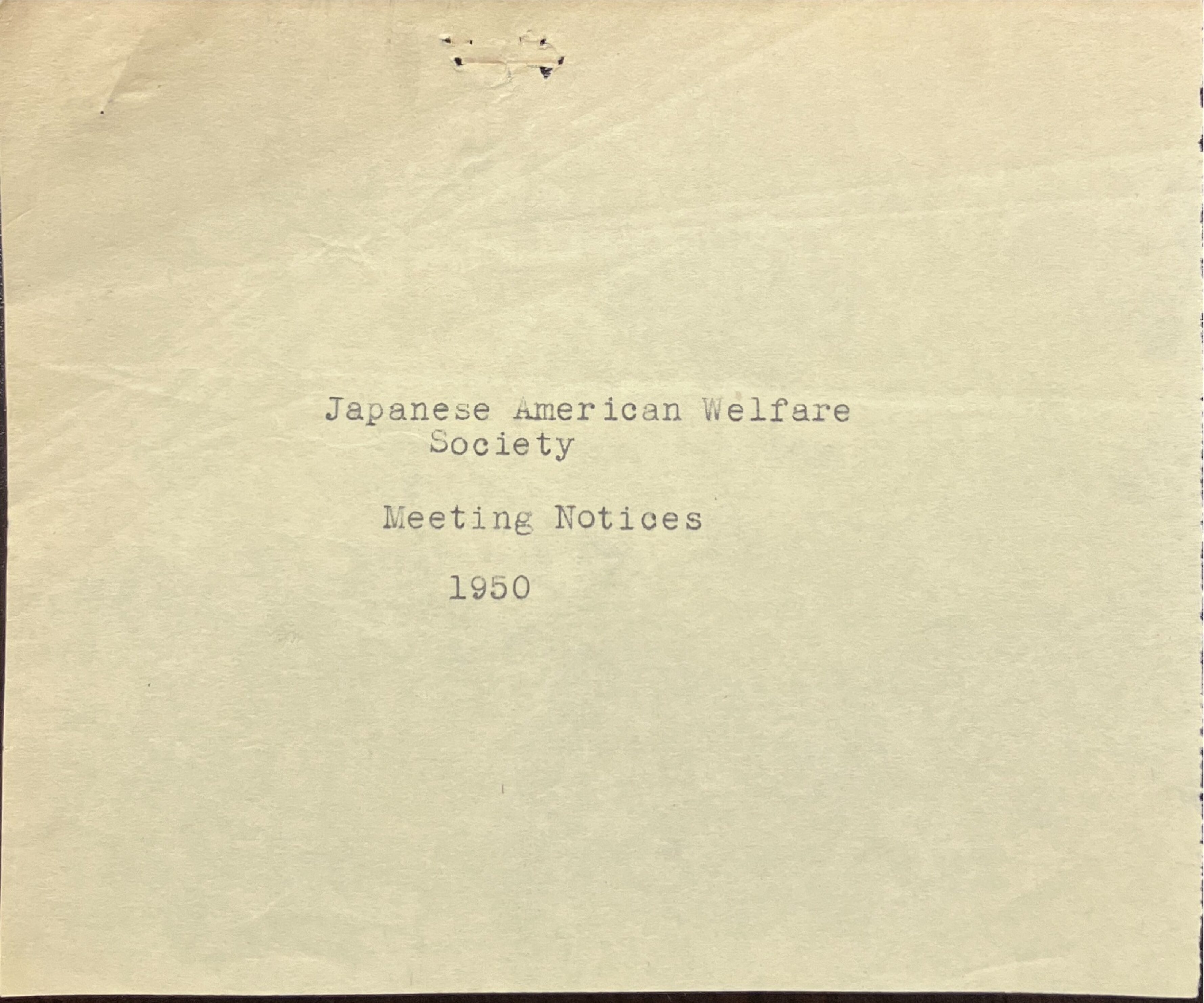
Wartime restrictions deeply affected both Iwamoto’s work and the Japanese community he served. He remembered curfews, travel restrictions, and the requirement that Japanese residents obtain permission if they traveled beyond certain limits. He also recalled that many Japanese company employees had left New York during the war, reducing the need for Japanese-speaking doctors. Iwamoto also have had a later connection to the Japanese American Welfare Society / New York Kyoseikai.
Kinichi Iwamoto’s life illuminates several overlapping histories: Japanese medical practice in New York, the prewar Upper West Side Japanese community, the impact of the 1924 Immigration Act, wartime detention at Ellis Island, and the postwar preservation of Issei community memory. His recollections are especially valuable because they connect professional service with intimate details of daily life, care, restriction, and resilience in New York’s Japanese immigrant community.