Yoshiko Uchida (1921–1992) was a Japanese American writer whose work played a central role in introducing Japanese and Japanese American experiences to postwar American readers. Over the course of her career, she published more than thirty books for children and adults, addressing themes of cultural identity, memory, and wartime incarceration. Her life moved across multiple geographic and cultural contexts, including California, wartime incarceration camps, the East Coast, New York, and postwar Japan. These experiences shaped her work as both a writer and cultural interpreter.
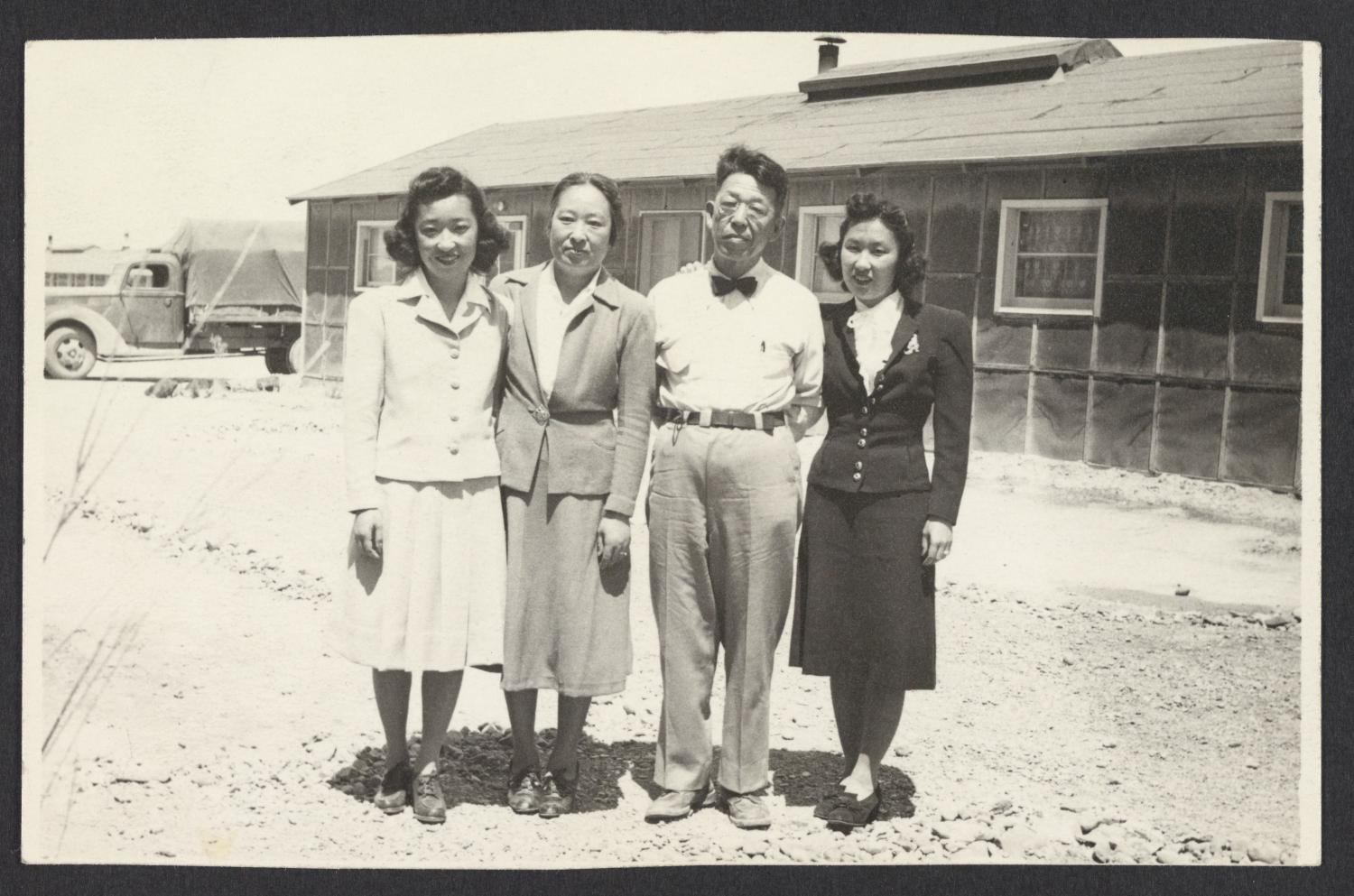
Uchida was born in Alameda, California, to Issei parents who were educated in Japan and maintained strong transpacific ties. She grew up in Berkeley and entered the University of California, Berkeley at the age of sixteen. Her education was interrupted in 1942 by the forced removal and incarceration of Japanese Americans following the outbreak of World War II. Uchida and her family were first held at the Tanforan Assembly Center and later incarcerated at Topaz in Utah.
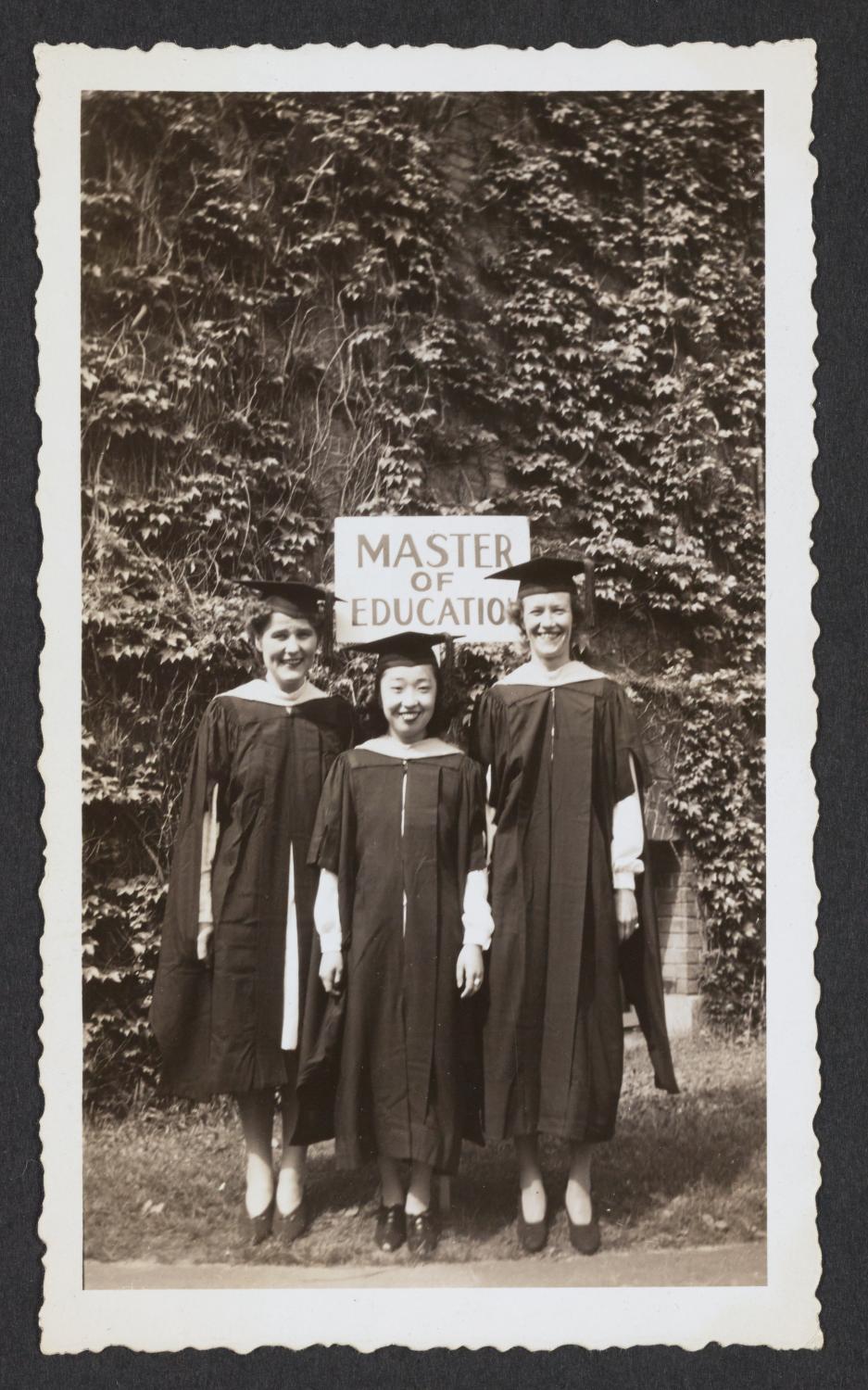
While incarcerated, Uchida obtained early release through the wartime student relocation program and continued her studies at Smith College, where she completed a master’s degree in education in 1944. This transition from confinement to academic life on the East Coast marked a significant turning point. It placed her within a broader network of institutions and individuals engaged in wartime relocation, education, and postwar reintegration, and began to shift her perspective beyond the West Coast Japanese American community.
After completing her studies, Uchida taught at a Quaker school in Pennsylvania before moving to New York City. In New York, she worked in clerical positions while writing in her spare time. This period was critical to the development of her literary career. The city provided both the practical conditions and the cultural environment that allowed her to begin publishing. Her first book, The Dancing Kettle and Other Japanese Folk Tales, was published in 1949 and marked the beginning of her long engagement with Japanese folklore and storytelling.
During this early stage of her career, Uchida collaborated with Japanese American artist Henry Sugimoto, who illustrated The Dancing Kettle. Sugimoto, who would later become known for his paintings documenting the wartime incarceration experience, brought a visual sensibility shaped by both Japanese artistic traditions and his own experiences as a Japanese American. Their collaboration reflects a broader postwar moment in which Japanese American writers and artists worked together to reinterpret Japanese culture for American audiences. Rather than presenting Japan as distant or exotic, Uchida’s retelling of folktales, paired with Sugimoto’s illustrations, offered a more grounded and accessible representation. This early work established a foundation for her later writing, in which cultural translation and historical experience remained closely intertwined.
A major turning point in Uchida’s life and career came in 1952, when she received a Ford Foundation fellowship to study in Japan. She spent approximately two years traveling and studying Japanese culture, with a particular focus on the mingei, or folk craft, movement. During this time, she encountered leading figures such as Yanagi Sōetsu and engaged directly with the philosophy and material culture of folk art. Photographs from this period, including one showing Uchida with Yanagi at the Japan Folk Crafts Museum in Tokyo in 1954, document her close engagement with this intellectual and artistic circle.
Her time in Japan deepened her understanding of cultural tradition while also sharpening her awareness of the differences between Japan and the United States in the postwar period. Rather than reinforcing a singular or nostalgic vision of Japan, the experience contributed to a more complex and reflective perspective. Uchida observed both continuity and change in Japanese society and considered her own position as a Japanese American moving between two cultural frameworks.
The influence of this period extended beyond her children’s books. Uchida wrote articles on the mingei movement and served as a correspondent for craft and design publications, helping to introduce aspects of Japanese folk art to American audiences. Her engagement with figures such as Kawai Kanjirō further reflects her interest in the philosophical and aesthetic dimensions of craft, suggesting a broader intellectual scope to her work.
Following her return to the United States, Uchida continued to write extensively. Her later works, including Journey to Topaz (1971), The Bracelet (1976), and Desert Exile (1982), addressed the experience of wartime incarceration and its lasting effects. These books became foundational texts in Japanese American literature and are widely used in educational settings. At the same time, her earlier engagement with folklore and her study of Japanese culture remained an important foundation for her approach to storytelling.
Uchida’s career can be understood through the intersection of these experiences. Her early years in California and her incarceration shaped her understanding of injustice and identity. Her time on the East Coast and in New York provided the conditions for her emergence as a writer. Her study in Japan expanded her engagement with cultural tradition and artistic practice. Together, these experiences informed a body of work that sought to make Japanese and Japanese American histories visible and accessible to a broad readership.
Today, Yoshiko Uchida is recognized not only as a pioneering Japanese American author but also as a key figure in the cultural exchange between Japan and the United States in the postwar period. Her writing reflects a sustained effort to bridge cultural understanding while preserving the complexity of lived experience.
References
No results found.
No results found.