
我らが国技である野球以上に異なる人種をひとつにしてくれる優れた媒介物は存在しない。野球こそ真の人種の坩堝だ。
—フレッド・リーブ、アメリカのスポーツ記者・野球史家(1923年)
展示会について
2022年は、日本における国民的娯楽とも言える、野球の150周年祭である。ここ数十年、米国ではイチロー、松井、ダルビッシュ、田中、大谷、吉田といった日本人選手がメジャーリーグ(MLB)の人気選手となっている。
Yet, there is more to the story of Japanese baseball than bright lights and the fame of legendary players. In a game tied historically and symbolically to the American dream – both the promise of prosperity and the aspiration of social mobility through individual success – there are deeper roots. Crushing failures, closed doors, and America’s deeply rooted racism punctuate the story.
本展は、 ニューヨーク日本人歴史デジタル博物館, this exhibit introduces how the first generations of nikkei (Japanese emigrants and their descendants who have formed communities outside Japan) and Japanese pioneers in Major League Baseball have overcome racial and ethnic stereotyping. They count every run-batted-in, base-gained, grueling victory and cruising defeat as a step towards equality. For nikkei, including Japanese New Yorkers, baseball has served to reinforce their cultural assimilation and pride in their Japanese heritage. The cultural shifts on the diamond often reflect the shifting definitions of Japanese American identity.
November 4, 2009, during the heated sixth game of the World Series, Hideki Matsui of the New York Yankees hit his third home run of the Series against the Philadelphia Phillies. It was a run that became an iconic moment in Major League Baseball (MLB) history, securing Matsui the title of Most Valuable Player in the World Series and making him the first Japanese-born player and full-time designated hitter to ever win the award. The moment felt like proof of Matsui’s belief that ethnic Japanese power hitters can compete at the same level as the best American and Latin American sluggers. Matsui was now alongside legends like Babe Ruth and Lou Gehrig. After seven years with the Yankees and a nine-year contract in the league, Matsui had left his mark on the most renowned team in baseball.
Major League Baseball trademarks and copyrights are used with permission of Major League Baseball. Visit MLB.com.
Horace Wilson. “San Francisco and Its Municipal Administration”. Evarts I. Blake. 1902. p.159. Public Domain.
Nisei Research Baseball Projectの厚意により
日本における起源と発達
1872-1896
Horace Wilson, an American educator and foreign advisor for the modernization of the Japanese education system following the Meiji Restoration, decided that his students needed more physical exercise. In 1872, he introduced them to “base ball”. The new game garnered interest and excited young players. Six years later, Hiroshi Hiraoka organized the Shinbashi Athletic Club, Japan’s first organized baseball team. In 1896 the first documentation of a Japanese baseball team defeating an American baseball team was recorded in Tokyo; the Ichikō High School team won three out of four games against the Yokohama Country Athletic Club and the US Navy cruiser USS Detroit, both teams which included mostly American players.
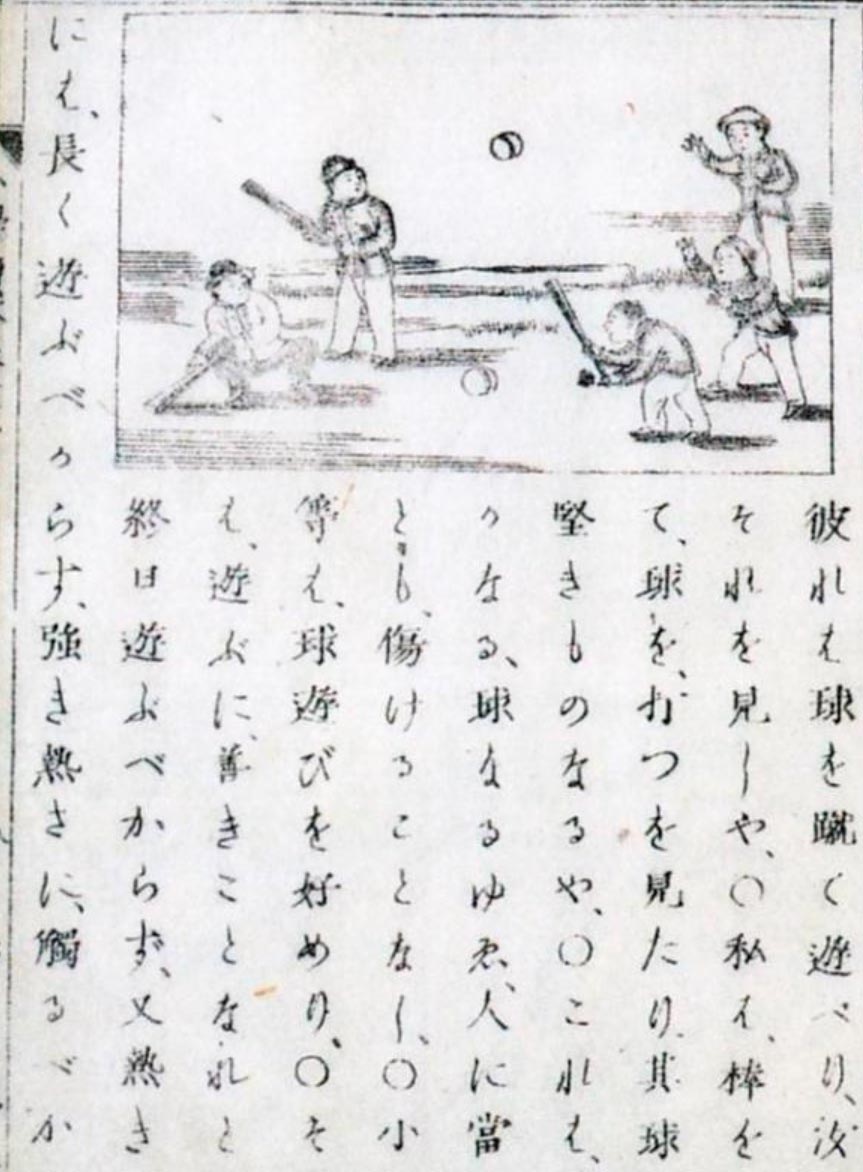
『初等読本』
これは1873年に発行された日本の学校教科書『初等読本』の抜粋で、日本における初期の野球が描かれている。イラストのタイトルは「ボール遊び」。
Photographed by the Ginza Nitamikan. Public Domain.
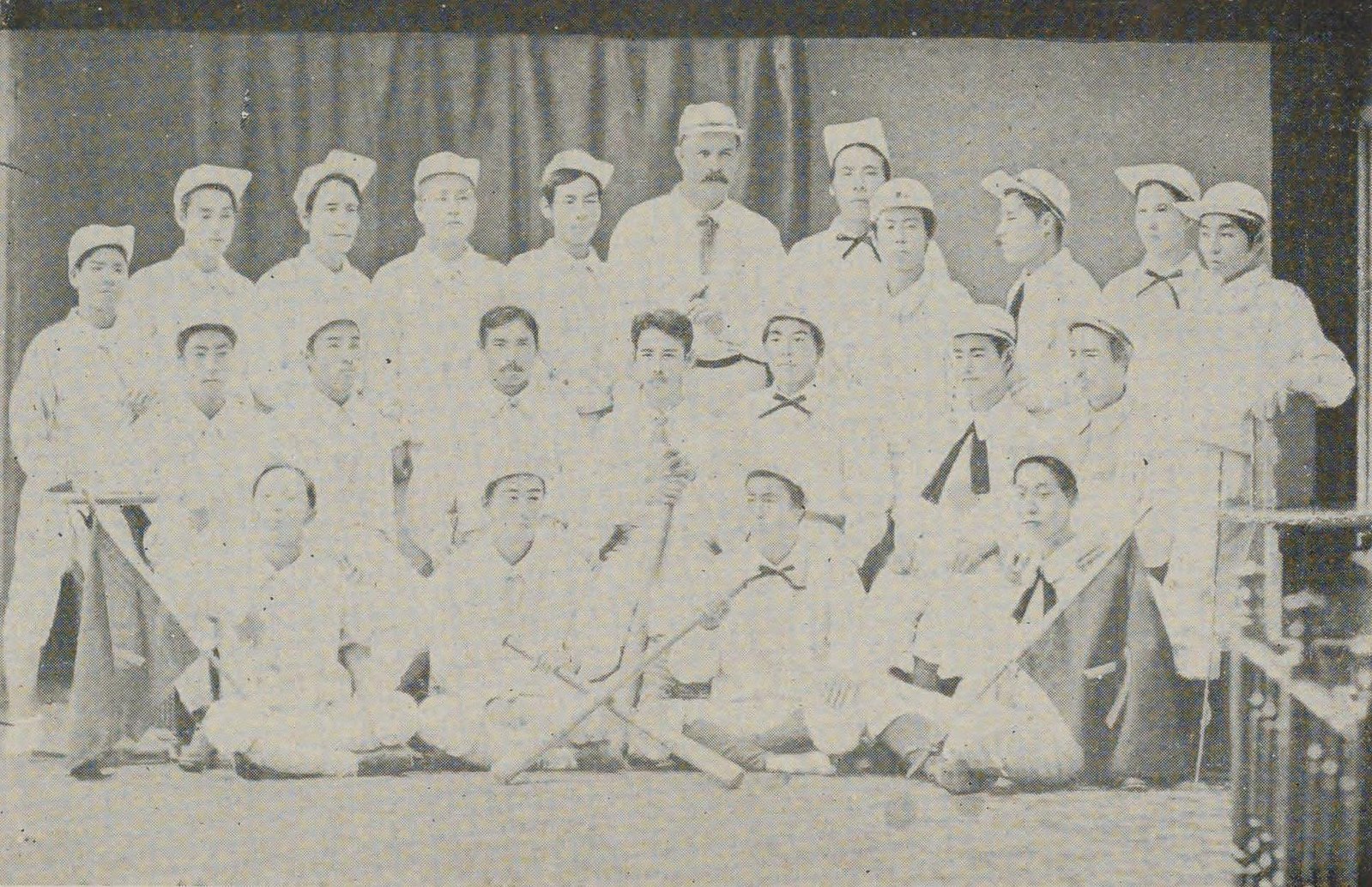
1878年、新橋運動倶楽部での平岡熙(中列中央)。平岡熙(1856-1934)は日本野球の父と言われでいる。1871年、平岡は鉄道技術を学ぶためにボストンとフィラデルフィアに渡った。ボストンでは、1876年に、ボストンレッドストッキングスの投手で、最初の「メジャーリーグ」であるナショナルリーグ(NL)を共同創設したアルバート・G・スポルディング(1849-1915)と知り合った。平岡は、再三ニューヨークを訪れ、街頭で行われていた都市型野球(スティックボール)を見学した。5年間の海外生活の後、平岡は熱狂的な野球ファンとなって、東海岸滞在中に収集した野球ガイドブックや用具を日本に持ち帰った。1878年には、日本初の野球チームである新橋アスレチッククラブを結成した。
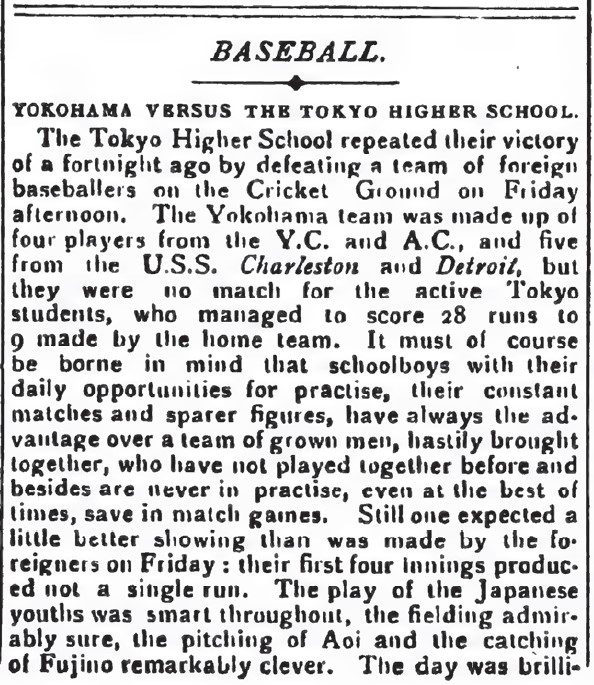
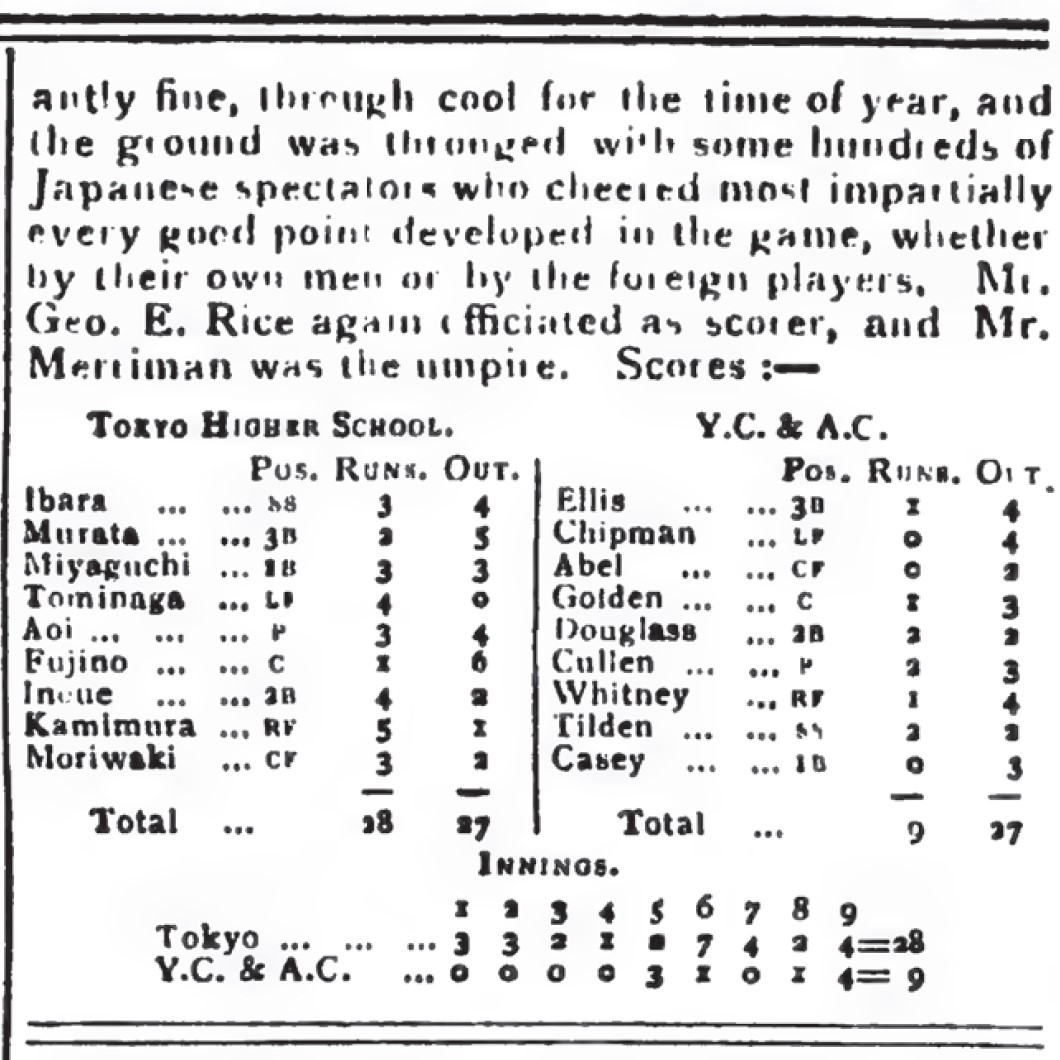
A scan of The Japan Weekly Mail newspaper recounting the details of a baseball game between the Ichikō High School team and the USS Detroit team in June 1896. In 1896 in Tokyo, the all-Japanese Ichikō High School baseball team defeated teams with a majority of American players in three consecutive games. The first win against the Yokohama Country & Athletic Club (YCAC) was such a landslide, 29-4, that it prompted calls for a rematch. For the second game, American Navy sailors from the USS Detroit cruiser joined the YCAC team, only to lose again, 35-9. Word of the second crushing defeat spread quickly. To quell the embarrassment, the USS Detroit sailors challenged the Ichikō students for a third time. Once again, the Americans were sorely defeated, 22-6. In a final game, played to much anticipation on July 4, 1896, the Americans got their victory, winning narrowly 14-12. The results of the games were published in local and foreign newspapers, as evidenced by this June 13, 1896, article from The Japan Weekly Mail. With three out of four wins under their belts, the Ichikō High School team and their head coach became national celebrities, skyrocketing baseball’s popularity in Japan.
ハワイの日系二世野球リーグ(1908年)とバーンストーミング・チームがニューヨークを訪問(1913年)
1899-1910s
19世紀後半から20世紀初頭にかけて、サトウキビ農園で働くためにハワイに移住した日本人労働者は、野球に対する親しみをとおして、労働者階級のエスニック・コミュニティとの交流を深めていった。
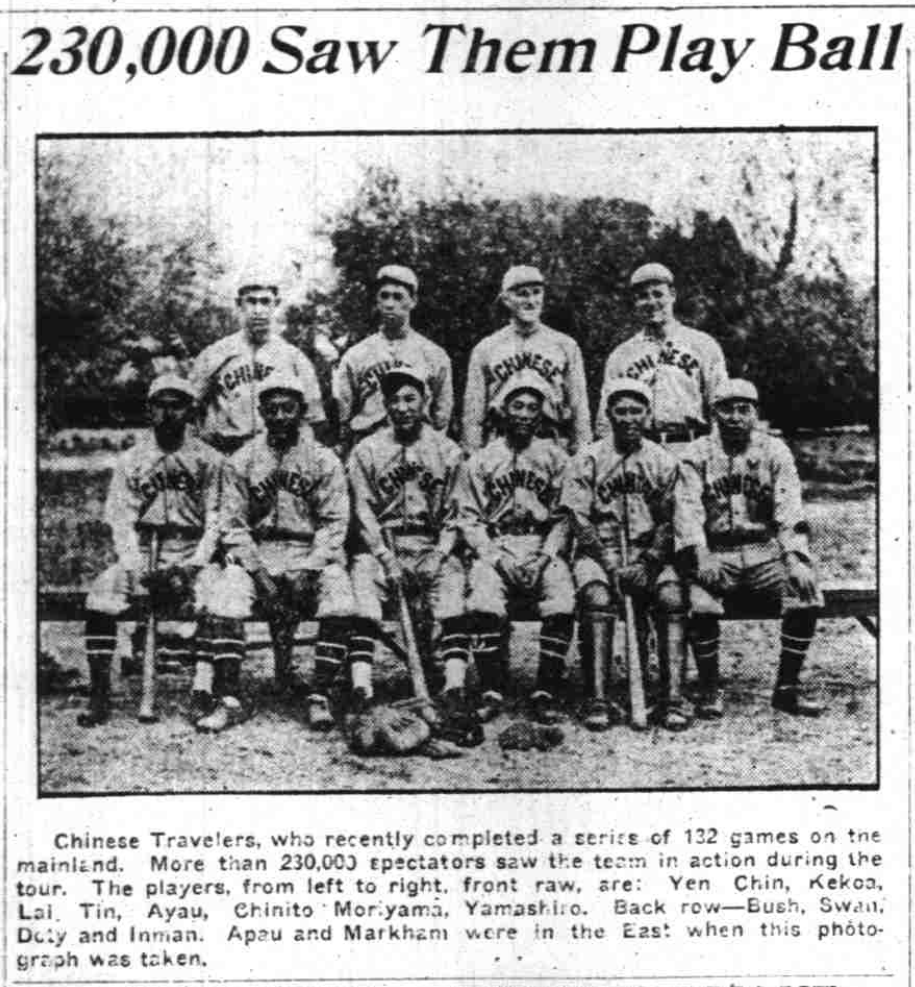

Honolulu Star-Bulletin. (Honolulu, HI), Oct. 24, 1916. Accessed through the アメリカ議会図書館.
ハワイアン・トラベラーズ
This first photo was taken on October 24, 1916. The Hawaiian Travelers, a multi-ethnic, barnstorming baseball team from Hawaii, toured the American mainland between 1912 and 1916, playing in 132 exhibition games. The team was also known as the “Chinese Travelers.” In 1913, the Travelers played games in the tristate region against teams that included the New York Lincoln Giants, a Negro League team, and the Seton Hall Pirates, a college team. Among the team members were three nisei, James Chinito (“Jimmy”) Moriyama (1893-1950), his brother Clement (‘Clem”) Moriyama (1894- 1970), and Andy Yamashiro (1896-1941). To align himself with the team’s alternate name, Yamashiro adopted the pseudonym “Andy Yim.” The Travelers demonstrated to American audiences the ability of Asian Americans and Native Hawaiians to play competitive baseball against white and black Americans.
Andy Yamashiro then played football for Temple Preparatory School in Philadelphia, Pennsylvania. In 1916, when the Hawaiian Travelers completed their national tour, Andy Yamashiro, still known as “Andy Yim,” returned to Philadelphia and enrolled at Temple Preparatory School. During his studies, Yamashiro became a right guardsman on the school’s football team. His athletic pursuits paid off, and he went on to play professional baseball for a minor league team in Gettysburg, Pennsylvania. Yamashiro is among the first Asian Americans to play professional baseball.
日系二世プレイヤーの黄金時代
1920-1941
20世紀初頭に野球人気は日系アメリカ人コミュニティに広がった。1910年代頭には二世リーグが国中で結成されて数を増していった。この日系アメリカ人二世の野球への情熱から、多くの野球史家が1920年代と30年代を「二世野球の黄金時代」と呼ぶ。二世チームの大部分は太平洋岸にまとまっていたが、ニッポン・アスレチック・クラブなどの一部のチームは早くも1916年にはニューヨーク市に存在していた。だが、ニューヨークで日系アメリカ人の野球リーグが生まれたのはようやく第二次大戦後になってからだった。この間、中国系アメリカ人のバック・ライがMLBクラブの唯一のアジア人選手であった。
1934年 ベーブ・ルース、ルー・ゲーリッグ、その他のアメリカン・リーグのオールスターが日本ツアーを行い、日本のチームとエキシビション・ゲームを行った。アメリカのオールスターチームは1931年にも日本ツアーを行っていたが、1934年のツアーは、当時も今日も最も偉大な野球選手とみなされている、ベーブ・ルースが参加したため、記念すべき試合となった。このツアーは、日本における野球ファンの増加につながった。
野球殿堂博物館. ID: B-277-51-21.
画像は、1934年8月15日、ニューヨークのヤンキー・スタジアムを訪問中の賀陽宮恒憲王と敏子妃、ベーブ・ルースと共に。
アメリカン・リーグのオールスター日本遠征
A group photo of the all-American and all-Nippon baseball teams at Meiji Jingu Stadium in Tokyo during the first game of the American League all-star tour of Japan on November 3, 1934. That day, fans packed the Meiji Jingu Stadium in Tokyo for the first game of the American League All-Star tour of Japan. The American team, stacked with some of the best players of all time, won the first game 17-1. Their streak continued, and they won the following 17 games as well. While victory for the Americans was abundant, the tour was not without memorable moments.
おそらくこの遠征で最も記憶に残る試合は、11月20日に静岡の草薙球場で行われたものだろう。この試合では、17歳の天才高校生、沢村栄治がオール・ニッポン・チームの投手として登板した。沢村は強打のアメリカチームを5安打1失点に抑え、完投した。ゲーリンガー、ルース、ゲーリッグ、フォックスを連続三振に仕留めた。試合は1-0で全日本が敗れたが、全米チームの監督であったコニー・マックは、沢村の活躍に感激し、彼が監督兼オーナーであったフィラデルフィア・アスレチックスと契約しようとしたが、沢村は丁重に断った。

邦字新聞デジタル・コレクション
バック・ライ
William Tin (“Buck”) Lai (1894–1976) practices with the New York Giants in 1928. In 1928, the New York Giants, at the recommendation of their manager John McGraw, signed William Tin (“Buck”) Lai to the team, making him one of the first Asian Americans signed to a Major League club. Lai, a 33-year-old Chinese American, was a longtime minor league player, and semi-pro third basemen, with enough skill to compete alongside the greats. Despite his Hawaiian birth and American citizenship, the New York print media called attention only to Lai’s Asian ancestry. Ahead of his first game with the Giants, The Republican-Journal quipped, “Pity the poor baseball statisticians who have to translate the weekly batting averages into Chinese characters.” The discrimination overpowered Lai’s talent; the Giants sold his contract to a minor league team in Jersey City after only two games, neither of which Lai played.
Courtesy of the Library of Congress.
オール・ハワイアン・ナイン
オール・ハワイアン・ナインの写真。写真左から3番目がバック・ライ。ライは1928年、インターナショナル・リーグのジャージー・シティ・スキーターズで4試合に出場。その後、ジャイアンツと契約する前に所属していたセミプロチーム、ブルックリン・ブッシュウィックスに復帰した。1935年、バックはハワイに戻り、"オール・ハワイアン・ナイン "と名付けられたバーンストーミング・チームを結成した。選手のほとんどは中国系か日系の血を引いていた。オール・ハワイアン・ナインは全米各地でエキシビション・ゲームを行った。
ニューヨークでは、ブルックリン・ブッシュウィックス、ペンシルベニア・レッドキャップス、セントラルパーク・パイングローバーズなどが対戦相手だった。グループは第二次世界大戦が始まるまでツアーを行った。戦後、バックはブルックリンに移り住み、ブルックリン・ドジャースのスカウト兼指導者を務めた。その後、ロングアイランド大学(LIU)ブルックリン・ブラックバーズの野球とバスケットボールのコーチを務め、また、LIUブルックリン校のアスレチック・ディレクターと監督も務めた。
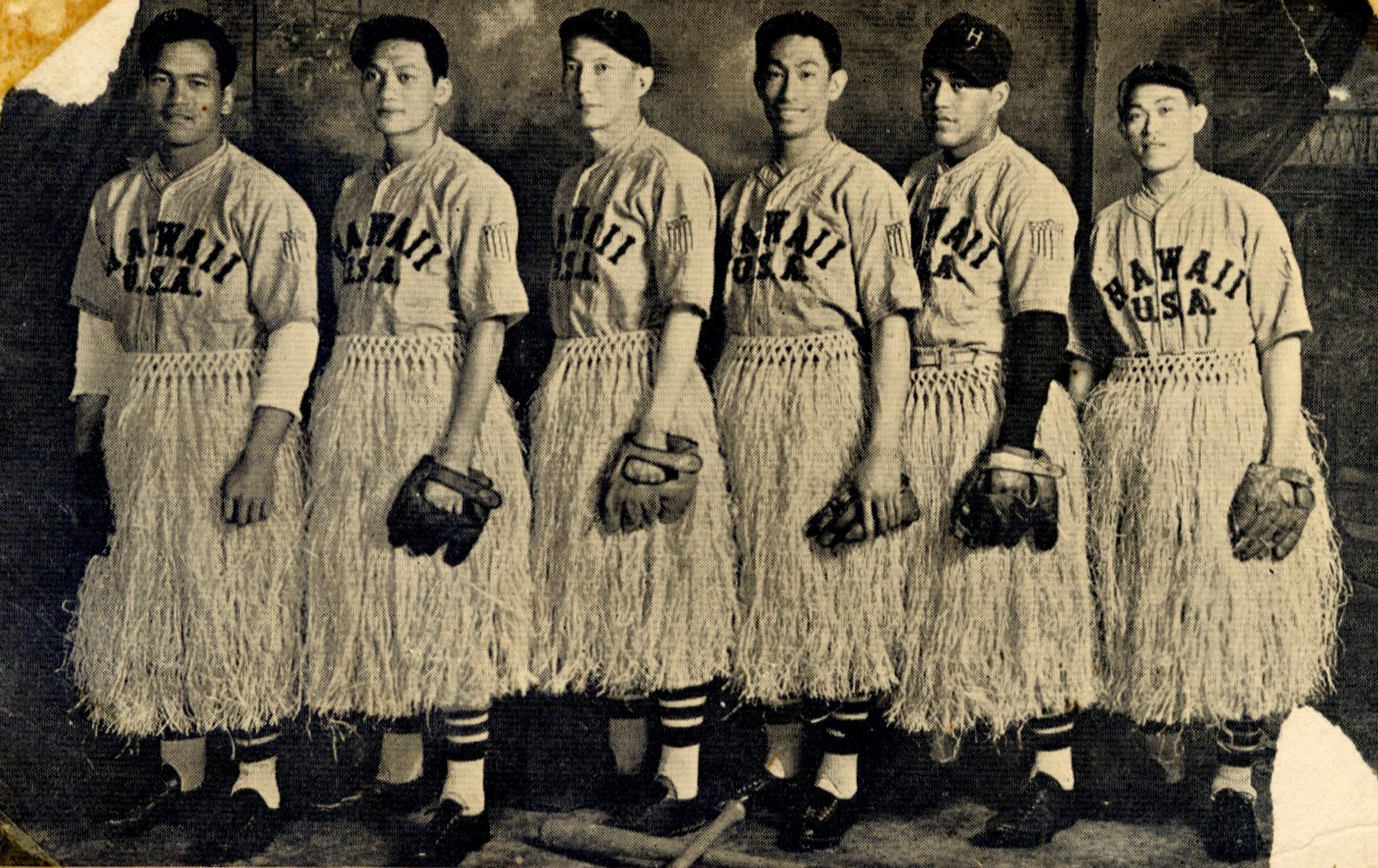
Museum of Chinese in America (MOCA)の厚意により
試練の時
1941-1946
In December 1941, with the bombing of Pearl Harbor and the entry of the United States into World War II, the foundations of Japanese American life began to shake. As the United States descended into racial hysteria, American political leaders and the media raised unfounded concerns of espionage and sabotage by nikkei. Two months after the Pearl Harbor attack, President Franklin D. Roosevelt issued Executive Order 9066, which authorized military areas and exclusions. Subsequent military orders implemented the mass exclusion and removal of all persons of Japanese ancestry – two-thirds of whom were American citizens – from their homes on the Pacific coast. They were taken to makeshift assembly centers (converted horse racing tracks and fairgrounds), and then to concentration camps, euphemistically named “War Relocation Centers,” situated in deserts or swamps. The ten isolated camps housed more than 120,000 Japanese Americans. For all of the nikkei, the transition was unjustly abrupt and devastating. A few communities were given a mere 48 hours to sell their valuables, homes, and businesses, while the remainder had only a few months to uproot their lives. In the camps, daily oppression and heavy surveillance were heavy reminders to Japanese Americans that they were outsiders in their own country.
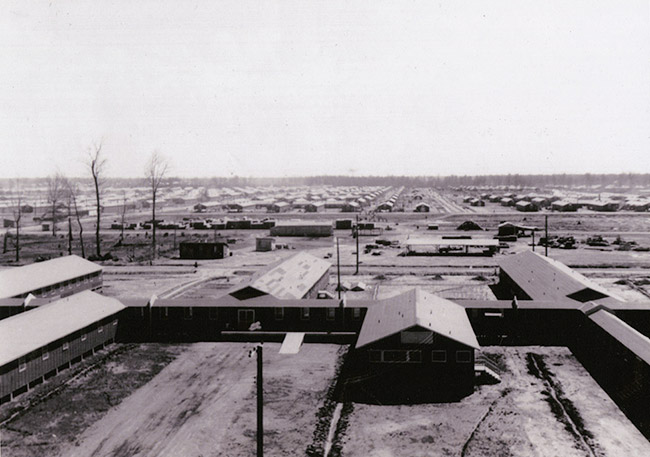
1940年代のローワー戦争移住センターのバラックと周辺地域。
Courtesy of the UA Little Rock Center for Arkansas History and Culture.
Life Interrupted collection, 1903-2005 (UALR.MS.0250)
「野球は、収容所内での日系社会の絆を深め、社会的に有意義な役割を果たした」
Branch Rickey (center) with LA Dodgers owner Walter O’Malley
(left) and former Chicago Cubs pitcher Bob Carpenter (right).
December 10, 1951. Courtesy of the National Baseball Hall of Fame Library.
戦争中、強制収容された日系人にとって、野球は慰めの源であった。日系人は戦前から野球に親し身が深く、収容所での生活苦を多少なりとも克服する手段となった。アーカンソー州のローワー戦争移転センターで発行されていた新聞『ローワー・アウトポスト』のスポーツライター、フレッド・オオシマは、「野球は、収容所内での日系社会の絆を深め、社会的に有意義な役割を果たした」と回想している。
On the East Coast a lesser number of Japanese Americans were incarcerated, ironically on Ellis Island, and most avoided forcible removal or arrest. However, the general atmosphere of distrust and racism towards Asian Americans after the outbreak of World War II led many issei and nisei to lose their jobs. Some were placed under government surveillance, others were subjected to warrantless searches of their homes, and all non-citizen issei had to register as “enemy aliens” and carry special identification cards. In 1944, New York City Mayor Fiorello H. LaGuardia verbalized unfounded discrimination, expressing that Japanese Americans resettled from camps in Manhattan and Brooklyn could pose “potential dangers” near New York’s military installations, plants, or shipping facilities.
トマス・マーティンの厚意により
Between 1943 and 1945, the War Relocation Authority granted leave clearance for graduating high school seniors to leave the concentration camps to attend institutions of higher learning in the Midwestern or Eastern United States. Led by the National Japanese American Student Relocation Council and its partners, this effort resulted in more than 5,500 students being placed at about 550 institutions in 46 states. These institutions included the University of Connecticut. The photograph above depicts the 1945 University of Connecticut baseball team. Two of the players, Hiyakawa (first row, far left) and Kiyokawa (first row, far right), were among the students who had received leave clearance.
戦後の先駆者
1941-1946
1946年までに、ニューヨークでは、ハワイからの退役軍人や学生も含めた強制収容所からの再定住者が、戦時中の日系コミュニティーの2倍以上の規模になった。これらの新参者の多くは、20代から30代の二世だった。野球好きが集まり、二世だけの野球やソフトボールのリーグが結成された。


1) Densho
2) トマス・マーティンの厚意により
ウィークエンダー・リーグ
1946年5月、カリフォルニア州ツールレイクにあった最後の戦争移転局が閉鎖された数ヵ月後、ニューヨークで日本人だけのソフトボールリーグが結成された。1946年5月30日発行のニューヨークの日系人向け新聞『二世ウィークエンダー』誌に、日系ソフトボールチーム「ウィークエンダー・リーグ」の発足が発表される。「ウィークエンダー・リーグ」という名前は、同新聞の名前に由来している。その記事には、リーグの結成についてこう書かれている: 「野球に熱心な日系人達が、11時間の及ぶ、7試合を熱狂的に見守った。各チームは日系企業や地元の宗教団体から出資を受け、第二次世界大戦後初めて日本語で発行されたニューヨークの新聞「北米新報」から寄贈された銀のトロフィーをかけて競い合った。
マサヒコ ・ラルフ・タカミ博士(1912-1967)が日系人リーグ開幕戦の始球式を行った。ラルフは、1907年に日本人互助会(1914年に日本人会と改称、現在はニューヨーク日系人会)を設立したニューヨークの一世、トヨヒコ・キャンベル・タカミ博士(1872-1945)の息子である。幼少の頃、ラルフと弟のモリヒコ(1915-1993)は、ローレンスヴィル・スクールの裕福なトッピング兄弟(ダニエル・R・トッピング、と、ヘンリー・J・トッピング・ジュニア)と同級生だった。ダン・トッピングはその後、1945年から1964年にかけてヤンキースの共同オーナーを務め、1948年から1966年には社長を務めた。
しかし、ニューヨークの日本人コミュニティ野球は、メジャーリーグのレベルとは、ほどとおいものだった。。。
ウォーリー・ヨナミネ
ハワイのマウイ島で生まれたウォーリー・ヨナミネ(1925-2011)は、沖縄と日本の血を引く二世で、プロフットボール選手として活躍した最初の日系人だった。1947年、サンフランシスコ・49ersのランニングバックとして活躍。オフシーズンの怪我が原因で1948年に49ersを退団。その後野球にに転向し、1950年、マイナーリーグ、ソルトレイクシティ・ビーズでプレーした。その年の秋、ヨナミネはヤンキースのスター外野手だったジョー・ディマジオや、ナショナルリーグで2度の打点王に輝き、マイナーリーグのサンフランシスコ・シールズの監督だったレフティ・オドールと食事をした。オドールは、1930年代に日本で野球を普及させることに貢献し、ヨナミネを読売ジャイアンツと契約させた。ヨナミネは日本プロ野球(NPB)で外野手、一塁手として12年間のキャリアを送った。NPBでの生涯打率は.311、1957年にはセ・リーグMVPを受賞し、1974年には中日ドラゴンズの監督として優勝に貢献した。この写真は、1974年のドラゴンズ優勝後の祝賀会で、胴上げされているウォーリー・ヨナミネを捉えたものである。ヨナミネはまた、内野手の足に向かってスパイクを立ててスライディングしたり、飛球に飛び込んだりするなど、アメリカの攻撃的な戦術を日本の野球に取り入れたことでも知られている。
1950年代半ば、読売ジャイアンツのウォーリー与那嶺。ポール与那嶺の厚意による。
1960年代の先駆者
In 1964, Masanori Murakami became the first Japanese player in MLB when he signed with the San Francisco Giants. He endured the major leagues only slightly longer than William Tin (“Buck”) Lai. Unfortunately, after a mere two seasons with the Giants, a contractual dispute and compromise led to Murakami returning to his Japanese team, the Nankai Hawks.
In 1967, Mike Lum became the first Japanese American in MLB, followed by Ryan Kurosaki in 1975 and Lenn Sakata in 1977. As the first nikkei in the league, Lum endured. He had a 15-year MLB career as an outfielder and first baseman but consistently had difficulty obtaining a starting position on the Atlanta Braves and Cincinnati Reds. For Kurosaki, his time in the major leagues came too soon; he was given a brief opportunity to play with the St. Louis Cardinals before he was ready. Sakata had a successful 11 years in the MLB as a utility player and later realized his skills as a team manager. No major league team offered him an opportunity, despite his qualifications, so Sakata managed minor league teams for the rest of his career.
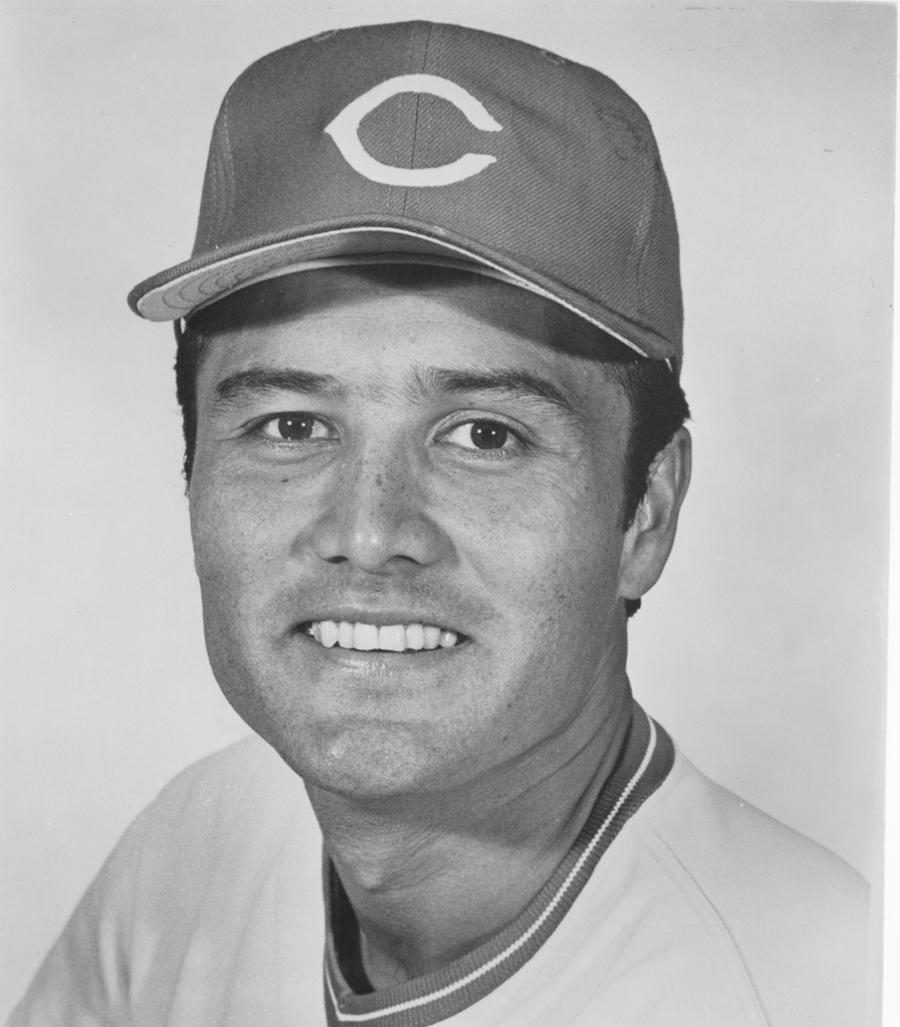
シンシナッチ・レッズの厚意により
マイク・ラム
マイケル・ケン・ワイ・ラム(1945年生まれ)は、1967年にアトランタ・ブレーブスでデビューし、MLBでプレーした最初の日系人となった。ラムは、ハワイで日系二世の母と白人アメリカ兵の父の間に生まれたが、その後、中国系アメリカ人のムン・ルークとウィニフレッド・ラム夫妻の養子として育てられた。
1970年7月4日、AP通信によって養子縁組が明らかにされた後も、米国のマスコミは、ラムの日本人として側面には触れず、ニューヨークの日本社会のなかでも、ラムが日系人だということはあまり知られていなかった。外野手だったラムは、ヘンリー・アーロン、ラルフ・ガー、ダスティ・ベイカーの存在により、ブレーブスのスタメンに入るのは難しかった。
しかし、1971年からは外野だけでなく、一塁でも起用されるようになり、出場機会を増やし、1973年に最高のシーズンを送り、568打席で打率.294、16本塁打、82打点を記録した。1975年のシーズン終了後、ブレーブスはラムをシンシナティ・レッズにトレードした。レッズでの、ラムの評価は低く、レッズのスパーキー・アンダーソン監督は、ラムを 「ナショナル・リーグで最も過小評価されている選手 」と呼んだ。
ライアン・クロサキ
ライアン・ヨシモト・クロサキ(1952年生まれ)は、ハワイ州ホノルル生まれの日系3世。彼の両親は共に日系二世の、黒崎勝人と藤井エレノア敏子。1973年に、ネブラスカ大学からセントルイス・カージナルスと契約。カージナルスは、マイナー2年目のクロサキをシーズン開始直後に大リーグに昇格した。しかし、セントルイスのマスコミは、クロサキが、日本人であることを理由に批判した。『セントルイス・ポスト・ディスパッチ』紙の記事は、黒崎の最初の試合の前に、「忘れてくれ、エンシェント・オーダー・オブ・ハイバーニアンズ(アメリカ最大のアイルランド系カトリック団体)。彼のファーストネームはライアンだが、すべて日本人だ。」カージナルスの試合でクロサキの投球が不調に終わった際、セントルイス・ポスト・ディスパッチ紙の別の記事は、「ライアン・クロサキは長崎のように被爆した 」と中傷した。
クロサキはカージナルスで7試合に登板し、合計13イニングを投げて防御率7.62、その後、ダブルAのアーカンソー・トラベラーズに戻され、メジャーに戻ることはなかった。トラベラーズのアナウンサーで、後にチームのゼネラル・マネージャーとなったビル・バレンタインは、クロサキに起こったことを次のように語っている: 「A球団で1年、ダブルAで数週間投げた選手が、大リーグでリリーフとして登板するために引き抜かれ、そして、彼らは彼を送り返し、彼のことを忘れてしまった」。
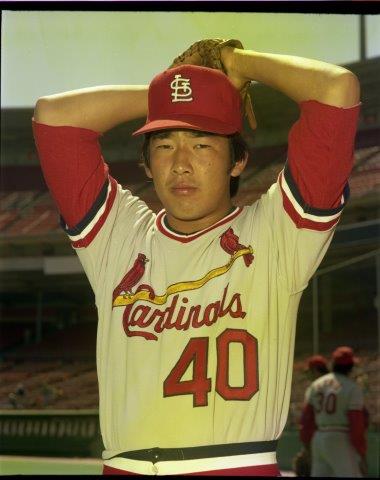
Courtesy of the National Baseball Hall of
Fame and Museum,Cooperstown, N.Y.
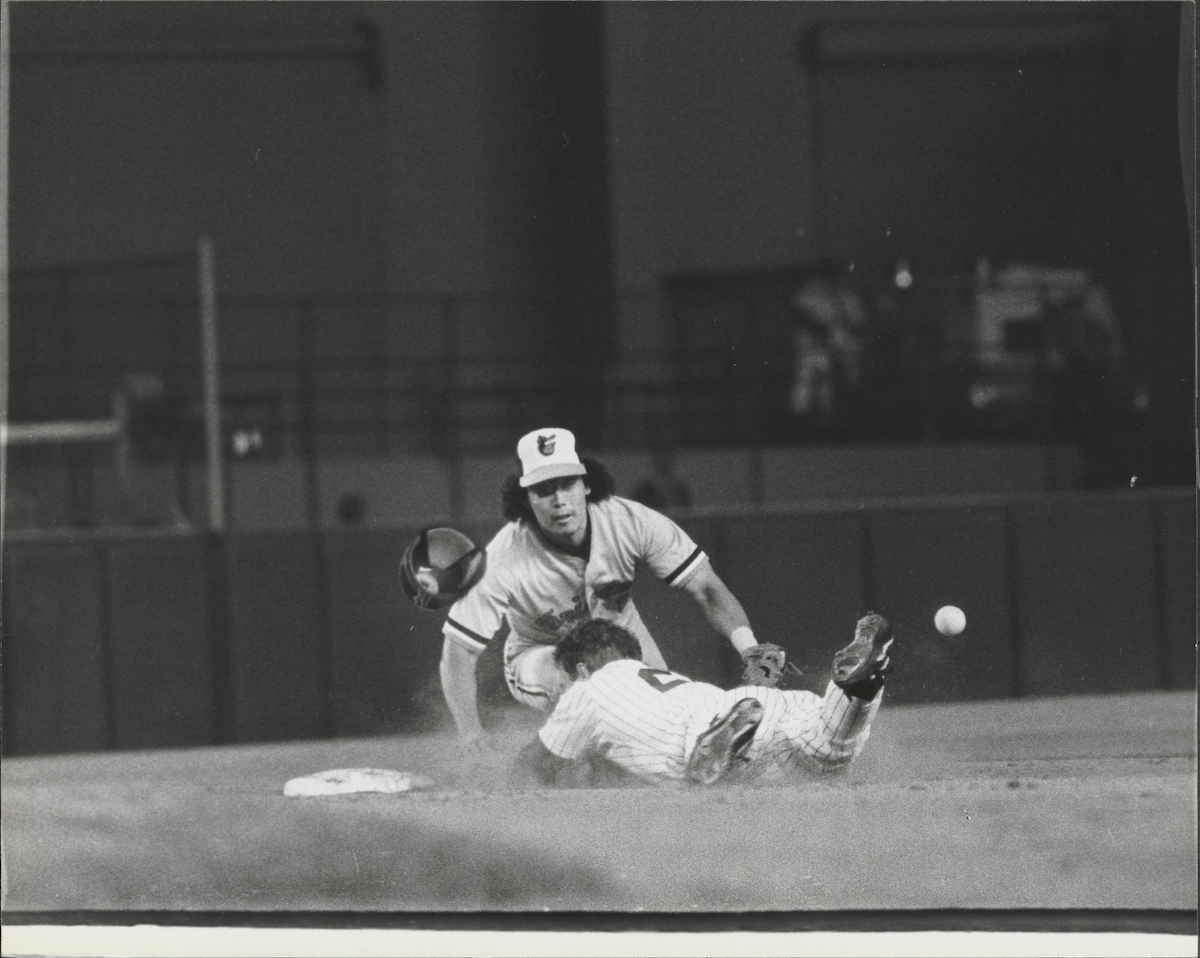
Photo courtesy of Major League Baseball. Trademarks and copyrights are used with permission of Major League Baseball. Visit MLB.com.
レン・サカタ
Lenn Sakata tags out Steve Kemp as he slides to the plate. By the 1980s Japanese players and nikkei of all generations still did not have significant representation in Major League Baseball. Murakami, the first Japanese player in MLB in 1964, paved the way for Japanese Americans Mike Lum and Ryan Kurosaki. Lenn Haruki Sakata (b. 1954), a high school teammate of Kurosaki, was next. Sakata, a yonsei (fourth-generation Japanese American) born in Honolulu, signed with the Milwaukee Brewers in 1977 after he graduated from Gonzaga University in Spokane, Washington. As a second baseman and shortstop, Sakata was primarily used as a utility player during his 11-year MLB career. While not a starting player, Sakata’s defensive prowess and reliability led him to the Baltimore Orioles, where he was part of the team that won the World Series in 1983. He was the first Asian and Asian American to be part of the highest victory in baseball. Sakata finished his major league career through the most famous gateway: the New York Yankees. He played two and a half months for the renowned team in 1987, his final season as a MLB player. Sakata went on to enjoy a lengthy career as a minor league manager.
バトンタッチ
村上雅則がMLBでプレーしてから30年後、野茂英雄が、日本人選手がカリフォルニアにやってきた。今度はサンフランシスコ・ジャイアンツではなく、ロサンゼルス・ドジャースの一員として。1995年に野茂が入団した時、ドジャースの監督だったトム・ラソーダは、野茂を 「日本人選手のアメリカ移籍のパイオニア 」で「先駆者 」と評した。
Nomo’s breakthrough career as a starting pitcher opened a door of opportunity. Soon, other Japanese pitchers followed in his footsteps. Hideki Irabu (1969–2011) debuted with the Yankees in 1997, Shigetoshi Hasegawa (b. 1968) started with the Anaheim Angels in 1997, Tomo Ohka (b. 1976) signed to the Boston Red Sox in 1999, and Kazuhiro Sasaki (b. 1968) had his MLB entrance with the Seattle Mariners in 2000. Nomo’s trailblazing continued into the 21st century, leading Japanese outfielders Ichiro Suzuki (b. 1973) to the Seattle Mariners in 2001, and Hideki Matsui (b. 1974) to the New York Yankees in 2003.
2000年代初頭にMLBで、日本人選手が高い実績を残した一方で、メジャーリーグに昇格した日系人はほとんどいなかった。ラム、クロサキ、サカタ、そしてアトリー・ハマカー投手(1958年生まれ、1981年MLBデビュー)に続いて、2005年までに大リーグに在籍した日系選手は、ドン・ワカマツ(1963年生まれ、シカゴ・ホワイトソックス-1991年)、デーブ・ロバーツ(1972年生まれ、クリーブランド・インディアンス-1999年)、オナン・マサオカ(1977年生まれ、ロサンゼルス・ドジャース-1999年)である。マイク・ラムとレン・サカタは、MLBに日系人選手、コーチ、監督が少ないのは、制度的人種差別によるものだと批判している。
2006年以降、ヤンキースやメッツを含め、MLBには約24人の日系選手が在籍しているが、そのほとんどはパートタイムのユーティリティープレーヤーである。しかし、シェーン・ビクトリーノとカート・スズキは例外と言える。
地元ニューヨークの日系コミュニティは、毎年野球大会を開催し、アマチュア野球の伝統を受け継いでいる。ニューヨークのMLBレベルでは、カイル・ヒガシオカのような日系人選手や、千賀滉大のような日本人選手が、それぞれのチームと、市、地域、州、そして全米における日本人および日系人野球選手の遺産を引き継ぎ、社会貢献している。
Photo courtesy of Major League Baseball. Trademarks and copyrights are used with permission of Major League Baseball. Visit MLB.com.
デレック・タツノ
写真は1979年、ハワイ・レインボー・ウォリアーズのヘッドコーチ、レス・ムラカミ(左)とデレック・タツノ(右)。野茂英雄や、その後の鈴木一朗、松井秀喜といった日本人選手の活躍にもかかわらず、1980年代から2005年にかけてMLBで活躍した日系ユーティリティプレーヤーはほんの一握りだった。2021年のハワイ・ヘラルド紙のインタビューで、レン・サカタは、アジア系アメリカ人がMLBで直面している問題について次のように語っている。「. . . 私たち日系人は時に二流階級の人々の集まりで、見向きもされない存在でした。当時のアジア人に対する固定概念は、運動神経が鈍く、誰にも相手にされなかった。だから、誰もスポーツをしようとしなかったんだと思う。私たちアジア人には、なじめないことのように思えたんだ。」
NCAA全米大学野球で初の20試合勝利投手であり、シーズン奪三振数歴代1位のデレク・タツノ(1958年生まれ)は、MLBの人種差別的な風潮を嫌い、1976年から1981年の間に、同じ球団から2度の指名を含む、MLBの4球団からの契約オファーを断り 、大学と日本のアマチュアチームで投手になることを選んだ。辰野の目的は、NPBでキャリアを積むことだった。しかし、MLB球団から毎年ドラフト指名されたため、MLBの規則でNPB球団と契約することができなかった。1982年、タツノは、5球団目となるミルウォーキー・ブルワーズにドラフト指名され、ブルワーズと契約しが、彼は、1988年に引退するまで一度もメジャーに行くことなく、野球界を去っていた。
Courtesy of The Honolulu Star-Bulletin File.
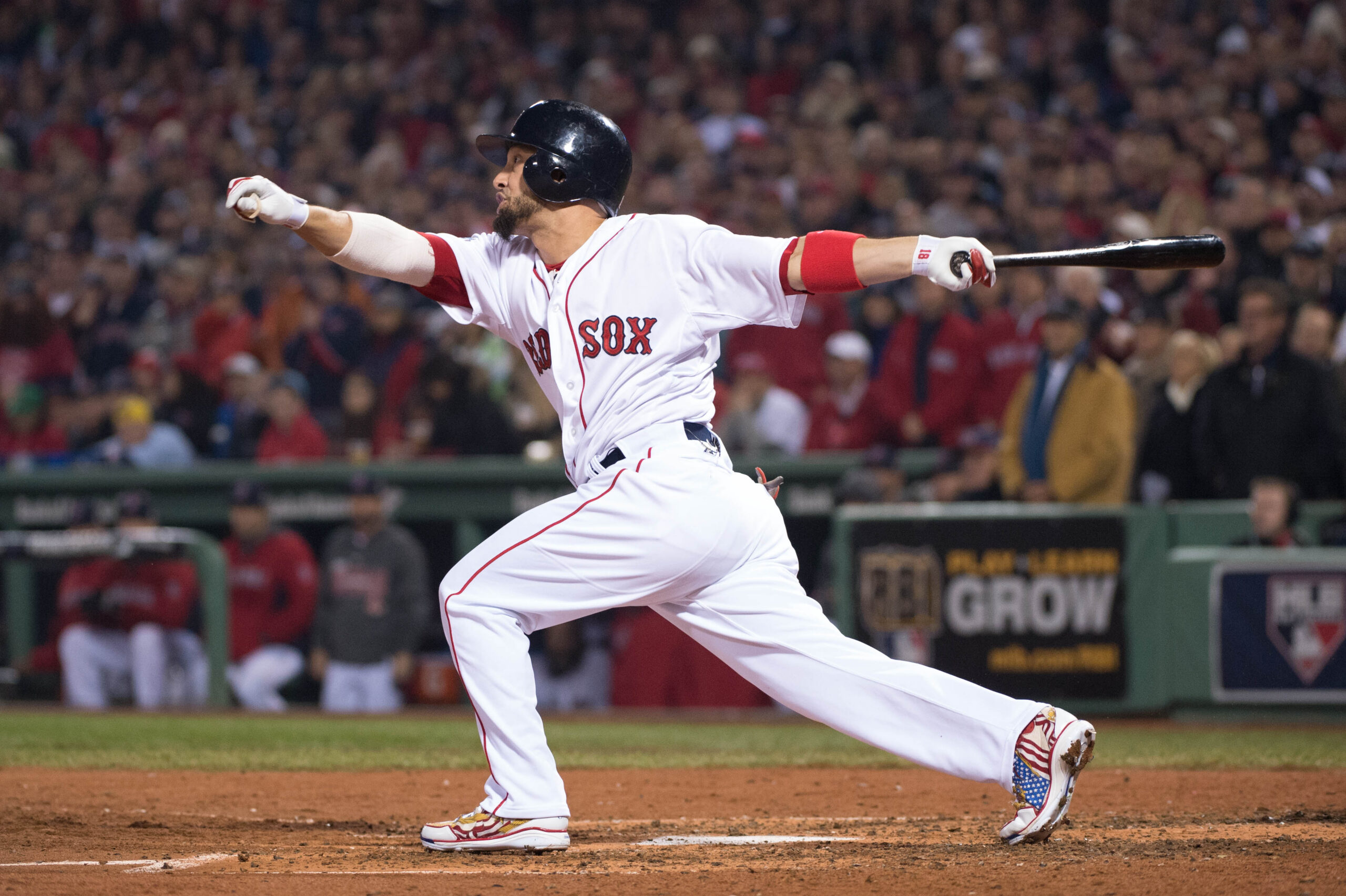
Photo courtesy of Major League Baseball.
Trademarks and copyrights are used with permission
of Major League Baseball. Visit MLB.com.
マウイ島出身の先駆者
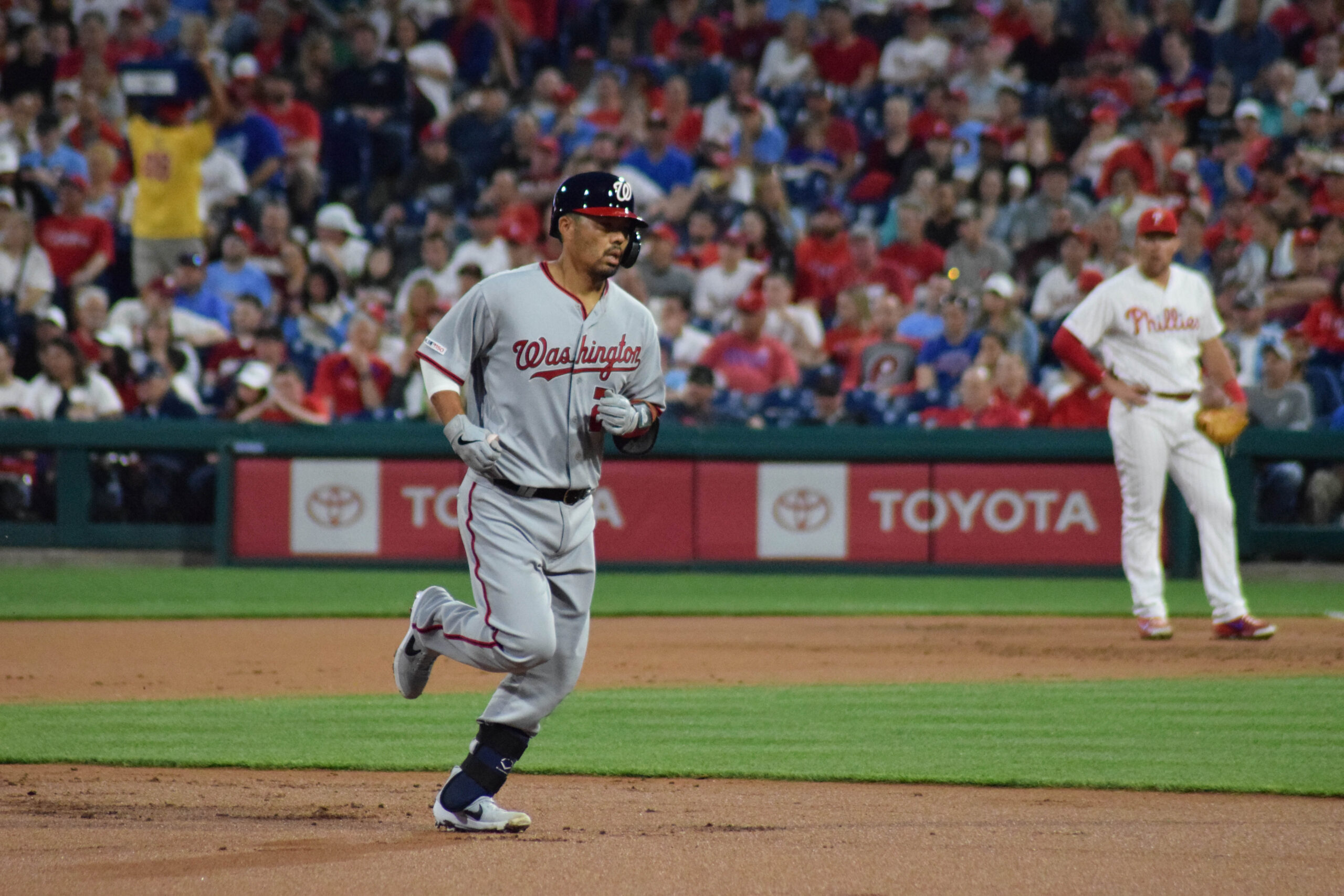
The first photograph is of Shane Victorino on the field with the Boston Red Sox in 2013, who he played with from 2012 to 2015. The second is a 2019 photograph of Kurt Suzuki playing for the Washington Nationals during a game at Citizens Bank Park in Philadelphia. In 2006, after 25 years without a nikkei player starting in MLB, two Hawaiian men made a splash in the league. Both were Maui boys, born within three years of each other and raised only a few miles apart. They found their way to majors through different routes.
ビクトリーノはポルトガル、ネイティブ・ハワイ、沖縄の血を引いており、2003年にサンディエゴ・パドレスでMLBデビューしたが、2006年にはフィラデルフィア・フィリーズで主に中堅手としてレギュラーに定着した。MLBでの12年間のキャリアで、ビクトリーノは生涯打率.275、4,630打席に立った。「フライング・ハワイアン」のニックネームを持つビクトリーノは、231盗塁を記録し、三塁打数ではNLを2度リードした。2008年、ビクトリーノはフィリーズをワールドシリーズ優勝に導いた。1枚目の写真は2014年のボストン・レッドソックスの試合で撮影されたもの。ビクトリーノは2012年から2015年までレッドソックスでプレーした。
日系四世だった鈴木は、2007年にA'sでMLBデビューを果たし、翌シーズンから捕手としてレギュラーに定着した。16年間のキャリアで、鈴木は5,563打席に立ち、打率.255、1,421安打を放った。2014年にはミネソタ・ツインズの一員としてオールスターに出場し、2019年にはワシントン・ナショナルズのワールドシリーズ制覇に貢献した。このカート・スズキの写真は、2019年にフィラデルフィアのシチズンズ・バンク・パークで行われた試合中に撮影された。
アジア系アメリカ人の監督やコーチ
過去四半世紀の間にMLBで日系人やアジア系アメリカ人の選手数は増加しているが、MLBレベルでのアジア系アメリカ人の監督やコーチは増えていない。
ウェンデル・キム
Photo courtesy of Major League Baseball. Trademarks and copyrights are used with permission of Major League Baseball. Visit MLB.com.
ドン・ワカマツ
Photo courtesy of the Texas Rangers.
デーブ・ロバーツ
Photo courtesy of Major League Baseball. Trademarks and copyrights are used with permission of Major League Baseball. Visit MLB.com.
レン・サカタ
1249 Lenn Sakata #14, Copyright © 2007 Dave Nelson. Licensed under Creative Commons Attribution-NonCommercial 2.0 Generic (CC BY-NC 2.0).
ブレンダン・サガラ
Photo courtesy of the Texas Rangers.
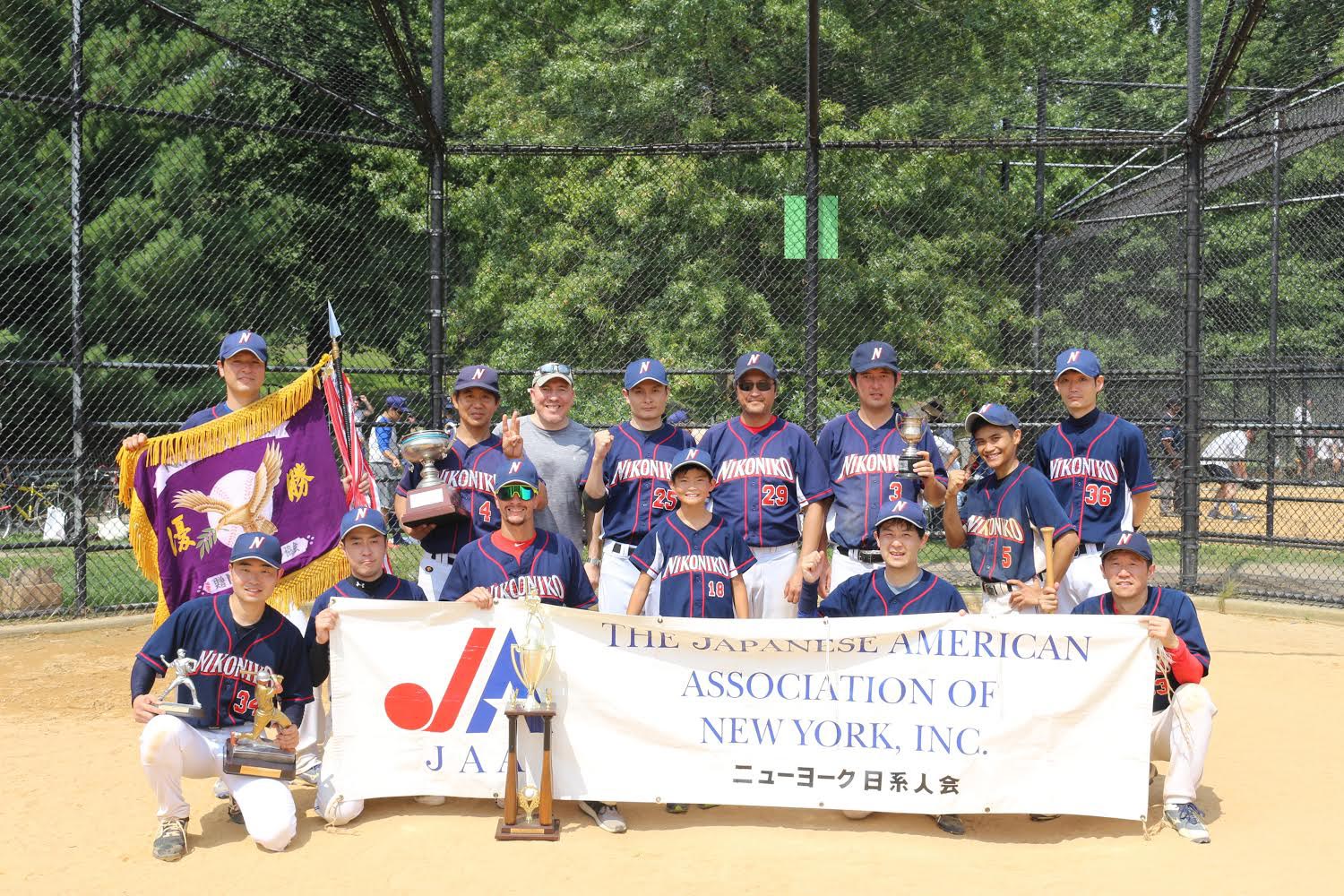
ニューヨーク日系人会(JAA)が主催し、毎年5月から8月にかけて行われるトーナメントに出場した16チームのうちの1つ、2016年のチームニコニコの優勝写真。大会にはさまざまな職業の選手が出場する。この大会は1986年、日本協会のスポーツ委員会委員長であった加藤修司氏によって創設された。1990年、当時外務大臣を務めていた中山太郎氏が来日し、外務大臣杯を寄贈。同杯は、在ニューヨーク日本国総領事館大使臨席のもと、日本協会会長から贈呈される。この大会は、ニューヨーク日系社会におけるアマチュア野球の長い伝統を引き継いでいる。
2023年2月7日、MLB Develops Youth Academyから表彰されたカイル・ヒガシオカ(ツイッターに投稿した画像)。2枚目の写真は2015年8月4日、ニューヨーク・ヤンキースで投球する田中将大。日系四世のカイル・ヒガシオカ(1990年生まれ)は、2017年にヤンキースに入団し、2023年2月7日、サーマン・マンソン賞を受賞した。この賞は、ヤンキースの名捕手サーマン・リー・マンソン(1947~1979年)にちなんで名づけられたもので、毎年プロ選手やオリンピック選手に贈られ、社会奉仕活動やスポーツ選手としての功績が評価される。フィールド外では、ヒガシオカは地元カリフォルニアのMLBユース・アカデミーや、戦死した特殊作戦要員や名誉勲章受章者の子供たちに中等教育修了後の教育機会を提供する特殊作戦戦士基金でボランティア活動を行っている。
ヒガシオカは南カリフォルニアで育ちで、幼少期は日系人の友人はいなかったという。しかしヤンキースでは、日本人選手、田中将大と友情を育んだ。田中は英語が苦手で、チームメイトとの会話も通訳に頼っていた。2017年3月6日付のニューヨーク・タイムズ紙のインタビューで、カイルは日本語の上達を目指していることをこう明かた。「(日系人社会の)原則では、日本語を話さなければ日本人とみなされないんだ。僕も日本語を話すことは、日本人として誇らしきこと思う。」
ニューヨーク日系人会/JAAの厚意により
1) “Yankees catcher Kyle Higashioka bats during the seventh inning.” by apardavila, CC BY-SA 2.0
2) Masahiro Tanaka. Photo courtesy of Major League Baseball. Trademarks and copyrights are used with permission of Major League Baseball. Visit MLB.com.
ボビー・バレンタインの厚意により
これは2017年にニューヨーク市で撮影された、岩手市から来た若い野球選手たちがニューヨーク日系人会(JAA)の横断幕を持ってポーズをとっている写真だ。ニューヨーク日系人会はボビー・バレンタイン・スポーツ・アカデミーと絆基金とともに、岩手(日本の東北沿岸の県)から中学生野球選手を招待し、若い米国野球選手との野球トレーニングキャンプやトーナメントに参加させた。「ボビー・マジック2017」と呼ばれるプログラムの一環であるこの試合は、2011年の東日本大震災を生き延びた子どもたちの癒やしを促進するための主催者たちの取り組みの続きである。ボビー・バレンタインとJAAは日本の東北地方の若い選手がニューヨークを訪れる支援をし、またコネティカットから若いアメリカ人チームを東北でのプレーのために派遣した。野球が世界共通言語であり、文化を超えた娯楽であると再認識した午後だった。

ジャパニーズ・ヘリテージ・ナイト
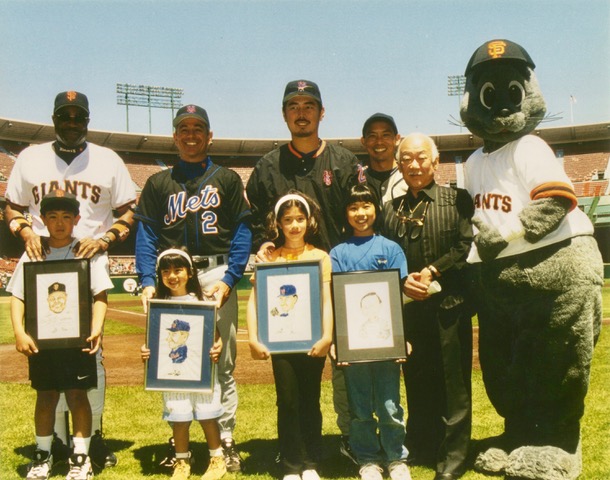
1998年5月17日、ニューヨーク・メッツ対サンフランシスコ・ジャイアンツの試合開始前に行われたキャンドルスティック・パークの日系人デー。左から右(後列): サンフランシスコ・ジャイアンツのダスティ・ベイカー監督、ニューヨーク・メッツのボビー・バレンタイン監督、メッツの先発投手吉井理人、二世ベースボール・リサーチ・プロジェクト(NBRP)のケリー・ヨウ・ナカガワ所長、俳優でコメディアンのパット・モリタ(1932-2005)、ジャイアンツのマスコット、ルー・シール。モリタが初めて野球を体験したのは、第二次世界大戦中、家族とともに収監されていたギラ・リバー強制収容所だった。
2枚目の写真は、2022年8月25日にシティフィールドで始球式を行った森幹夫日本総領事が写っています。 左はメッツのマックス·シャーザー投手、右は元メッツの吉井理人投手。 ニューヨーク·メッツのコロラド·ロッキーズとのホーム試合前の式典は、野球が米国から日本に来て150周年を記念する日米野球歴史ナイトイベントの一環でした。
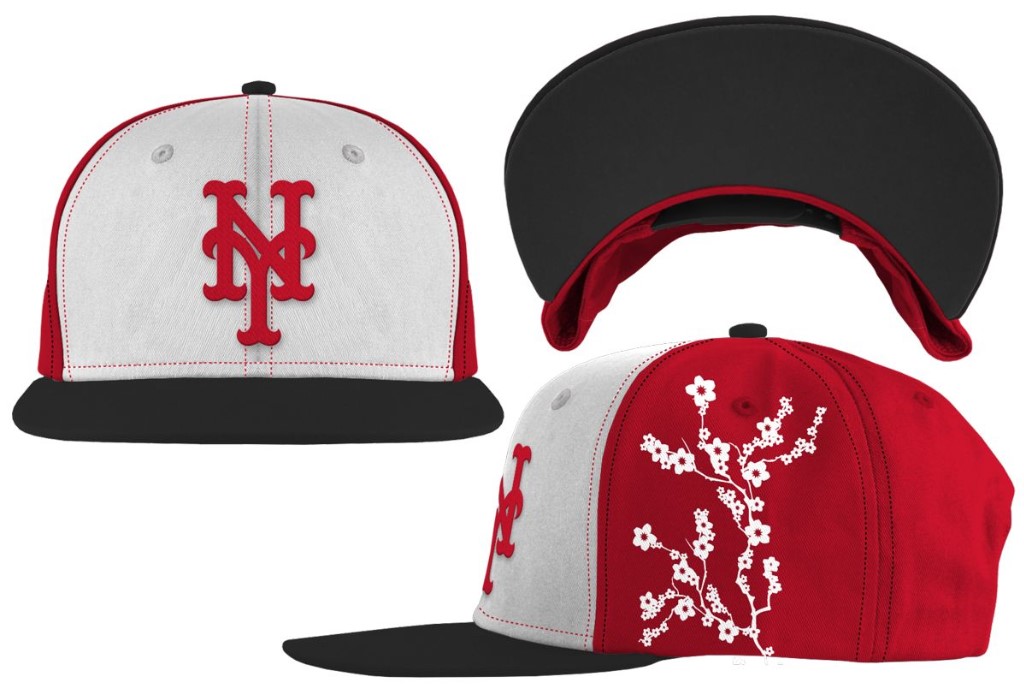
3枚目の写真は、メッツスタジアムで2023年8月25日に行われるジャパニーズ・ヘリテージ・ナイトで配布される野球帽の広告。試合はロサンゼルス・エンゼルス戦で、2023年ワールド・ベースボール・クラシックで日本のナショナル・ベースボール・チームを勝利に導いた大谷翔平が登場予定。このイベントは野球を通じた米日間の国際交流150周年を祝うもので、日本とアメリカの市民間の交流への関心と勢いを盛り上げることを目的とする。
Special Thanks
寄稿者
トマス・マーティン博士はニューヨーク州立大学サリバン・カウンティ・コミュニティ・カレッジの史学・外国語の教授。ニューヨーク州立大学学長の最優秀教授賞を受賞し、アジア系アメリカ人友好クラブのファカルティ・アドバイザーを務める。ニュヨーク・タイムズ、北海道新聞、スヴェンスカ・ダーグブラーデットに寄稿し、サンフランシスコ、エバンストン、ポートランドで開催されたアジア系アメリカ人研究会にて日系アメリカ人史の論文を発表している
協力者
ケリー・ヨ・ナカガワ、NPO二世ベースボール・リサーチ・プロジェクト(NBRP)の理事
ビル・ステープルズ、野球史家・作家
協賛団体
二世ベースボール・リサーチ・プロジェクト(NBRP)
参考文献リスト
Baba, Scott. “LENN SAKATA RETURNS TO HIS FIRST LOVE.” The Hawaii Herald, 18 June 2021, https://www.thehawaiiherald.com/2021/06/18/sports-lenn-sakata-returns-to-his-first-love/. Accessed 5 Dec. 2022.
Balsden, Cheryl. Seabrook Farms. Charleston, Arcadia, 2007.
“BUSHWICKS TO OPEN BALL SEASON AGAINST LANCASTER RED ROSES.” The Nassau Daily Review,
12 May 1931, p. 12. NYS Historic Newspapers,
https://nyshistoricnewspapers.org/lccn/sn95071428/1931-03-12/ed-1/seq-12/. Accessed 24 Sept. 2022.
“CHINESE TO CLASH WITH CYPRESS HILLS TO-MORROW.” The Daily Standard Union: Brooklyn, 10 July 1915, p. 6. Brooklyn Newsstand, https://bklyn.newspapers.com/image/543818951/?terms=baseball&match=1. Accessed 3 Oct. 2022.
“CHINESE NINE WINS.” The Brooklyn Daily Eagle, 01 September 1915, p. 19. Brooklyn Newsstand, https://bklyn.newspapers.com/image/54241833. Accessed 3 Oct. 2022.
Costello, Rory. “Mike Lum.” Society for American Baseball Research, SABR, 4 Jan. 2012, https://sabr.org/bioproj/person/mike-lum/.
Costello, Rory. “Ryan Kurosaki.” Society for American Baseball Research, SABR, 9 Apr. 2020, https://sabr.org/bioproj/person/ryan-kurosaki/.
Costello, Rory. “Lenn Sakata.” Society for American Baseball Research, SABR, 4 Jan. 2012, https://sabr.org/bioproj/person/lenn-sakata/.
Crowell, Paul. “MAYOR PROTESTS JAPANESE IN EAST: HE OPPOSES SHIFTING OF FORMER PACIFIC COAST RESIDENTS – SEES MILITARY PERIL HERE.” New York Times, 27 Apr. 1944, p. 1. ProQuest Historical Newspapers, Accessed 3 Jan. 2023.
Fitts, Robert K. Banzai Babe Ruth Baseball, Espionage, & Assassination during the 1934 Tour of Japan. University of Nebraska Press, 2012.
Fitts, Robert K. Issei Baseball: The Story of the First Japanese American Ballplayers. University of Nebraska Press, 2020.
Fitts, Robert K. Mashi: The Unfulfilled Baseball Dreams of Masanori Murakami, the First Japanese Major Leaguer. UNIV OF NEBRASKA Press, 2020.
Fitts, Robert K. Wally Yonamine: The Man Who Changed Japanese Baseball. University of Nebraska Press, 2012.
“Former Dodger, Royal Nomo Retires from Baseball.” ESPN.com, ESPN, 18 July 2008, https://www.espn.com.sg/mlb/news/story?id=3494534.
Franks, Joel S. From Honolulu to Brooklyn: Running the American Empire’s Base Paths with Buck Lai and the Travelers from Hawai’i. Rutgers University Press, 2022.
Gustkey, Earl. “WARMING UP TO WALLY : Yonamine, First American to Play in Japan, Was Not an Instant Hit.” Los Angeles Times, 18 June 1989, WARMING UP TO WALLY : Yonamine, First American to Play in Japan, Was Not an Instant Hit. Accessed 3 Oct. 5, 2022.
Guthrie-Shimizu, Sayuri. “For Love of the Game: Baseball in Early U.S.-Japanese Encounters and the Rise of a Transnational Sporting Fraternity.” Diplomatic History, vol. 28, no. 5, 2004, pp. 637-662. JSTOR,
https://www.jstor.org/stable/24914819. Accessed 6 November 2022.
Hayes, A. J. “A Major Minor League Accomplishment.” Asianweek, Sep, 2007, pp. 14. ProQuest, https://www.proquest.com/newspapers/major-minor-leagueaccomplishment/docview/367319137/se-2.
“Hideo Nomo Stats, Height, Weight, Position, Rookie Status & More.” Baseball, https://www.baseball-reference.com/players/n/nomohi01.shtml.
Inouye, Daniel H., and David M. Reimers. Distant Islands: The Japanese American Community in New York City, 1876-1930s. University Press of Colorado, 2019.
Kaegel, Dick. “Reds Route Cardinals, 6-0.” St. Louis Post Dispatch, 1 June 1975, p. 41. Newspapers.com, https://stltoday.newspapers.com/image/140703379. Accessed 6 Dec. 4, 2022.
Kaneko, Gemma. “Kurt Suzuki Has Advice for Asian American Kids Who Want to Make It in the Big
Leagues.” CUT4, MLB.com, 9 May 2018, https://www.mlb.com/cut4/kurt-suzuki-talks-asian-american-experience-inmlbc275219692#:~:text=Suzuki%20didn’t%20really%20have,with%20the%20Reds%20in%201956.
“Lenn Sakata Stats, Height, Weight, Position, Rookie Status & More.” Baseball Reference,https://www.baseball-reference.com/players/s/sakatle01.shtml.
Lieb, Frederick G. “Baseball – The Nation’s Melting Pot.” Baseball Magazine, Aug. 1923, p. 393.
Lieser, Ethen. “Sakata: A Life in the State of Baseball.” Asianweek, 9 Aug. 2001, p. 20. Asianweek Database Project, https://database.asianweek.com/paperPage?date=2001-08-09&page=20&showPage=1. Accessed 7 Dec. 2002.
“M’GRAW’S MIND.” SPORTING LIFE, 25 Feb. 1905, p. 8. LA84 Foundation,
https://digital.la84.org/digital/collection/p17103coll17/id/37818/rec/8. Accessed 4 Oct. 2022.
Murray, Feg. “Feg Murray Says.” The Ogdensburg Republican-Journal, 24 Feb. 1928, p. 6. NYS Historic
Newspapers, https://nyshistoricnewspapers.org/lccn/sn84024315/1928-02-24/ed-1/seq-6/. Accessed 5 Dec. 2022.
Nakagawa, Kerry Yo. Japanese American Baseball in California: A History. The History Press, 2014.
Nakagawa, Kerry Yo. Through a Diamond, 100 Years of Japanese American Baseball. Rudi Pub., 2001.
“Nisei Ballplayers, Attention!” Rohwer Outpost, 24 July 1943, p. 8. Densho Digital Repository, https://ddr.densho.org/ddr-densho-143-82/. Accessed 1 Dec. 2022.
Otake, Gary T. “Japanese American Baseball History Project – National Japanese American Historical Society.” NJAHS, 30 Sept. 2015, https://www.njahs.org/japanese-american-baseball-history-project/.
Regalado, Samuel O. Nikkei Baseball Japanese American Players from Immigration and Internment to the Major Leagues. University of Illinois Press, 2013.
Russo, Neal. “Cards Tossed For A 10-1 Loss.” St. Louis Post Dispatch, 15 May 1975, p. 19.Newspapers.com, https://stltoday.newspapers.com/image/140709303. Accessed 6 Dec. 4, 2022.
Russo, Neal. “What’s in a Name? Good Pitching.” St. Louis Post Dispatch, 13 June 1975, p. 29. Newspapers.com, https://stltoday.newspapers.com/image/140701423. Accessed 6 Dec. 4, 2022.
“Sadaharu Oh Japanese Leagues Statistics.” Baseball, https://www.baseball-
reference.com/register/player.fcgi?id=oh—-000sad.
“SAFE AND SANE THE NATION OVER: THE FOURTH MARKED BY STILL FEWER…” New York Times, 5
Jul. 1911, p. 4. ProQuest Historial Newspapers, Accessed 4 Jan. 2023
Smith, C. R. “OPENING GAME HERE TOMORROW.” The East Hampton Star, 25 May 1928, p. 1. NYS
Historic Newspapers, https://nyshistoricnewspapers.org/lccn/sn83030960/1928-05-25/ed-1/seq-1/.
Accessed 1 Aug. 2022.
“SOFTBALL GAMES OPEN THIS SUNDAY.” The Nisei Weekender, 30 May 1946, p. 1. Densho,
https://ddr.densho.org/media/ddr-densho-358/ddr-densho-358-6-mezzanine-328b02ba6e.pdf.
Staples, Bil. Kenichi Zenimura, Japanese American Baseball Pioneer. McFarland & Co., 2011.
“Tatsuno Will Play in Japan.” The Honolulu Star-Bulletin, 5 July 1979, p. 53.
https://www.newspapers.com/image/272007586
Varner, Natasha. “Baseball in American Concentration Camps: History, Photos, and Reading
Recommendations.” Densho, 5 Apr. 2016, https://densho.org/catalyst/baseball-world-war-ii-concentration-camps-photo-essay-brief-history/.
Whiting, Robert. You Gotta Have Wa. Vintage Books, 2009.