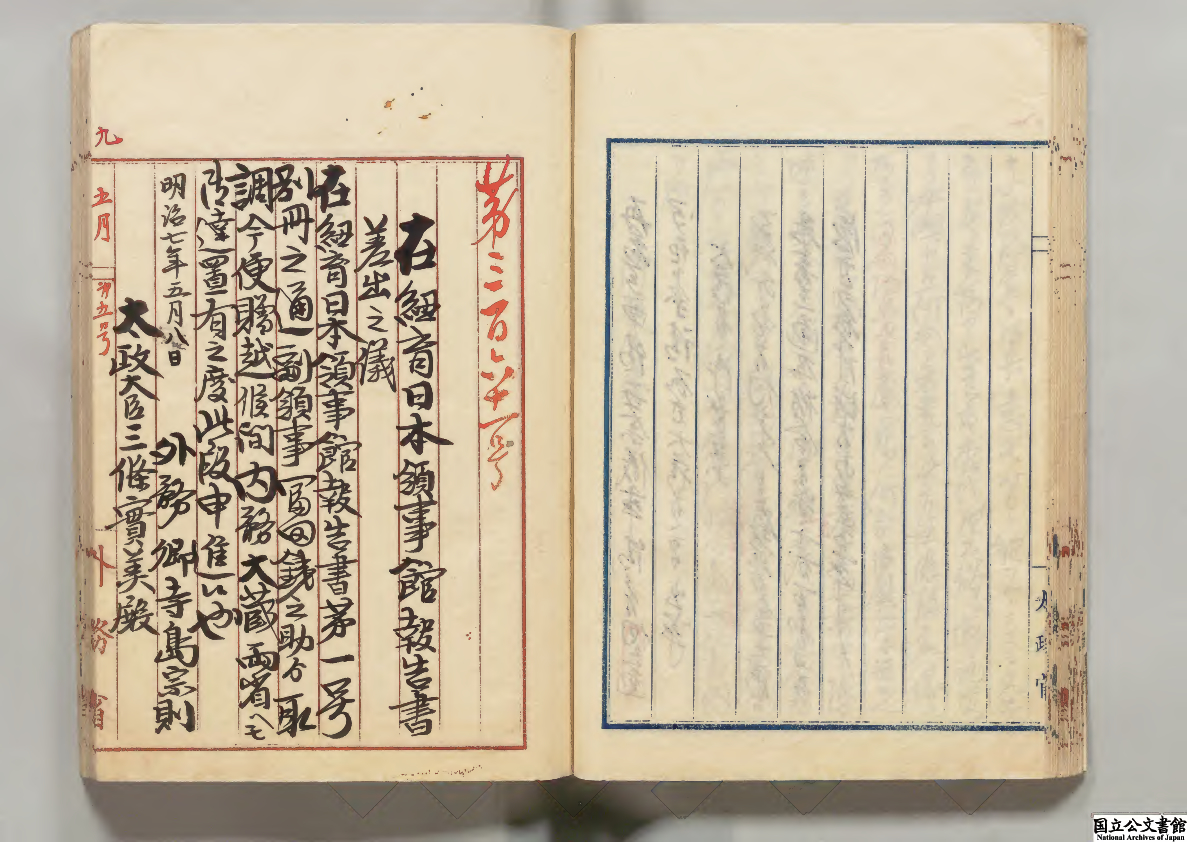
Japan established its first official consular presence in New York during the early years of the Meiji period. On March 2, 1872, according to the Japanese-language record, the government appointed Tetsunosuke Tomita as ryōji kokoroe, or provisional consul. The Consulate’s English-language account gives the date as March 3 and describes his position as “Consul-to-be.” This appointment marked the establishment of the Japanese Consulate in New York, one of Japan’s earliest diplomatic and consular offices in the United States.
Tomita was especially well suited to the position. A former samurai of the Sendai domain, he had arrived in the United States in 1867 and studied economics and commerce at the Newark School of Commerce in New Jersey. Although his school was located across the Hudson River, his education and professional experience were closely connected to New York’s rapidly expanding world of banking, shipping, international commerce, and finance. His familiarity with American society enabled him to assist the new Meiji government as it developed its diplomatic and commercial relationships abroad.
Tomita was formally appointed vice consul in February 1873, and the New York Consulate began operating on May 25 of that year. Its initial staff was extremely small, consisting of Tomita and one American employee. The Consulate was responsible for protecting the rights, property, commercial activities, ships, and merchandise of Japanese nationals in the United States. It also gathered information about American society and business conditions and reported its findings to the Japanese government.
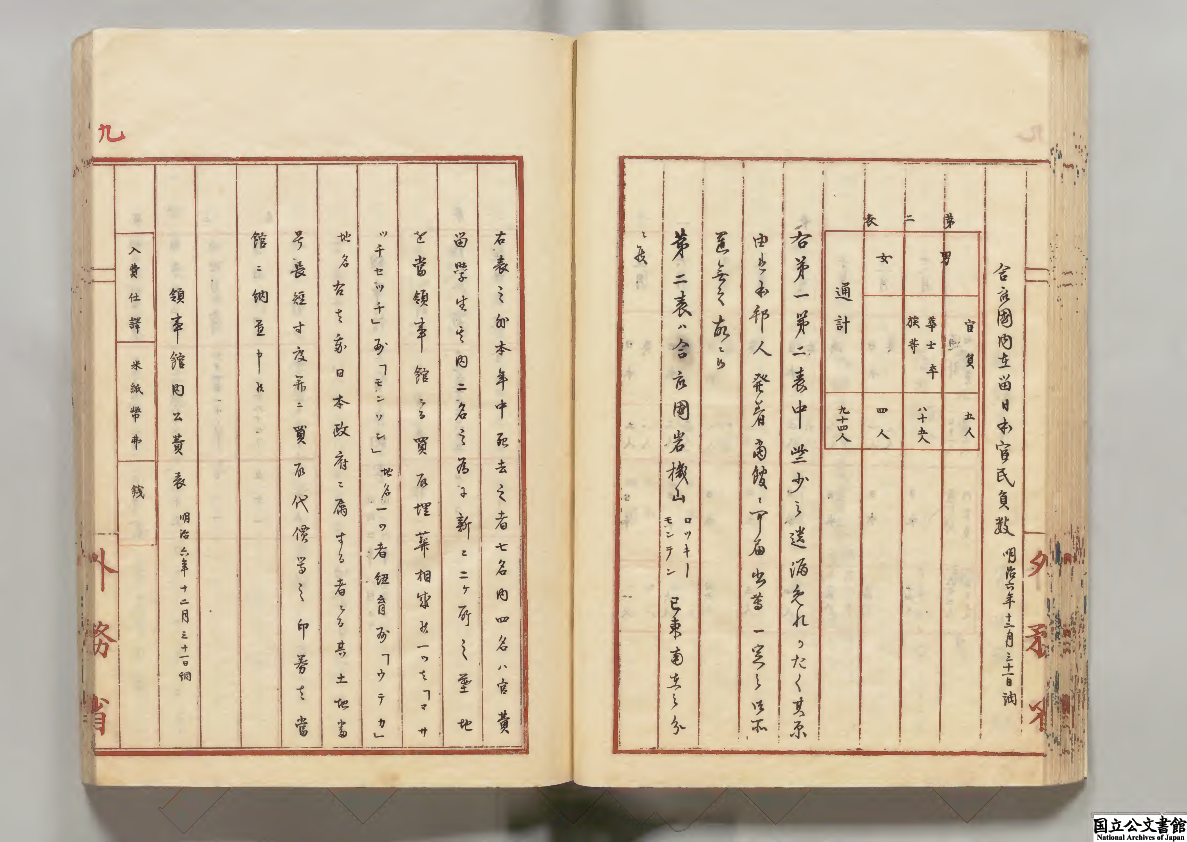
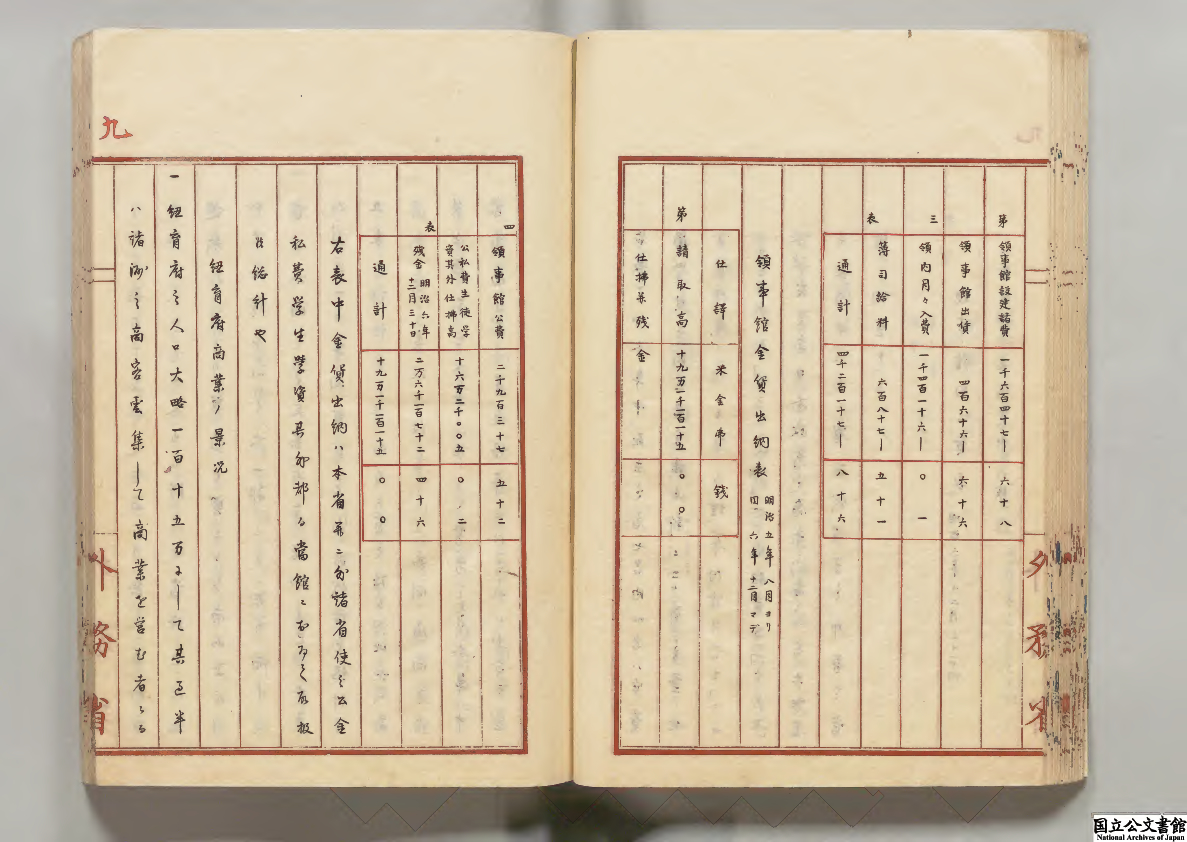
The Consulate’s first official report, submitted by Tomita on December 31, 1873, described the condition of commerce in New York and examined trade between Japan and the United States. Particular attention was paid to tea and raw silk, which were among Japan’s most important exports. The report also recorded 94 Japanese residents in New York, including government officials, students, workers, and four women. Through such reports, the Consulate helped Japan understand American markets and encouraged improvements in the production, quality, and direct export of Japanese goods.
The establishment of the Consulate reflected New York’s growing importance to modern Japan. As a major port and international center of commerce, communications, and finance, the city became an essential point of contact between Japan and the wider world. The Consulate assisted Japanese travelers, students, merchants, and residents while also supporting diplomatic, economic, and cultural exchange. Over time, it developed into today’s Consulate General of Japan in New York, continuing the work begun by Tomita in the nineteenth century.