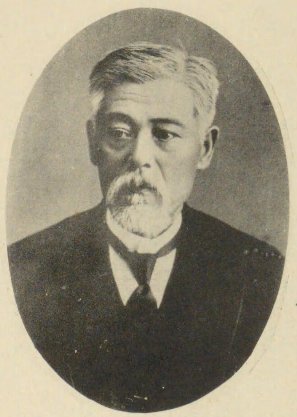
Tetsunosuke Tomita (1835–1916) was a former samurai of the Sendai domain who became a diplomat, government official, and financial leader in modern Japan. His American experience began in 1867, when he accompanied Katsu Kaishū’s son, Koroku, to the United States. Tomita studied economics and commerce at the Newark School of Commerce in Newark, New Jersey, just across the Hudson River from New York City. Although his school was in New Jersey, his education took place within the larger commercial world of the New York metropolitan area, then one of the most important centers of trade, finance, and international exchange in the United States.
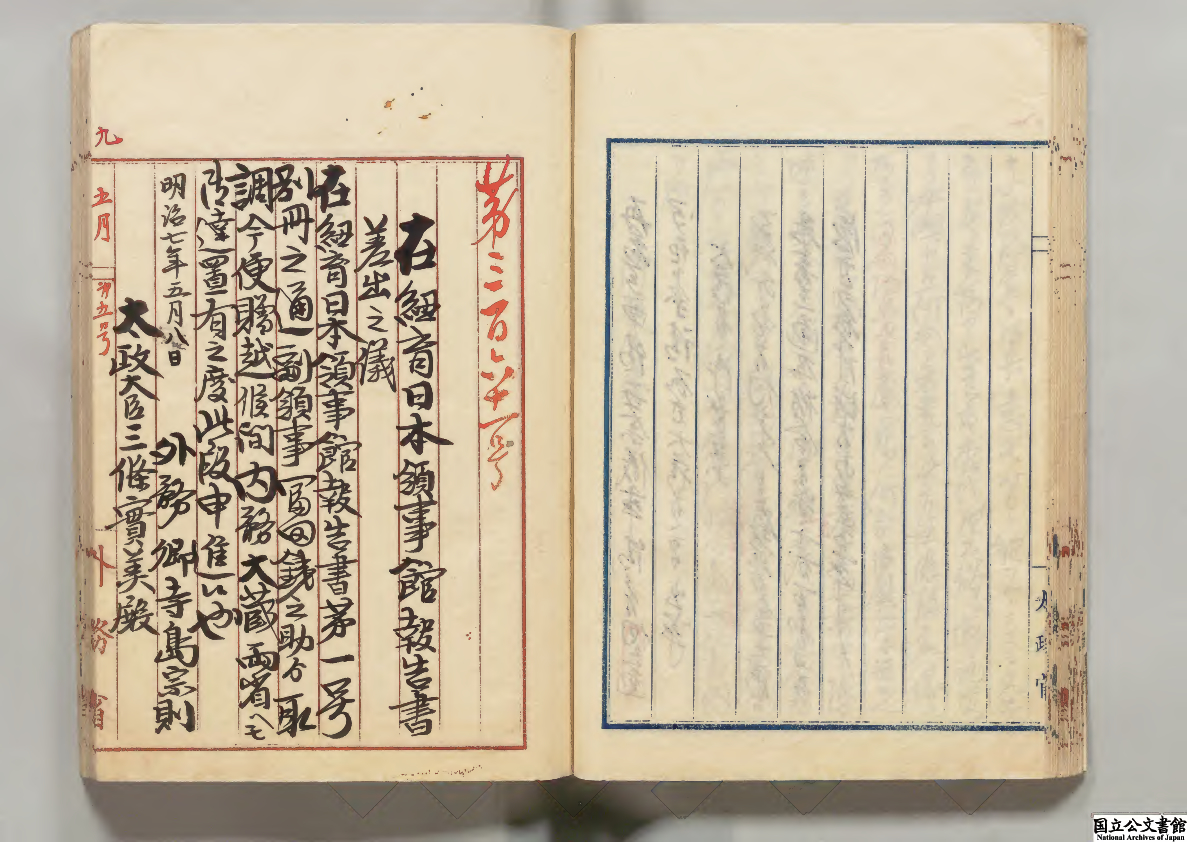
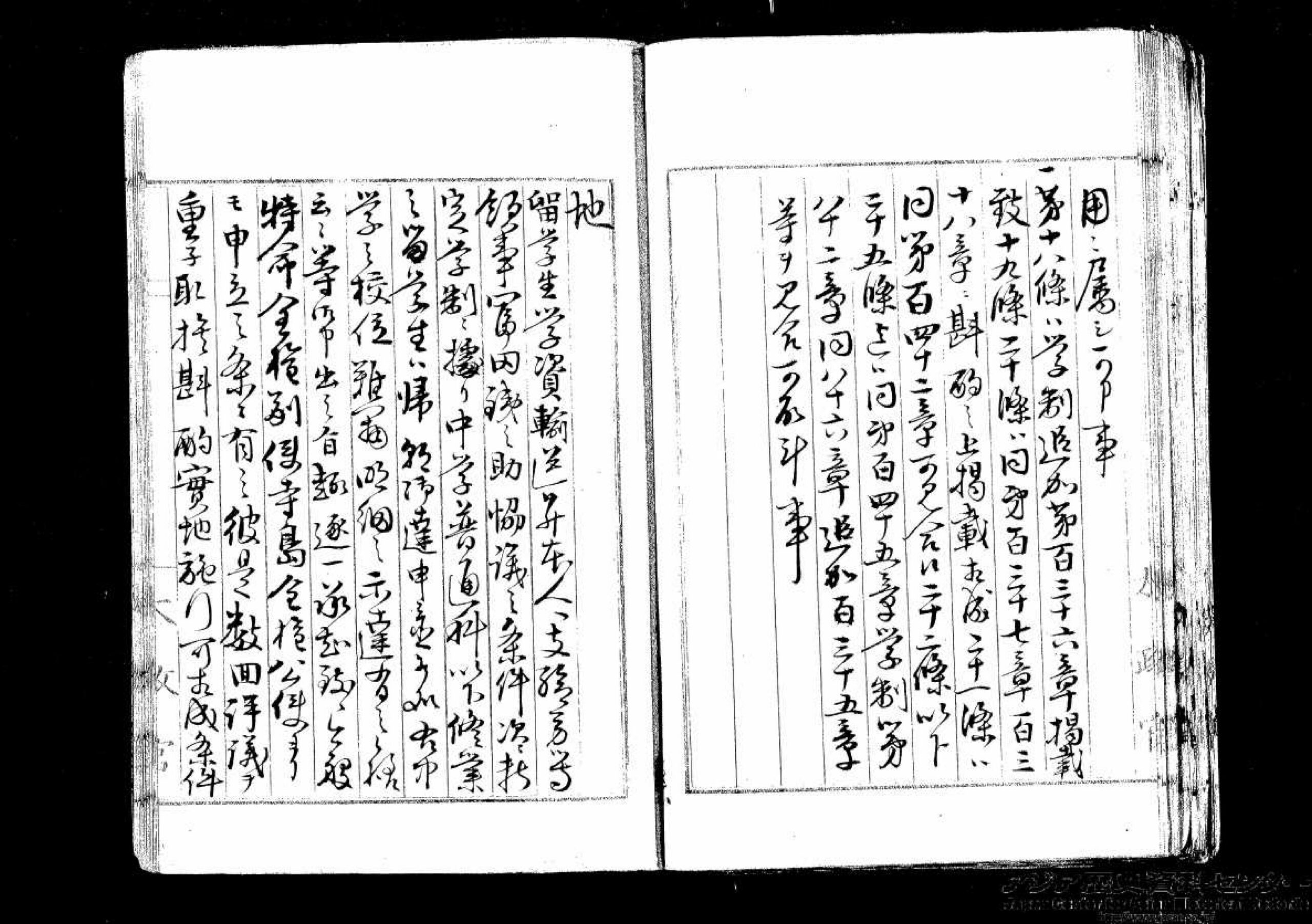
New York became the most important site of Tomita’s American experience. In 1872, the Meiji government appointed him Consul-to-be in New York, marking the establishment of Japan’s consular presence in the city. This appointment placed Tomita at the center of Japan’s early diplomatic activity in the United States. At a time when the Meiji government was seeking to understand Western political, educational, commercial, and financial systems, New York offered a crucial point of contact with American institutions and global networks.
Tomita’s work in New York also intersected with the Iwakura Mission, which visited the city in July 1872. The mission, led by major Meiji officials, was sent abroad to study Western systems and to seek revision of the unequal treaties imposed on Japan. For Tomita, who had already gained experience in American society and commerce, New York became a place where his knowledge could serve the new Meiji state. His role reflected the importance of locally experienced Japanese students and officials in supporting Japan’s early diplomacy abroad.
In New York, Tomita stood at the intersection of study, diplomacy, and economic modernization. His presence there shows how the city functioned not only as a port of arrival, but also as a site where Japanese officials observed modern commerce, banking, international law, and public institutions. Through his New York experience, Tomita became part of a generation of Japanese figures who translated knowledge gained abroad into the building of modern Japan.
After returning to Japan, Tomita continued to apply his international experience to public service. He later became the first deputy governor and then the second governor of the Bank of Japan. He also served as a member of the House of Peers and as governor of Tokyo. His career demonstrates how early Japanese encounters with New York helped shape the individuals who would contribute to Japan’s modern diplomatic, financial, and administrative institutions.