The Licensed Agencies for Relief in Asia, commonly known as LARA, was established in April 1946 as a coalition of American charitable and religious organizations coordinating humanitarian assistance to countries devastated by World War II. In Japan, where shortages of food, clothing, medicine, and other necessities remained severe, LARA began distributing relief supplies in November 1946 and continued its work through June 1952.
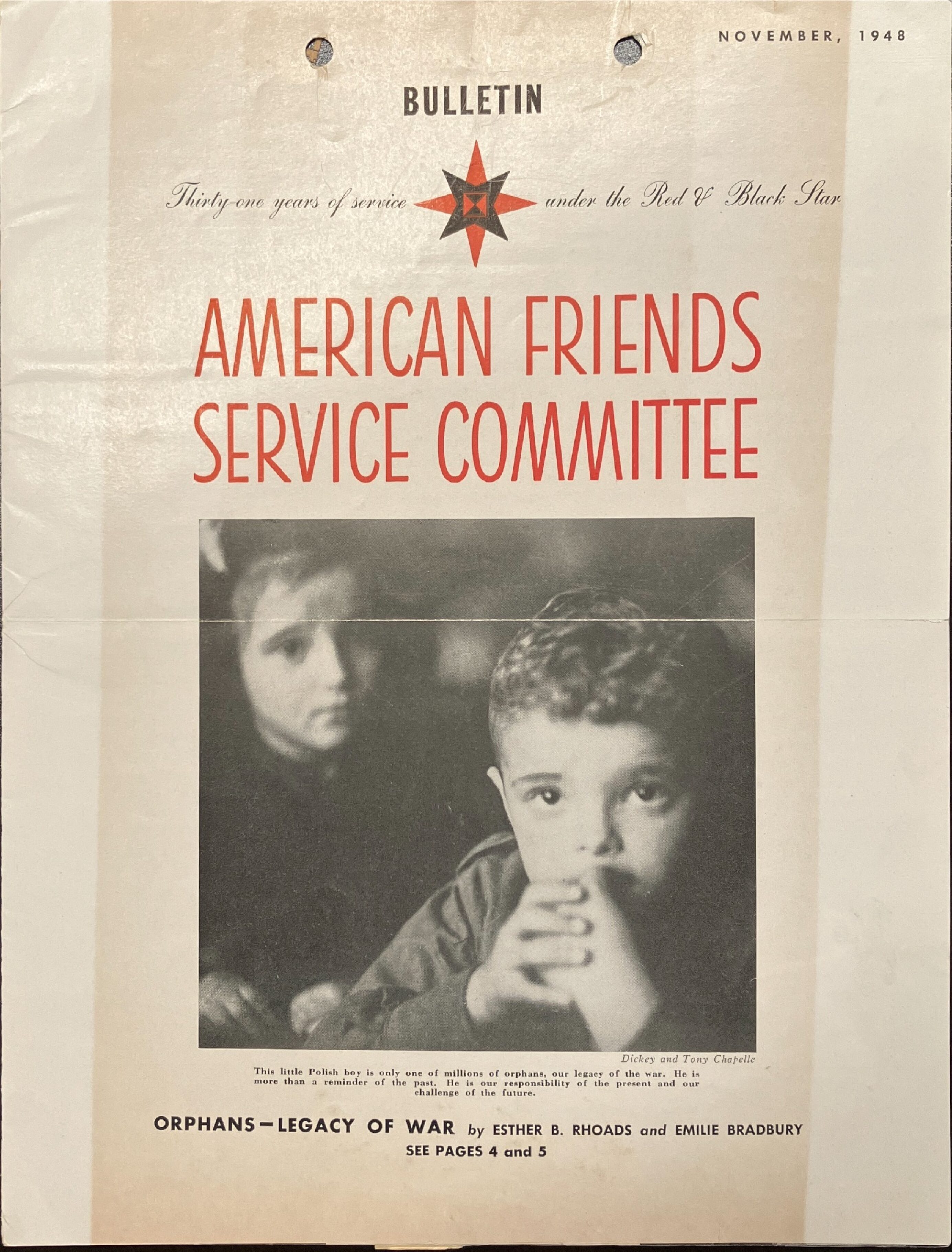
LARA brought together organizations with experience in international relief, including the American Friends Service Committee and other religious and humanitarian agencies. With the authorization of the Allied Occupation authorities, it arranged for donated goods to be transported to Japan and distributed without charge through Japanese social welfare organizations. The recipients included children, families, hospitals, schools, orphanages, and other institutions facing acute postwar hardship.

The relief effort also depended heavily on Japanese and Japanese-descended communities throughout the Americas. Approximately 20 percent of the supplies distributed by LARA in Japan were contributed by Japanese nationals and people of Japanese descent living in North and South America. The Japanese and Japanese American community of New York played an important role in this international network of assistance.
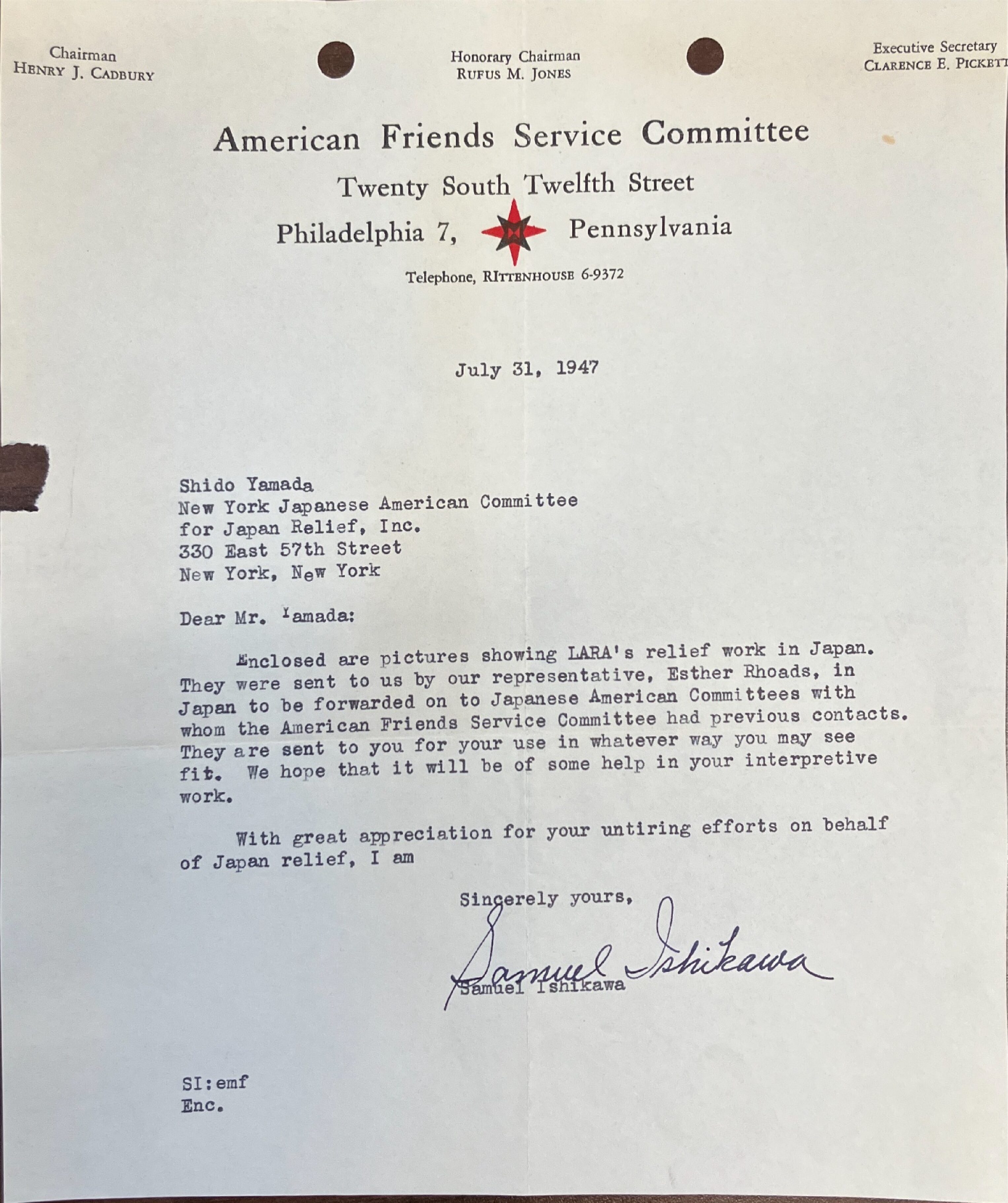
In New York, the New York Japanese American Committee for Japan Relief, Inc. organized local support for LARA’s work. Growing out of a relief-planning group formed in September 1945, the committee brought together Japanese immigrants, Japanese Americans, religious leaders, and other community members who wished to assist people suffering in Japan.
After receiving permission to participate in relief activities in 1946, the committee worked in coordination with LARA and the American Friends Service Committee in Philadelphia. It conducted fundraising campaigns, organized benefit events, issued public appeals, and collected money, food, clothing, textiles, and other essential goods for shipment to Japan. Its publications included the 1947 pamphlet Of Milk and Eggs, which appealed to the public for support by drawing attention to the urgent nutritional needs of children and families in postwar Japan.
The New York committee’s work was especially significant because it began at a time when many first-generation Japanese immigrants in the United States were still classified as enemy nationals. Despite discrimination, wartime restrictions, and the disruption of community life, its members organized a sustained humanitarian response and rebuilt connections across the Pacific.
The materials preserved in this collection document the relationship between LARA, the New York Japanese American Committee for Japan Relief, and the people and institutions that received assistance in Japan. They include meeting minutes, fundraising publications, donation correspondence, photographs, shipping and distribution records, and letters of appreciation from recipients.
Together, these records reveal that LARA relief was not only a large institutional campaign. It was also a deeply personal, community-supported effort. Donations gathered in New York became food, clothing, medicine, and other necessities for people in Japan, while the letters sent in return preserved expressions of gratitude and renewed human connection after years of war and separation.