
Seisho Hamachi (1885-1947)
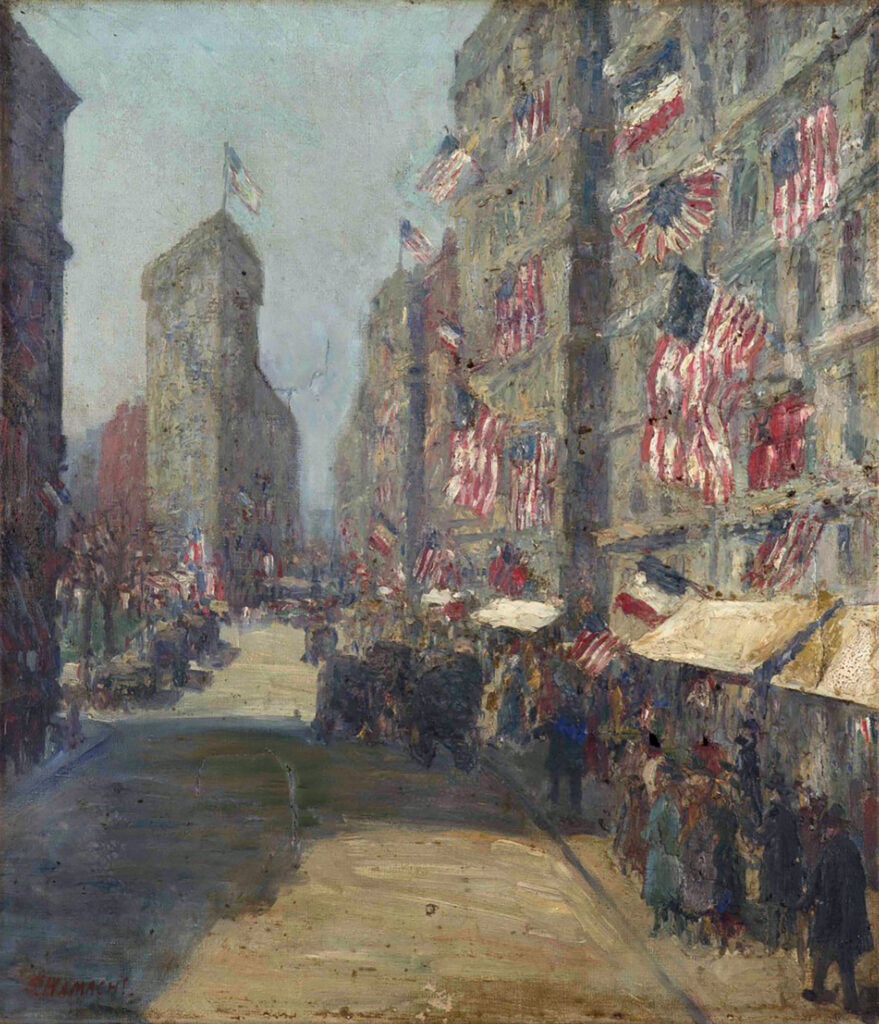
Shimotori Yukihiko (1884–1982)
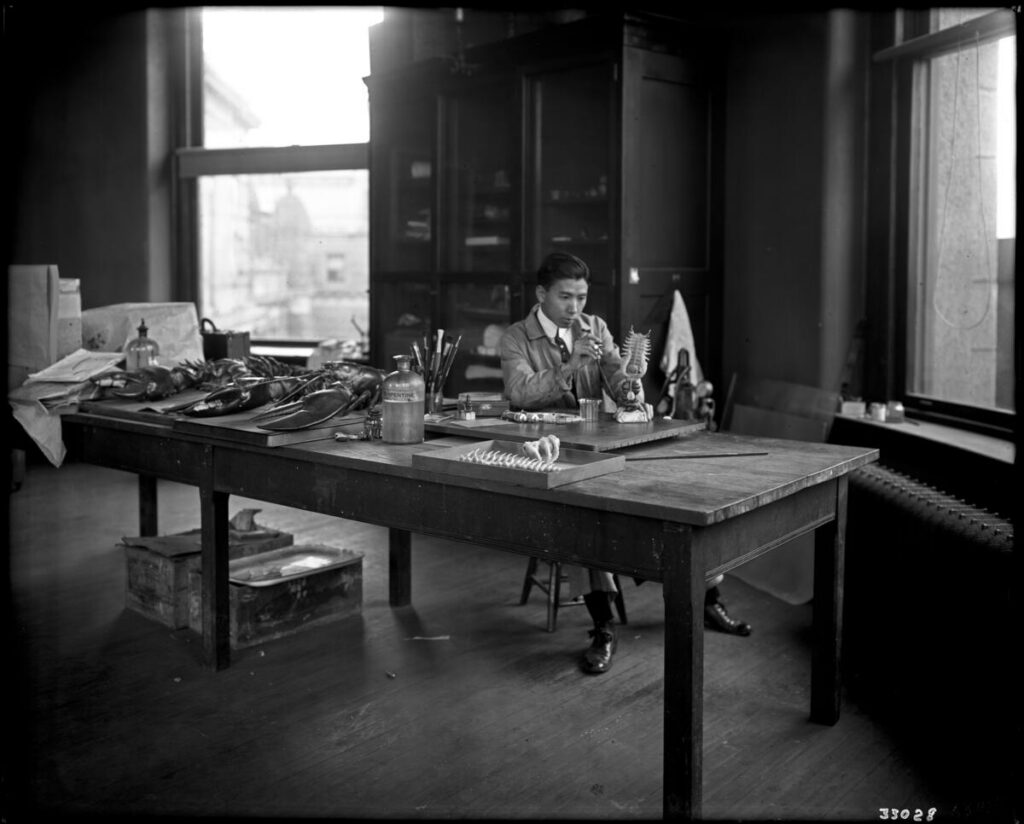
Noboru Fujioka (1896-?)
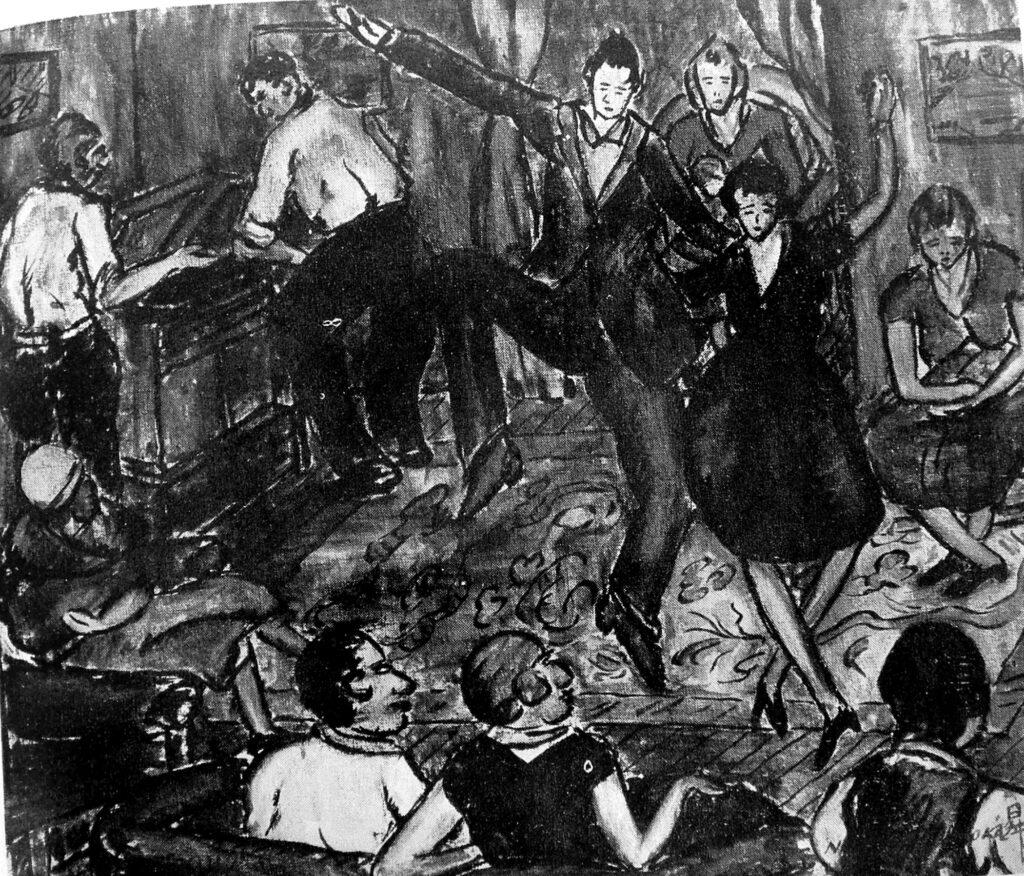
Kiyoshi Shimizu (1900-1969)
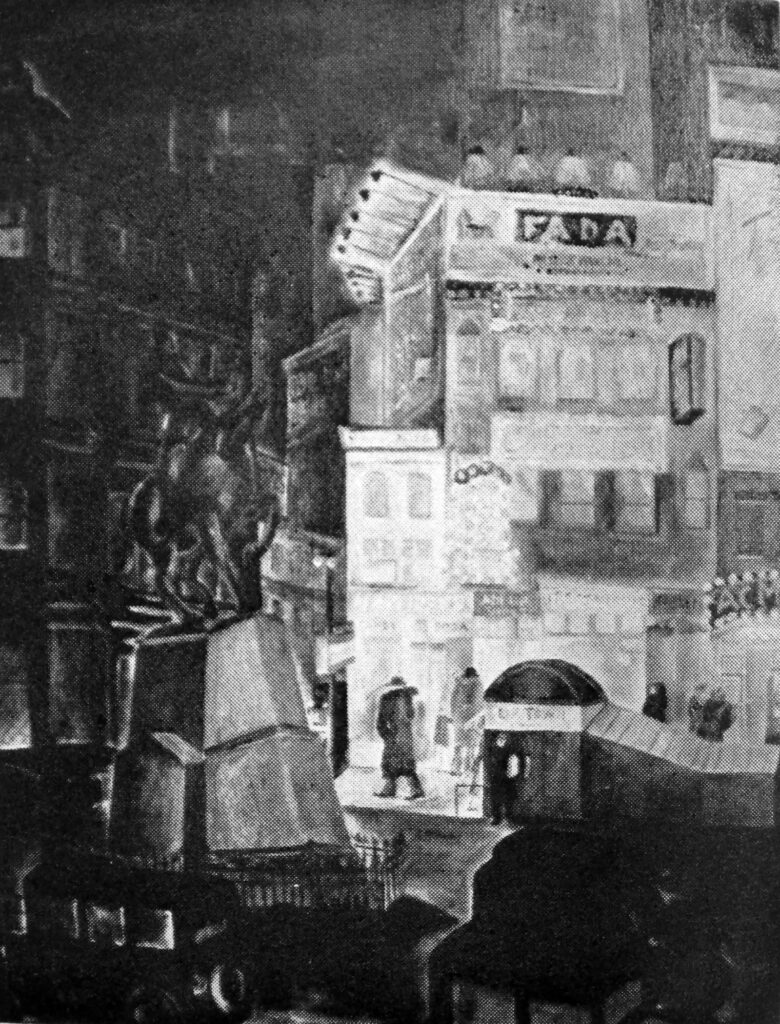
Toshi Shimizu (1887-1945)
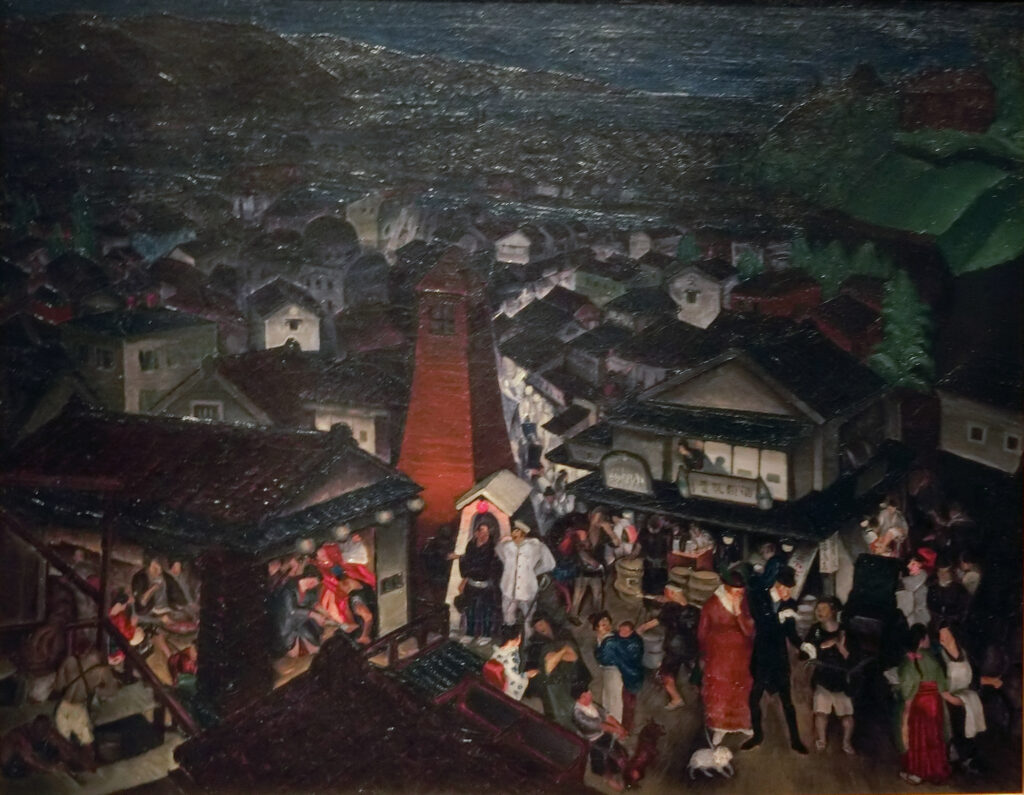
Torajiro Watanabe (1880-?)
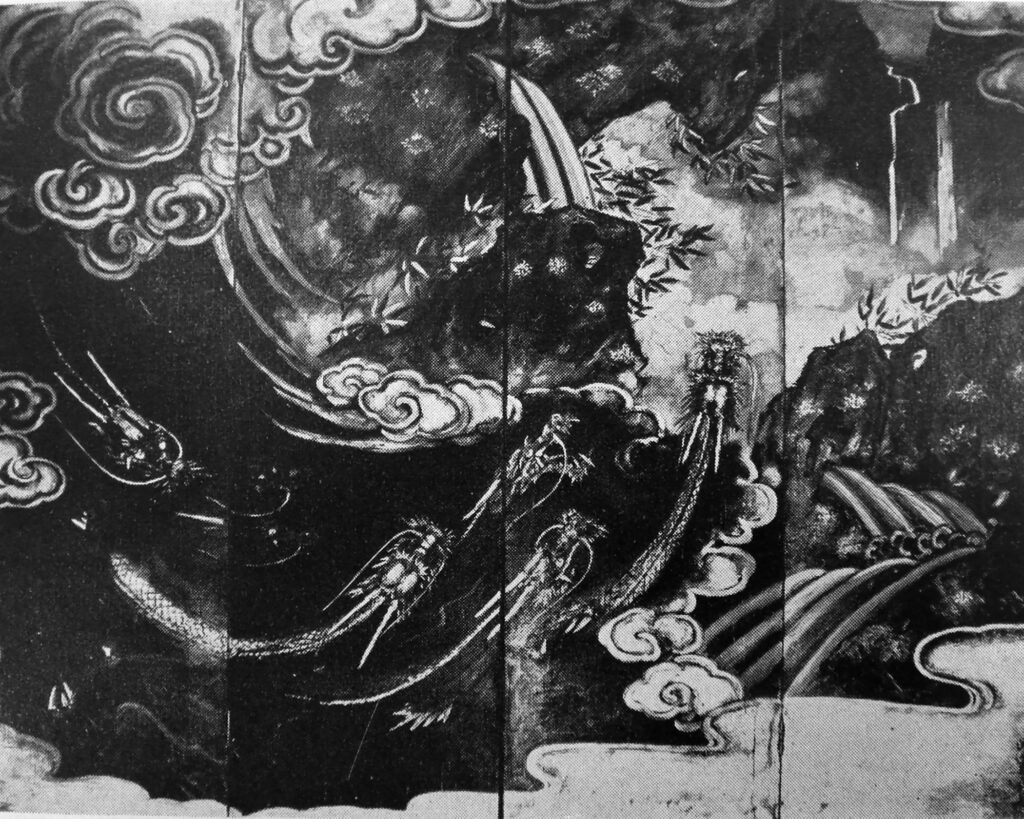
Chuzo Tamotzu (1888-1975)
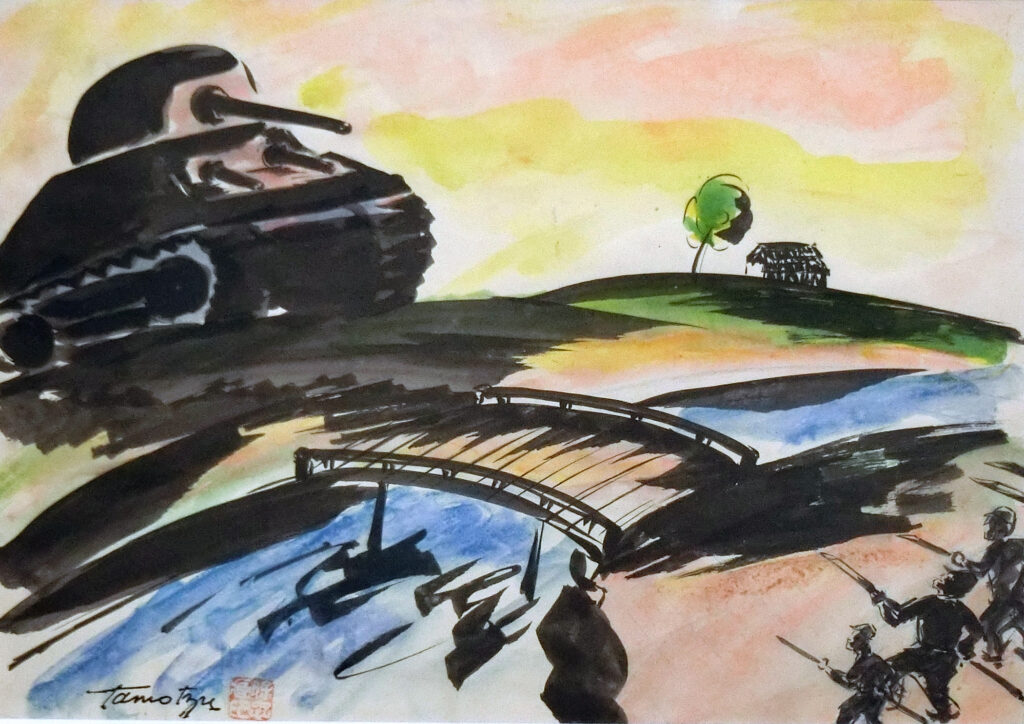
Born in Kagoshima Prefecture, Tamotzu Chuzo moved to Tokyo after graduating high school to study art with a private tutor while also studying politics and economics at Senshu University.
In 1914 he left Japan on a cargo ship and traveled around Asia and Europe before arriving in New York in 1920.
Tamotzu studied at the Art Students League and exhibited at a number of art societies from 1924-1940.
After the war started, he issued a statement of allegiance to the United States in the Committee of the Japanese Artists Resident in New York City. He was sent to Southeast Asia as a military painter for the Office of Strategic Services (OSS) during the war. After the war, he moved to Santa Fe, where he died in 1975.
Gozo Kawamura (1884-1950)
Bumpei Usui (1898-1994)
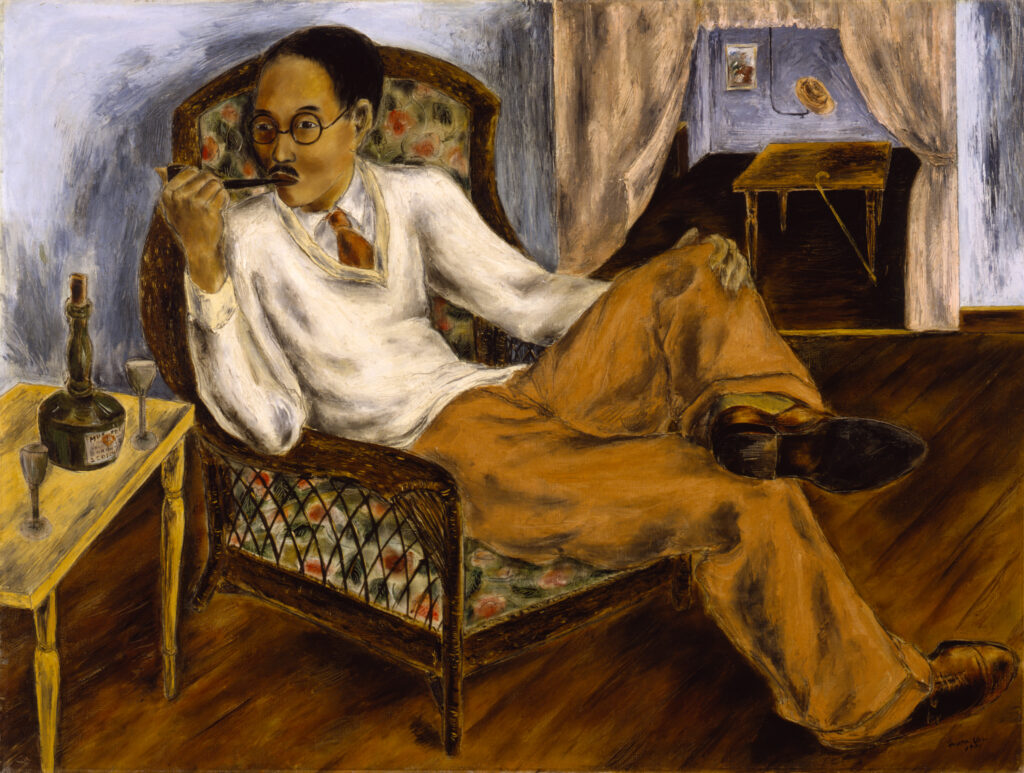
Sakari Suzuki (1899-1995)
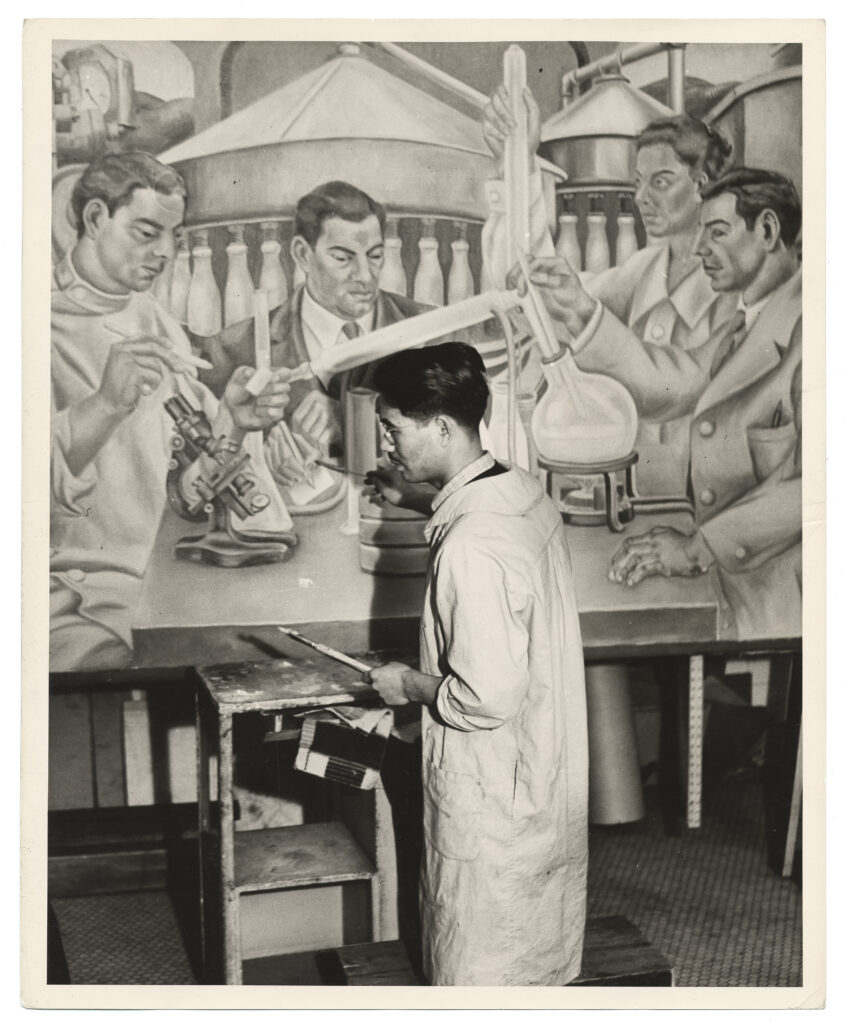
Suzuki Sakari was born in Iwate Prefecture and studied at the San Fancisco Art Institute in the 1920s. He moved to New York City around 1930 and studied in the Art Students League.
He died in Chicago in 1995.