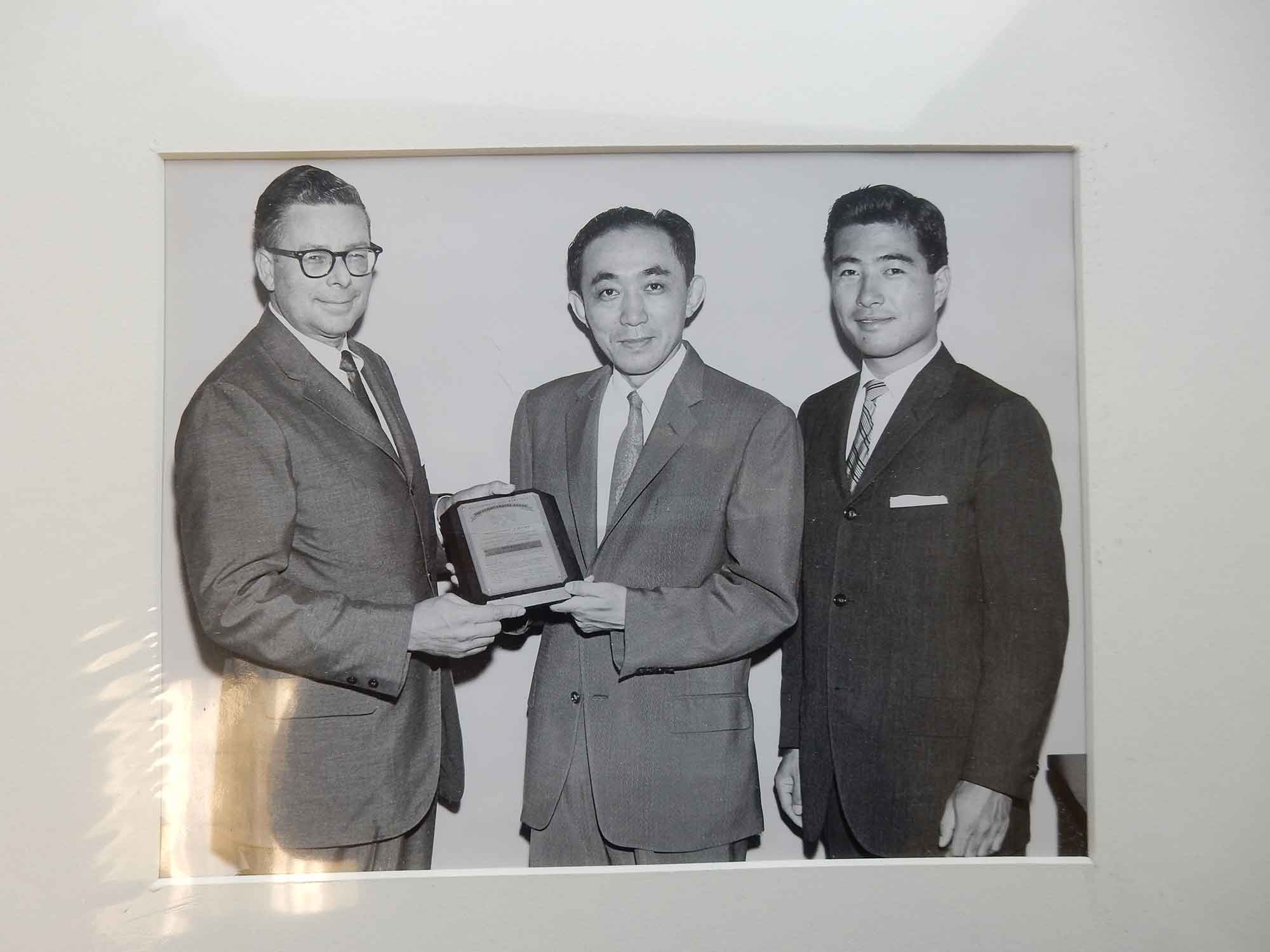
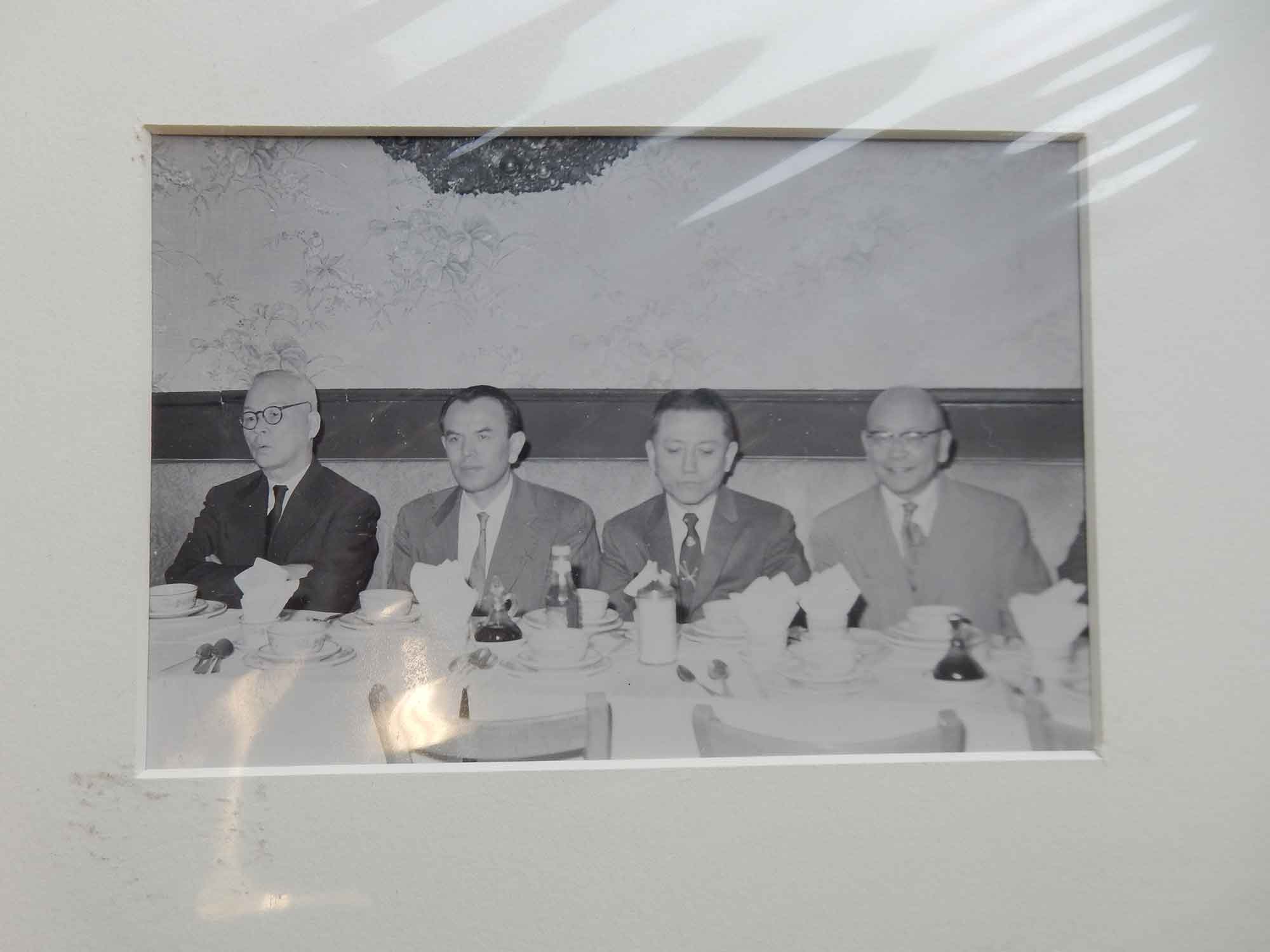
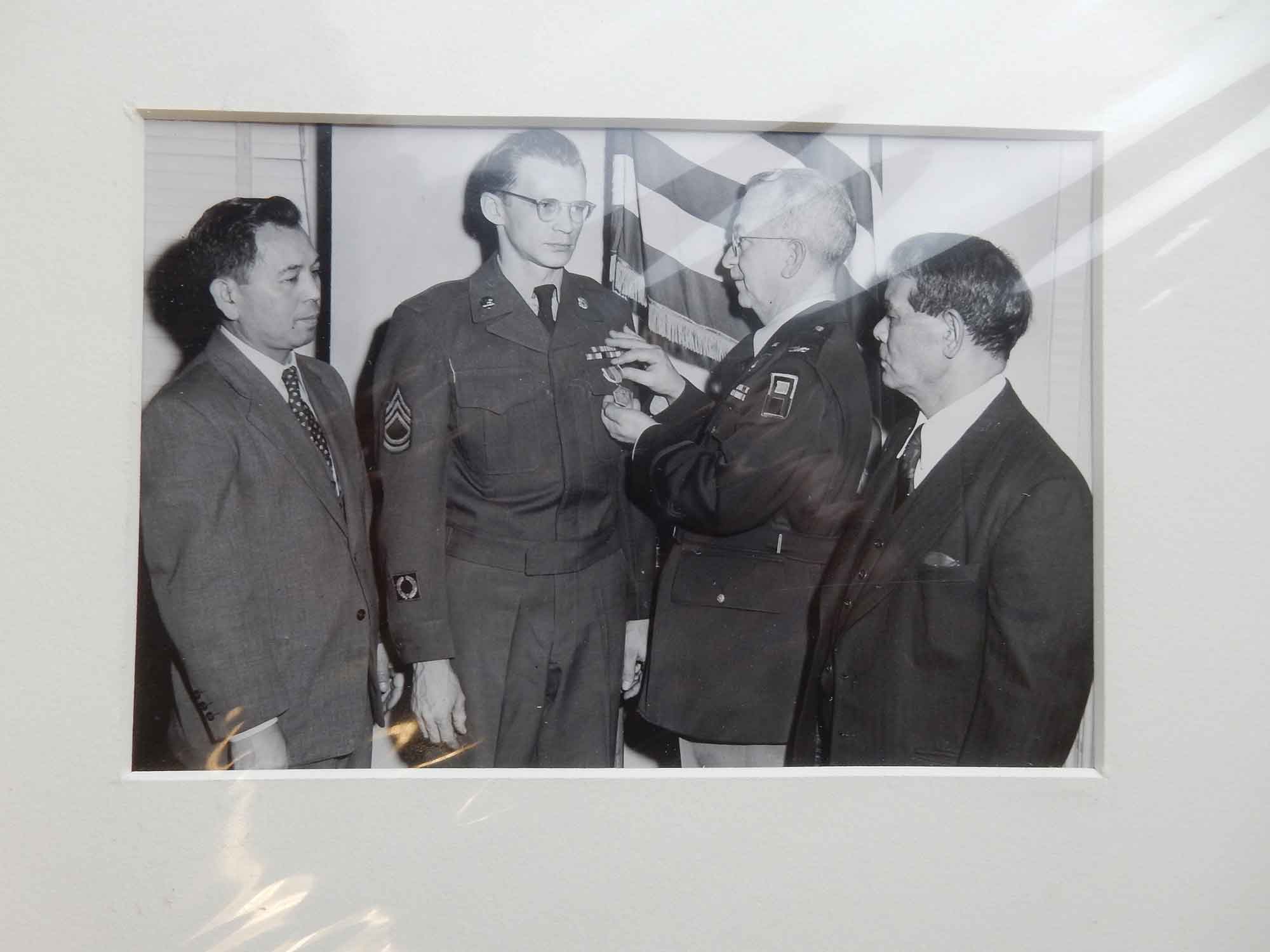
The New York Chapter of the Japanese American Citizens League (JACL) was established in 1944, with Al Funabashi serving as its first chapter president. The national JACL had been founded on the West Coast in 1929–30 to advocate for the rights and citizenship of Japanese Americans at a time of widespread anti-Japanese discrimination. Its early programs emphasized American citizenship, civic participation, and loyalty. During World War II, however, the national organization adopted a controversial policy of cooperation with the federal government during the forced removal and incarceration of Japanese Americans. JACL also became involved in efforts to assist Japanese Americans leaving the incarceration camps and resettling outside the West Coast. A JACL regional office opened in New York in 1943, followed by the establishment of the New York Chapter the following year.
The organization developed against a longer history of laws that restricted the rights of Japanese immigrants. California’s Alien Land Law of 1913 prohibited “aliens ineligible for citizenship,” a category that included Japanese immigrants, from owning agricultural land and imposed restrictions on leasing it. Similar laws were subsequently enacted in other western states. The Immigration Act of 1924, also known as the Johnson-Reed Act, effectively ended immigration from Japan by excluding immigrants who were ineligible for U.S. citizenship.
The Immigration and Nationality Act of 1952, commonly known as the McCarran-Walter Act, removed racial restrictions on naturalization and established an immigration quota for Japan. For the first time, Issei immigrants who had long been excluded from naturalization on the basis of race could become U.S. citizens. In response, the New York Chapter conducted citizenship classes at the Japanese Methodist Church for Issei preparing for naturalization.
The New York Chapter also participated in civil rights and community activities. In the late 1960s, chapter members campaigned against the use of a derogatory term for Japanese and Japanese Americans that had been widely used before and during World War II. Shosuke Sasaki was active in efforts to discourage its use by the New York media. When fashion designer Kenzo Takada used the term in promoting his work, George Yuzawa and other community members protested its use. In another campaign, Suki Terada Ports joined JACL members, other Japanese Americans, and supporters in a multigenerational picket outside Bonwit Teller to protest the use of the same term in the name of a boutique; the sign was subsequently removed.
In later decades, the New York Chapter supported the national JACL campaign for redress and reparations for Japanese Americans incarcerated during World War II, including activities associated with the Commission on Wartime Relocation and Internment of Civilians hearings. The chapter also supported local community organizations and educational and cultural programs.
Among its local initiatives were scholarships for high school graduates, including the Lucille Nakamura Scholarship Award, which recognized students for service to others. The chapter also presented the Ruby Yoshino Schaar Playwright Award to Japanese American writers in memory of Ruby Yoshino Schaar, a soprano, music teacher, longtime chapter president, and civil rights advocate who worked across racial and ethnic communities in New York.
References
Densho Encyclopedia, “Japanese American Citizens League.”
Densho Encyclopedia, “Resettlement in New York.”
Densho Encyclopedia, “Immigration Act of 1924.”
Densho Encyclopedia, “Immigration and Nationality Act of 1952.”
Japanese American Association of New York, History of the Japanese and Japanese Americans in New York, 1900–2001